Medically reviewed by Dr. Prem Ratan Degawat, MD, DM (Cardiology)
Senior Interventional Cardiologist · Director, Mitral & Tricuspid Valve Therapy · Associate Director, TAVR & Structural Heart Disease Program, Eternal Hospital, Jaipur
Last updated on Aug 12, 2026 · View LinkedIn profile
Almost every family that comes to us for TAVI in Jaipur asks the same thing first. Not “will it work”. They ask how many days they will be in hospital. The short answer is three to four days for a case that runs as planned, and the valve itself takes about an hour of that. Everything else is checking, watching and getting you back on your feet. Below is what those days actually look like at Eternal Hospital in Jagatpura, Jaipur, Rajasthan, in the order they happen.
If you are still deciding whether TAVI is the right operation for you at all, start with our guide on who qualifies for TAVI and who does not. This page assumes that decision has been made and answers the next question: what am I walking into.
How long does a TAVI hospital stay in Jaipur actually take?
| Stage | When | Where you are |
|---|---|---|
| Workup tests | 7 to 10 days before | Outpatient, mostly day visits |
| Admission and consent | The day before | Ward bed |
| The procedure | About 60 to 120 minutes | Cath lab |
| Close monitoring | That evening and night | Monitored bed, not usually full ICU |
| Standing and walking | The next morning | Ward |
| Echo and final checks | The following day | Ward |
| Discharge | Usually 1 to 2 days after the valve | Home |
That three to four day figure is not a local claim. In the PARTNER 3 trial, published in the New England Journal of Medicine in 2019, the median hospital stay was three days after TAVI compared with seven days after open surgery. Our Jaipur numbers sit in the same band, and that gap is the entire practical argument for the transcatheter route. If you want the fuller comparison, we have written it up in TAVI versus open heart surgery.
The week before admission, and the tests that decide everything
Nothing about the admission is decided on the day. It is decided in the workup, roughly seven to ten days earlier, and most of it is done as outpatient visits so you sleep at home.
The one test that matters more than the rest is the CT angiogram. It measures the aortic valve annulus to the millimetre, maps the calcium, and shows whether the femoral arteries in your groin are wide enough and clean enough to pass the valve through. That single scan decides which valve size you get and which route we take. If the groin arteries are too narrow or too calcified, we plan a different access point before you are ever admitted, not on the table.
Alongside it you will have an echocardiogram to grade the stenosis and check the other valves, a coronary angiography to see whether any blockage needs treating first, an ECG, a chest X-ray and a blood panel. We have set all of these out in detail on our page about the tests done before heart valve treatment in Jaipur.
One item surprises people every time: the dental check. The 2020 ACC/AHA valve guideline advises a dental evaluation before valve intervention, because bacteria from an infected tooth can settle on a new valve. I have postponed cases over an untreated abscess and I would do it again. A week’s delay is cheaper than valve endocarditis.
The day before, when you are admitted
You come in the afternoon before. A bed is allotted, the blood work is repeated or reviewed, and the anaesthesia team sees you. That conversation is worth paying attention to, because most TAVI cases here are done under local anaesthesia with sedation rather than general anaesthesia. You will be drowsy and comfortable but not fully unconscious, and you will hear us talking.
Consent happens the same evening. I go through it myself with the patient and at least one family member in the room. We cover what the valve is, the chance of needing a permanent pacemaker afterwards, the risk of bleeding at the groin, and the small stroke risk. I would rather have that conversation twice than have a family hear the word “pacemaker” for the first time on day two.
The groin is cleaned and shaved. You stop eating and drinking from midnight. Your regular medicines get sorted into what continues and what pauses, and blood thinners are the ones that usually change, so bring the actual strips rather than a list written from memory.
Procedure day, hour by hour
You go to the cath lab in the morning, usually first or second on the list. From there the sequence is fixed.
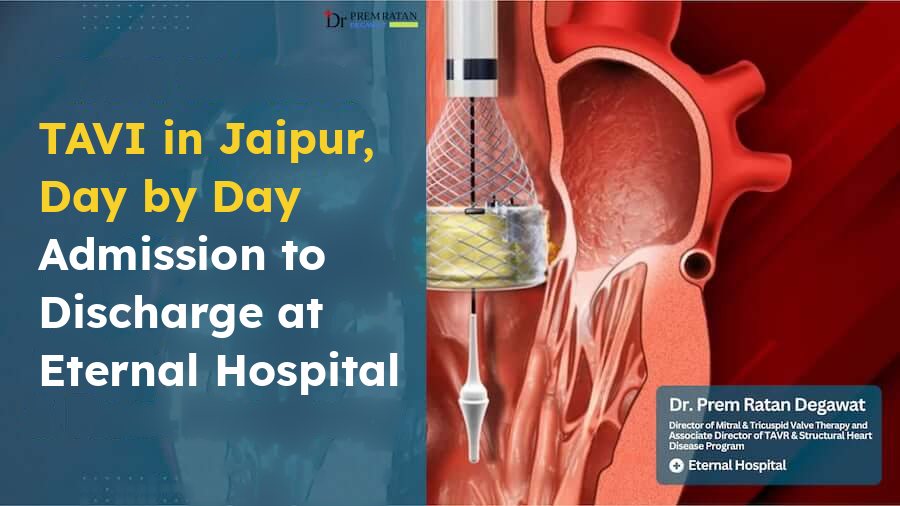
A local anaesthetic goes into the groin. A thin sheath is passed into the femoral artery, and a wire is threaded up to the heart under X-ray guidance. In most cases a balloon opens the old narrowed valve first. The new valve, crimped onto a stent frame, is then delivered on a catheter, positioned inside the old one and deployed. It starts working the moment it opens. We check the position and the leak with imaging before anything comes out, then remove the catheter and seal the puncture.
No chest is opened. No bone is cut. The heart is not stopped and no bypass machine is used. Total time in the room is usually 60 to 120 minutes, and the valve part of it is a few minutes at the end of a lot of careful positioning.
What your family is doing while you are in the cath lab
This is the part nobody writes about, and it is the part families remember.
They wait outside the lab. Someone from the team comes out with an update, usually within about 90 minutes of you going in. That update tells them the valve is in and how you are doing. They will not be allowed into the lab, and phones will not reach you.
My advice to families is practical. Send only two people to wait and let the rest go home, because the corridor is long and the day is longer. Carry the file. Eat something. If the wait runs past the estimate it is far more often because the list ran late than because something went wrong.
The first night after the new valve starts working
You are moved to a monitored bed within a few hours, usually a step-down or high-dependency bed rather than a full intensive care unit. That surprises families who were braced for ICU.
The single thing we watch hardest overnight is the heart rhythm. The new valve sits right next to the heart’s electrical conduction system, and pressure on it can slow the heartbeat enough to need a permanent pacemaker. In PARTNER 3 that happened in 6.6% of patients within 30 days. In the Evolut Low Risk trial, also published in the New England Journal of Medicine in 2019, it was 17.4%, and the difference reflects valve design as much as anything else. It is a real number and you deserve to hear it before, not after.
We also watch the groin site for bleeding, your blood pressure, and your urine output. You will be asked to keep the leg straight for a few hours. You can drink water.
Many patients tell us that night that the breathlessness has already gone. That is not imagination. The obstruction that made every stair a negotiation is gone the moment the valve opens.
The first full day, when you stand up again
The morning after, we get you sitting, then standing, then walking. Physiotherapy helps with the first few steps. Meals go back to normal.
I do not discharge a patient who has not walked the corridor unaided. It sounds basic, but walking tests the groin site, the blood pressure and the rhythm all at once, and it tells me more than another blood test would.
An ECG is repeated. Bloods are checked. The groin puncture is inspected for swelling or a lump.
What has to be true before the team lets you go home
Discharge is not a date on a calendar. It is a list, and all of it has to be true:
- The heart rhythm has stayed stable, with no new conduction block that needs a pacemaker
- The groin site is dry, soft and not swelling
- The echocardiogram shows the valve opening properly with no significant leak around it
- Blood pressure and haemoglobin are steady
- You have walked unaided and managed stairs if you have them at home
- Kidney function has not dropped after the contrast dye
- You and your attendant can both repeat the medicine schedule back to us
For most patients that list is complete one to two days after the valve, which puts the whole stay at three to four days.
What makes a stay run longer than four days
Being honest about this matters more than a tidy timeline.
The commonest reason is the rhythm. If the ECG shows a new conduction problem, we watch for another day or two, and a small number of patients need a permanent pacemaker before they leave. The second reason is the groin: a bleed or a swelling under the skin needs pressure, time and sometimes a scan. The third is kidney function dipping after the contrast, which usually recovers with fluids and patience. Older patients living alone, or those who came in already frail, sometimes stay an extra day simply because going home is not yet safe.
None of these mean the valve has failed. They mean the recovery needs more supervision than a corridor walk can provide.
What to bring, and who can stay with you
Bring all previous reports in one folder, in date order, oldest at the back. Bring the actual medicine strips. Bring loose clothing that opens at the front, non-slip slippers, a shawl because the ward runs cold, spectacles, hearing aids, and a phone charger with a long cable.
Leave jewellery at home. Leave large amounts of cash at home.
One attendant stays with you overnight. Plan for a second person during the day to handle billing and paperwork, because the two jobs pull in opposite directions and one tired relative cannot do both for four days. Families travelling in from outside Rajasthan should plan on roughly a week in Jaipur once travel and the pre-admission visits are counted.
What the hospital days add to the bill
The valve is the large number, not the room. TAVI in India runs about ₹15 to ₹30 lakh at private centres, and the valve itself accounts for most of that. The bed, the monitoring and the tests across three to four days are a much smaller share, which is why an extra day of observation moves the total far less than families fear. We have broken the components down on our TAVI cost page, including what insurance and the state schemes actually approve.
The follow-up calendar after you leave
You go home with a discharge summary, a card listing the new medicines, and a wound-check appointment about seven days out. After that the schedule is an echocardiogram and review at one month, again at six months in most cases, and then once a year for as long as you have the valve. The 2020 ACC/AHA valve guideline recommends this kind of periodic echocardiographic follow-up after any valve replacement, and it is how we pick up a problem while it is still small.
What you do in the first weeks at home matters as much as anything we did in the lab. Our Hindi guide on TAVI ke baad ghar par kya karein covers wound care, the blood thinners, the red flags and the diet in the register most of our Rajasthani families prefer. On the longer horizon, how long these valves last sets out what the registry data shows at five and ten years.
If you are weighing up where to have the procedure done, or want a second look at reports from another hospital, our TAVI and TAVR practice page for Jaipur and Rajasthan has the consultation details.
About Dr. Prem Ratan Degawat
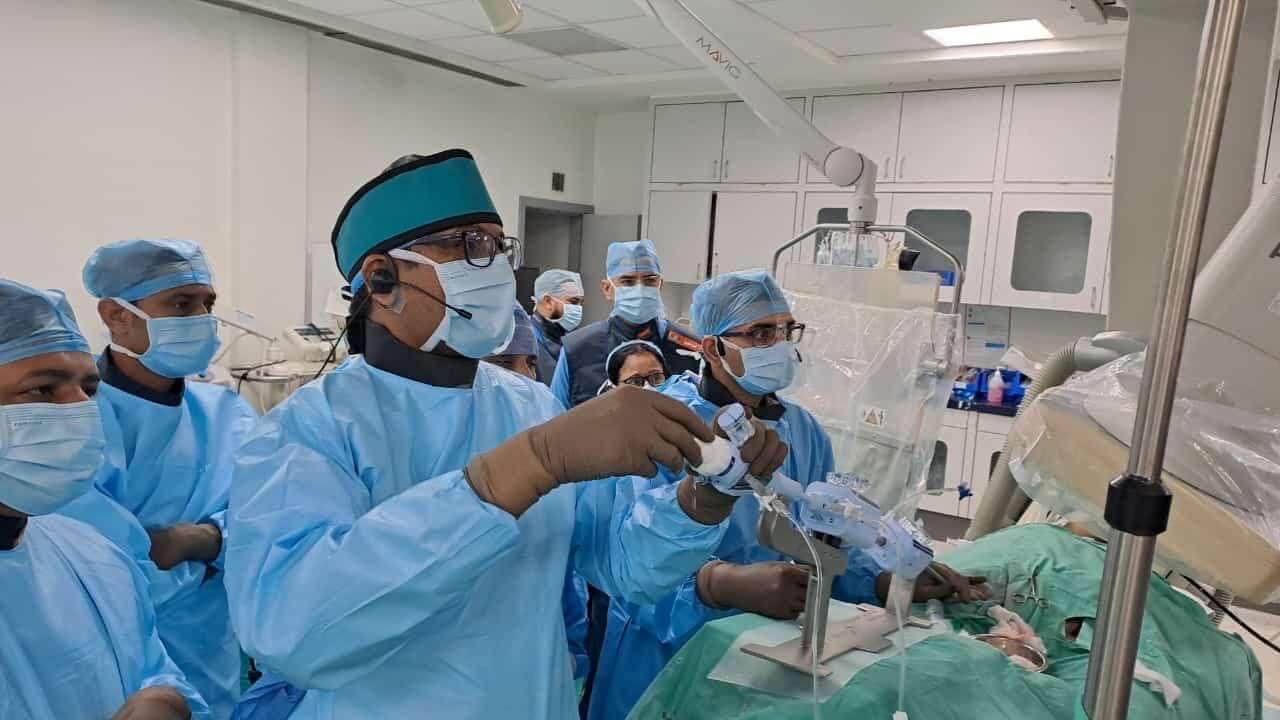
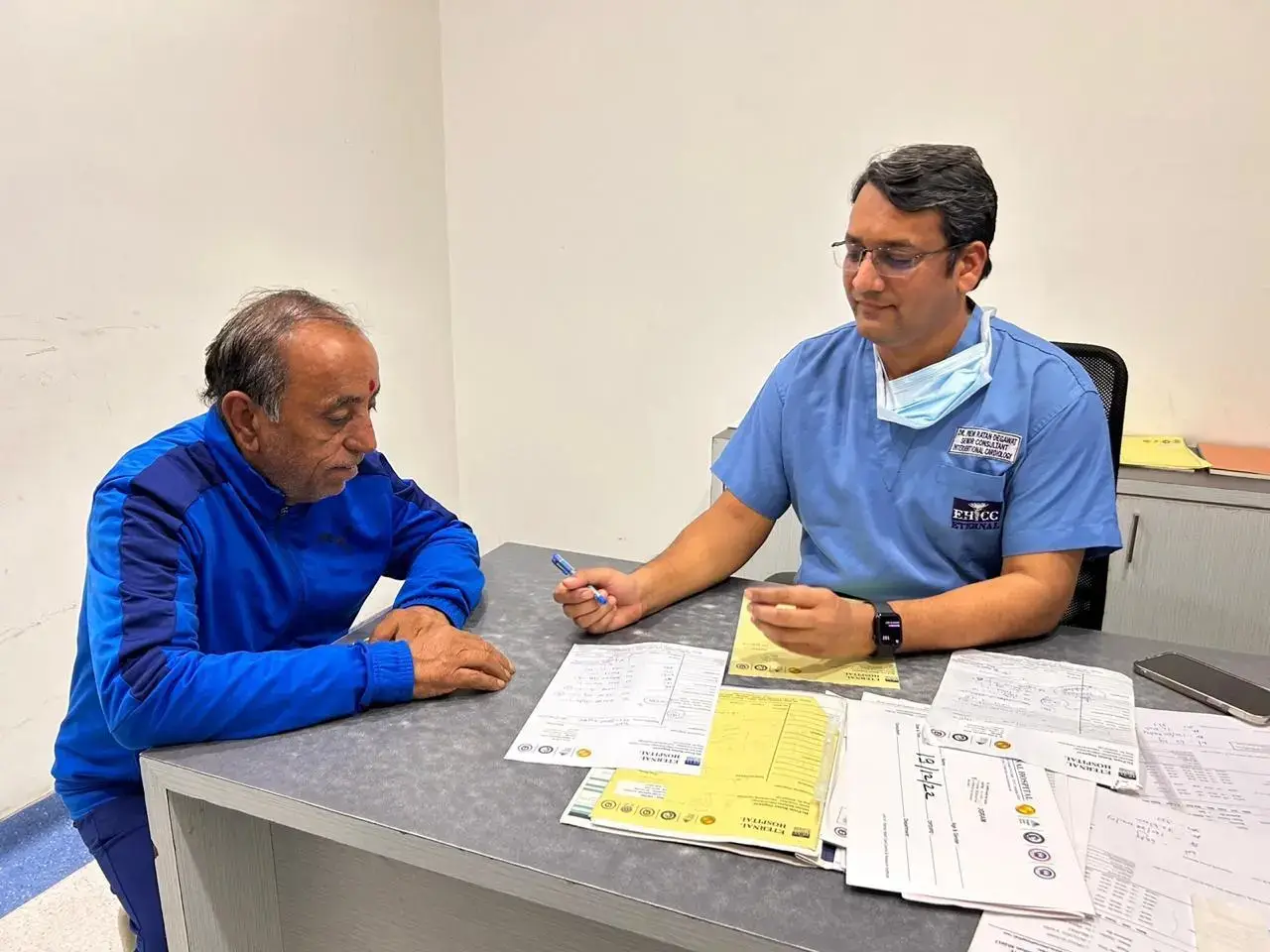
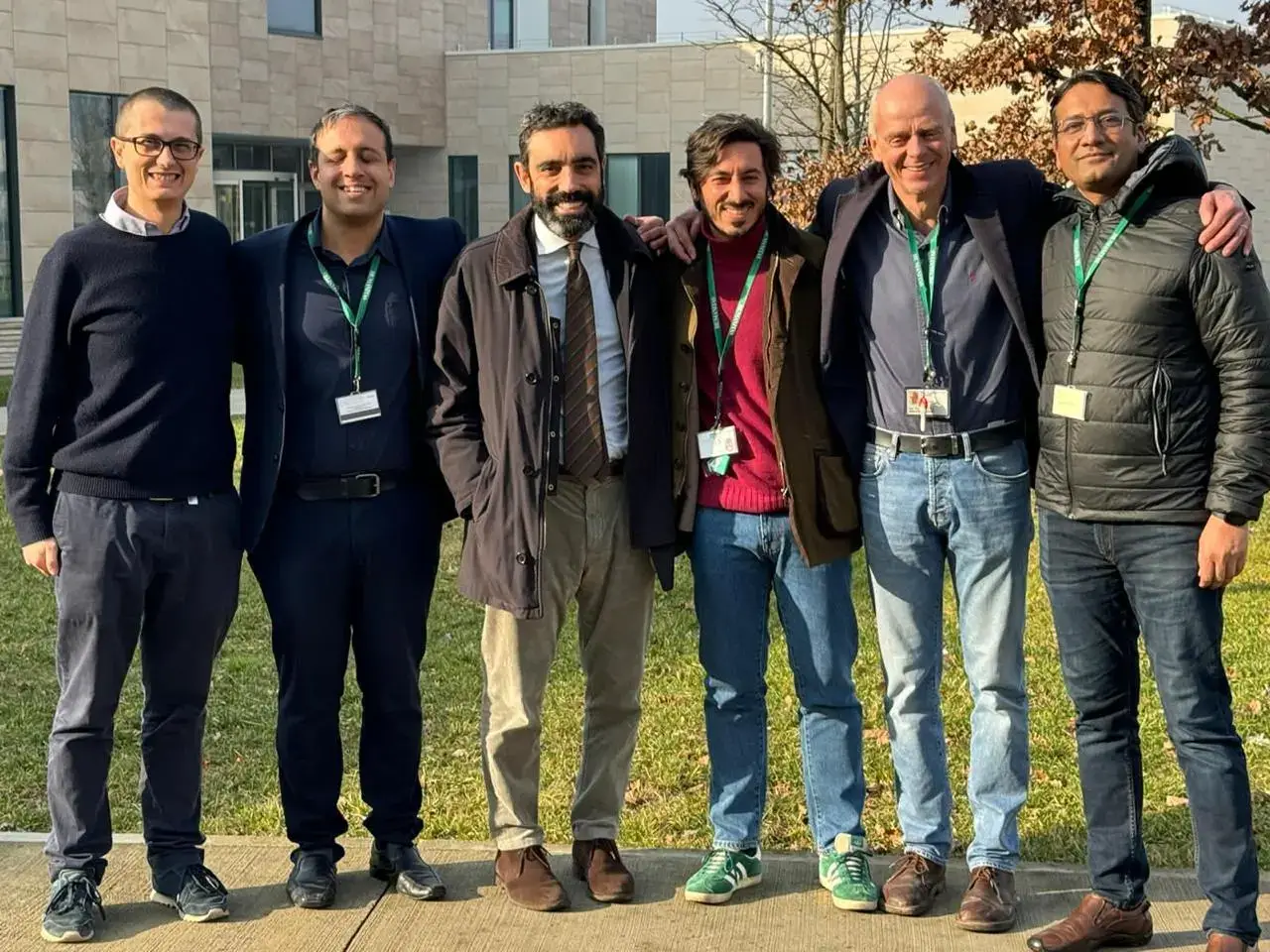
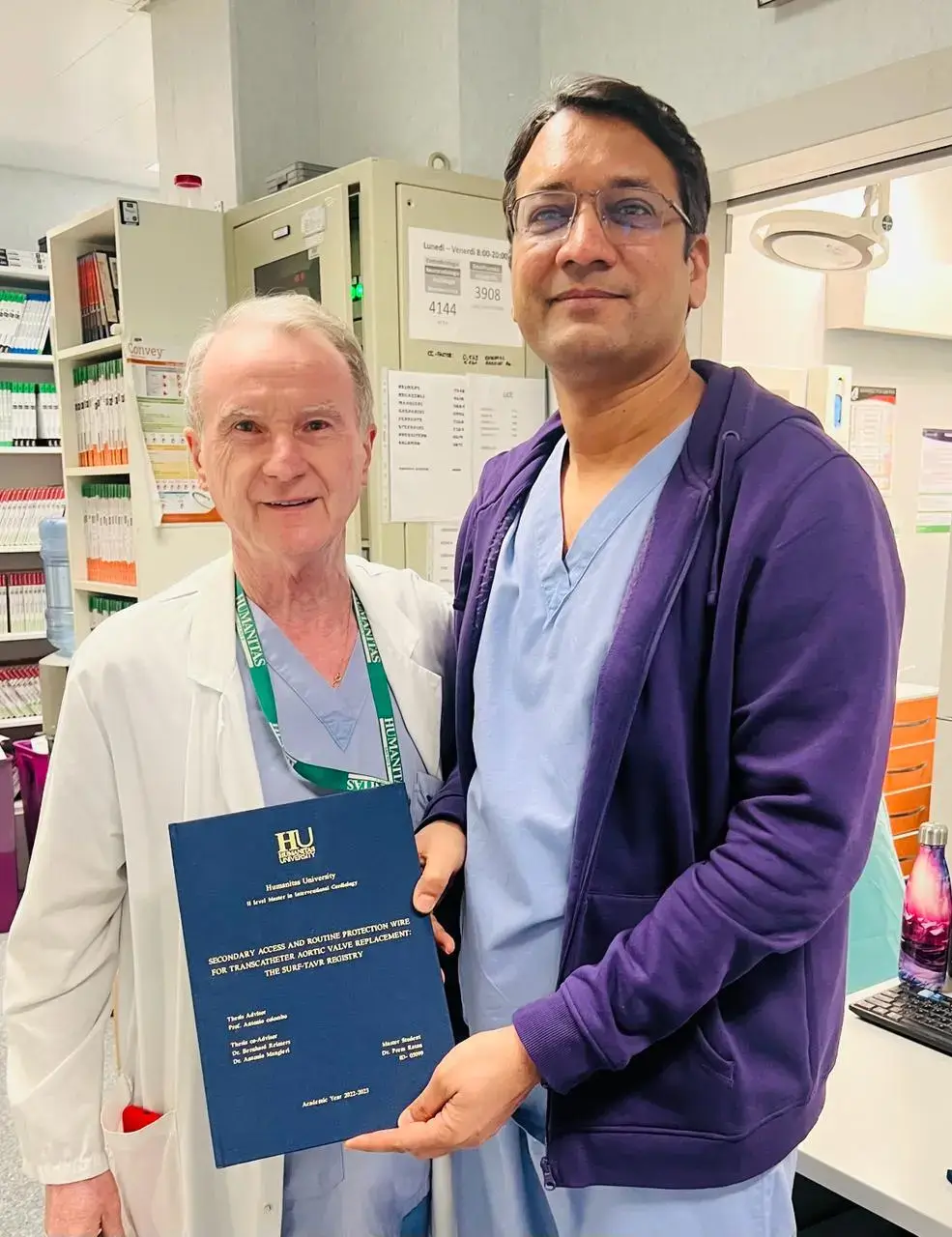
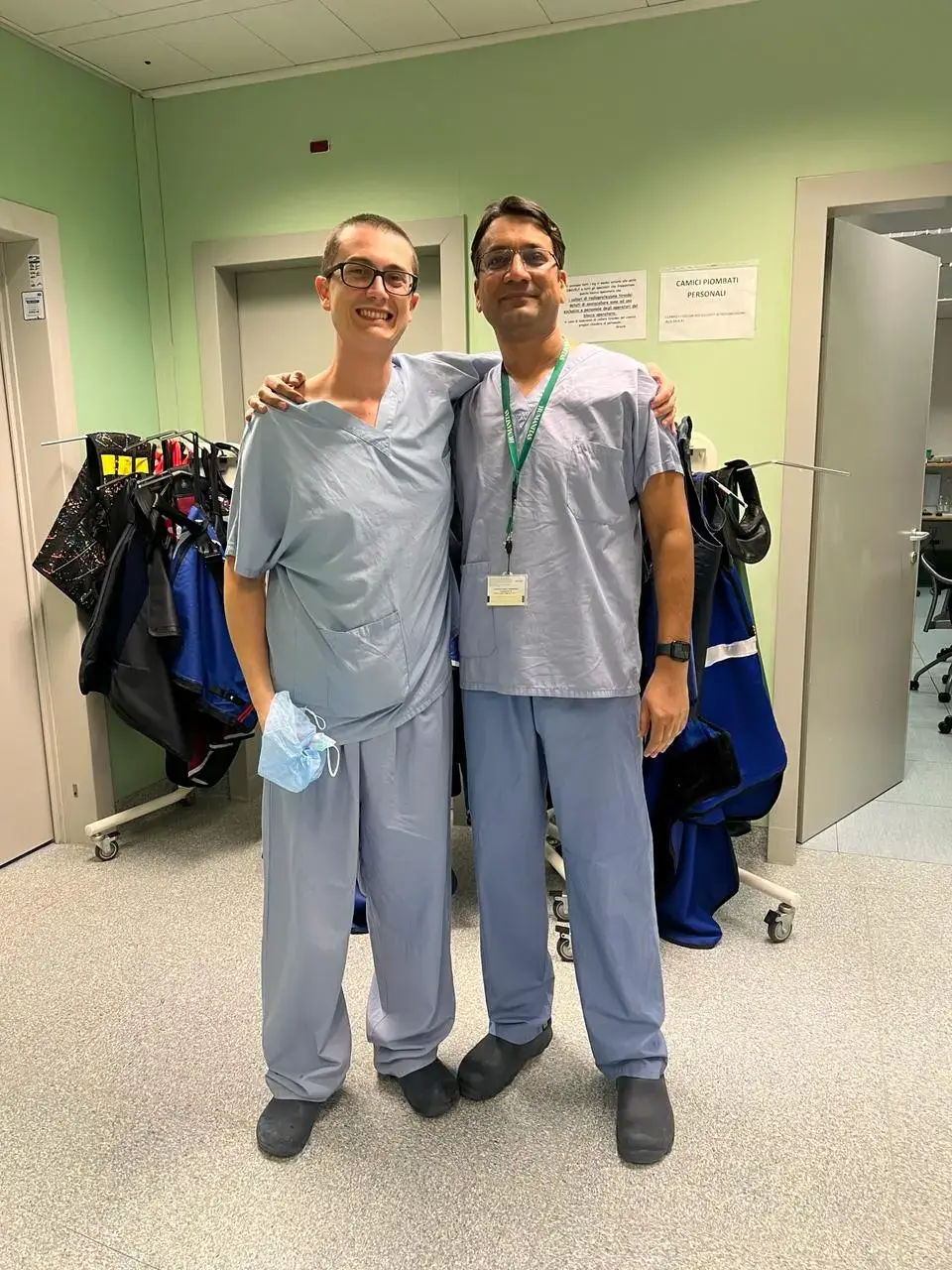
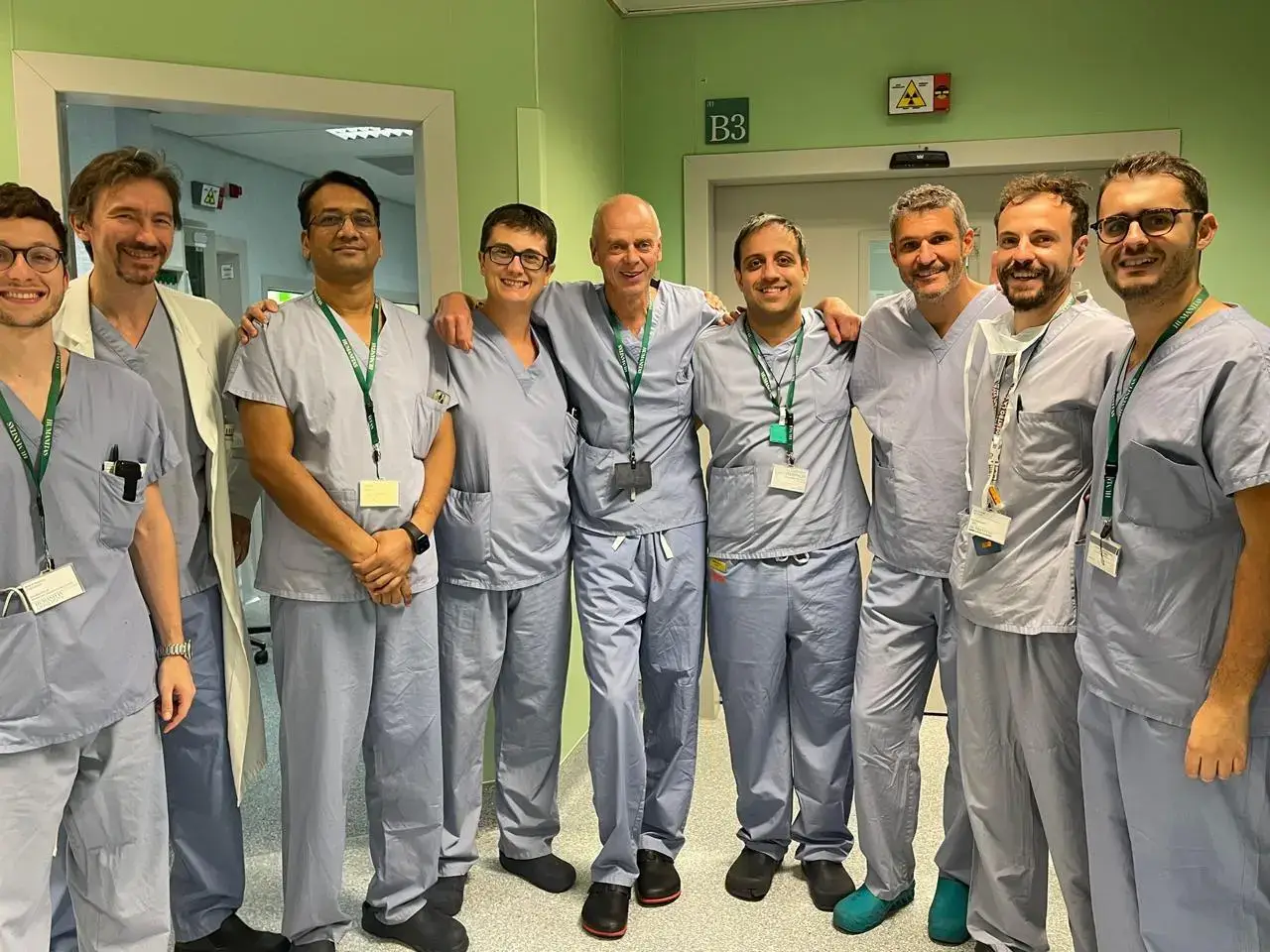
Dr. Prem Ratan Degawat is a senior interventional cardiologist in Jaipur who specialises in structural heart disease. He is Associate Director of the TAVR and Structural Heart Disease Program at Eternal Hospital and has performed more than 600 TAVI procedures, including bicuspid, valve-in-valve, and TAVR-in-TAVR cases.
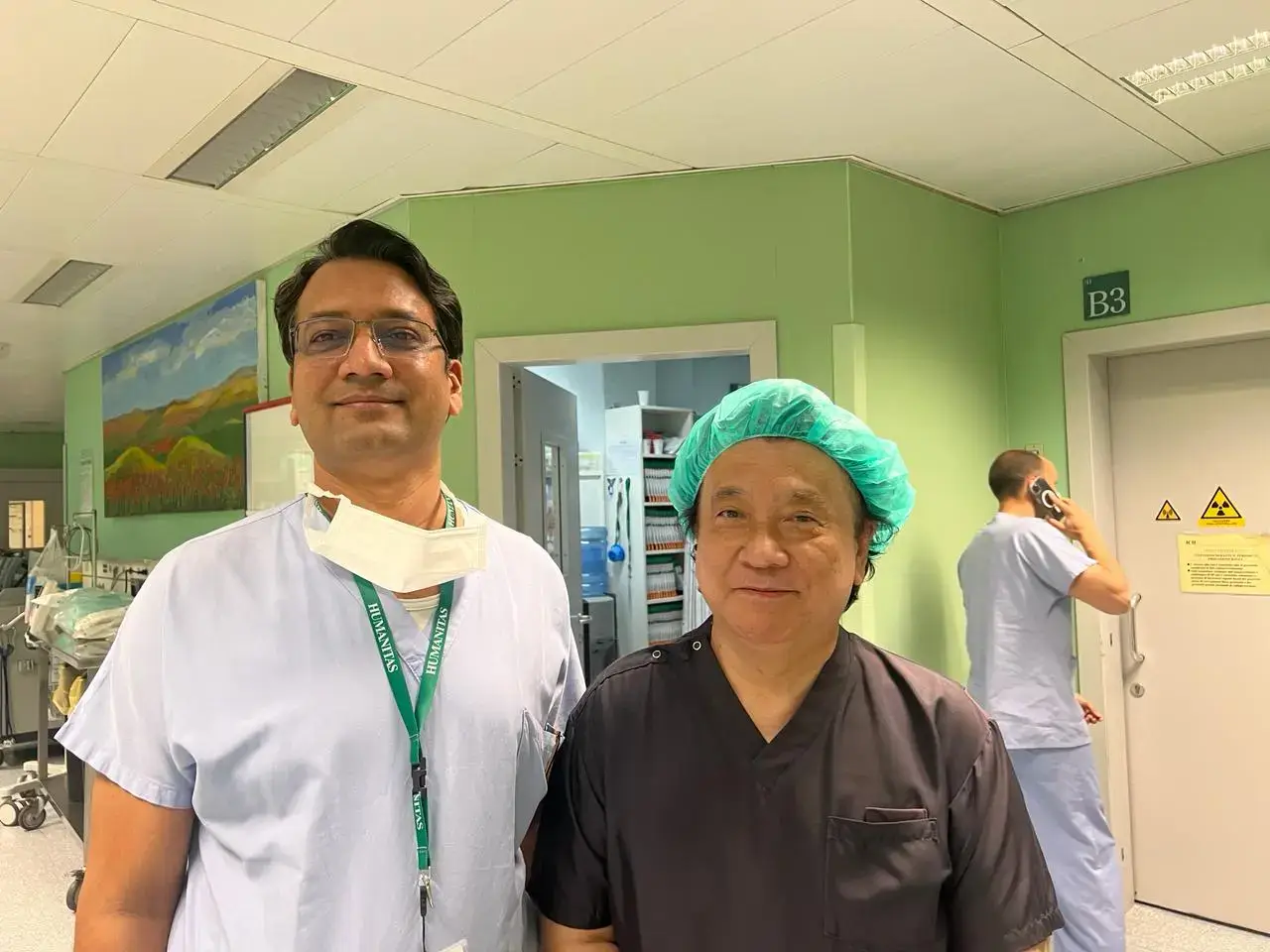
He completed his DM in Cardiology at King George’s Medical University, Lucknow, and trained in advanced structural heart intervention at IRCCS Humanitas in Italy. He is among a small number of cardiologists in India certified in TAVI, MitraClip, TRI-Clip, and TMVR procedures.
Dr. Degawat is known for explaining conditions and options in plain language, so patients and families can decide with confidence.
Consultation details:
- Hospital: Eternal Hospital, 3A Jagatpura Road, Near Jawahar Circle, Jaipur 302017
- OPD: Monday to Saturday, 10:00 AM to 4:00 PM
- Clinic: 6/384, In front of Railway Headquarter, Sector 6, Malviya Nagar, Jaipur, Rajasthan 302017
- Contact: +91-8960594076
FAQs:
How many days do I stay in hospital for TAVI in Jaipur?
Three to four days in total for a straightforward case. You are admitted the day before, the valve goes in the next morning, and discharge follows one to two days later once the rhythm, the groin site and the echo are all satisfactory. The PARTNER 3 trial reported a median stay of three days.
Will I be unconscious during TAVI?
Usually not. Most TAVI procedures here are done under local anaesthesia at the groin with sedation, so you are drowsy and comfortable but breathing on your own. General anaesthesia is reserved for specific complex cases. The anaesthesia team explains which applies to you the evening before.
Do I go to the ICU after TAVI?
Most patients go to a monitored or high-dependency bed for the first night rather than a full intensive care unit. The rhythm, groin site and blood pressure are watched closely through that night. A full ICU bed is used when a patient came in unstable or something during the procedure warrants it.
Why might I need a pacemaker after TAVI?
The new valve sits against the heart’s electrical conduction pathway, and pressure there can slow the heartbeat enough to need a permanent pacemaker. This happened in 6.6% of patients in PARTNER 3 and 17.4% in the Evolut Low Risk trial, both published in 2019. It is checked every day before discharge.
How many attendants can stay with me?
One attendant stays overnight in the room. We suggest a second family member during the day to handle billing and paperwork, since one person cannot manage both jobs across four days. Outstation families should plan for around a week in Jaipur once travel and pre-admission visits are counted.
What should I bring for a TAVI admission?
All old reports in one dated folder, your actual medicine strips rather than a written list, loose front-opening clothes, non-slip slippers, a shawl, spectacles, hearing aids and a long phone charger. Leave jewellery and large sums of cash at home.
When is my first check-up after discharge?
A wound check at about seven days, then an echocardiogram and review at one month. Most patients are seen again at six months and then once a year. The 2020 ACC/AHA valve guideline recommends this kind of periodic echo follow-up after valve replacement.
Can the stay be longer than four days?
Yes, and it is not a sign the valve failed. A new conduction problem on the ECG, bleeding or swelling at the groin, or a dip in kidney function after the contrast dye can each add a day or two. Patients who came in frail sometimes stay longer simply because home is not yet safe.