Medically reviewed by Dr. Prem Ratan Degawat, MD, DM (Cardiology)
Senior Interventional Cardiologist · Director, Mitral & Tricuspid Valve Therapy · Associate Director, TAVR & Structural Heart Disease Program, Eternal Hospital, Jaipur
Last updated on April 19, 2026 · View LinkedIn profile
You have been told your aortic valve is narrowed or failing. Your doctor mentions TAVI. You go home and search. You find procedure details and cost pages. But you still have the one question no article answers clearly: do I actually qualify?
This guide exists for that question. It covers who is an ideal TAVI candidate in India, who sits in the borderline zone, and how the decision is made between TAVI, open surgery, and watchful waiting. It also walks through the full patient journey at Eternal Hospital, Jaipur, day by day, from the first consultation to discharge and the three months after.
Real patients from Rajasthan have shared their experiences. Their stories are included here.
What Is TAVI and Why Does It Matter for High-Risk Patients
TAVI stands for Transcatheter Aortic Valve Implantation. It is also called TAVR (Transcatheter Aortic Valve Replacement).
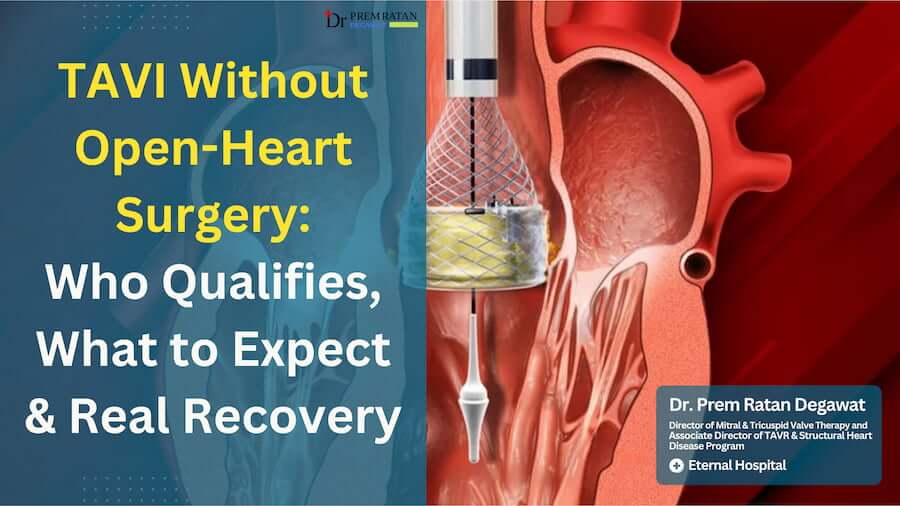
In TAVI, a damaged aortic valve is replaced without opening the chest. A thin flexible tube is guided through a small puncture in the groin. The new valve travels through this tube and is placed directly inside the old valve. The old valve is not removed. It is simply pushed aside.
The new valve begins working immediately. No sternum is cut. No ribs are spread. No heart-lung machine is used in most cases.
This matters enormously for elderly patients, patients with diabetes or kidney disease, and anyone whose body cannot tolerate the physical trauma of open surgery. For these patients, TAVI is not just a convenience. It is often the only safe option.
Who Qualifies for TAVI in India: The Clear Cases
Not every aortic valve patient is a TAVI candidate. Eligibility depends on several factors. Understanding these helps patients arrive at their consultation already informed.
Age and Surgical Risk Score
TAVI was originally developed for patients too frail for open surgery. Today, it is used across a wide range of risk levels. The following patients are clearly good TAVI candidates:
- Patients aged 70 years and above with severe aortic stenosis
- Patients with a high or intermediate surgical risk score (calculated using tools like STS score or EuroSCORE)
- Patients who have already had one open heart surgery and need another valve replacement (this is called Valve in Valve TAVI)
- Patients over 65 with additional conditions such as diabetes, chronic kidney disease, lung disease, or previous stroke
Age alone does not determine eligibility. A 75-year-old in good general health may also be evaluated for TAVI depending on anatomy and risk profile.
Medical Conditions That Favor TAVI
The presence of any of the following often tips the decision toward TAVI over open surgery:
- Chronic obstructive pulmonary disease (COPD)
- Prior coronary artery bypass graft (CABG) surgery
- Liver disease or cirrhosis
- Severe obesity
- Porcelain aorta (calcium deposits in the aorta that make surgery dangerous)
- Frailty as assessed by a multidisciplinary team
Who Sits in the Borderline Zone
The borderline zone is where most patient confusion happens. These are patients who could potentially do well with either TAVI or open surgery.
Patients between 60 and 70 years of age with intermediate surgical risk fall into this category. Patients with bicuspid aortic valves also require careful evaluation. Bicuspid TAVI is technically complex. Dr. Prem Ratan Degawat at Eternal Hospital, Jaipur, is among the few cardiologists in India trained and certified to perform TAVI in bicuspid valve cases.
Our separate guide to TAVI for a bicuspid aortic valve explains what the CT scan must show and which bicuspid patients are still better served by open surgery.
For borderline candidates, the decision is made by a Heart Team. This team includes an interventional cardiologist, a cardiac surgeon, and often an anaesthesiologist. They review all test results together and recommend the safest option.
For patients in their 80s, frailty and memory often matter more than the birth date. Our guide to TAVI at 80, 85 and beyond explains how these are checked.
Who Is NOT a TAVI Candidate
Open surgery remains the better choice for some patients. TAVI is generally not recommended when:
- The patient is under 60 and has low surgical risk
- Multiple valves need repair in the same operation
- The aortic valve anatomy is not suitable for catheter-based replacement
- The patient also needs coronary bypass surgery at the same time
- Long-term valve durability of 20 or more years is the priority
Younger patients generally benefit more from open surgery because the implanted valve lasts longer. A 55-year-old who undergoes TAVI today may need another procedure in 12 to 15 years. That consideration changes the recommendation.
How the Decision Is Made: TAVI vs Open Surgery vs Watchful Waiting
This is the part most patients do not see. Before any recommendation is made, Dr. Degawat orders a full workup. Here is what that involves.
Echocardiography: This measures the severity of valve narrowing and heart function. Severe aortic stenosis is usually defined as a valve area below 1.0 square centimetre.
CT Angiography (CTA): This is the most critical test for TAVI planning. It maps the aorta, the valve, and the access vessels in the groin. It tells the cardiologist whether the valve anatomy is suitable and which valve size to use.
Blood Tests and Kidney Function: These assess how well the body will tolerate the procedure and the contrast dye used.
Surgical Risk Calculation: The STS (Society of Thoracic Surgeons) score estimates the risk of dying or suffering major complications from open surgery. A score above 8 percent is considered high risk.
Functional Assessment: How symptomatic is the patient? Can they walk 100 metres without stopping? Have they had chest pain, fainting, or breathlessness?
For patients with mild stenosis and no symptoms, watchful waiting with regular monitoring is often the correct approach. Not every valve problem needs immediate intervention.
What Happens at Eternal Hospital, Jaipur: Day by Day
Understanding the full journey reduces anxiety for patients and families. Here is what TAVI patients experience at Eternal Hospital, Jaipur, from admission to discharge.
What follows is a summary. If you want the full account of the stay, hour by hour, we have written it up separately in TAVI in Jaipur, day by day, from admission to discharge. That guide covers the workup week before admission, what your family experiences while you are in the cath lab, the exact criteria the team checks before discharge, what delays a discharge, and what to pack.
Day 1: Pre-Procedure Preparation
Patients are admitted the day before the procedure. Blood tests are completed or reviewed. The anaesthesia team visits to explain what the patient will experience. The groin area is cleaned and prepared. Patients are asked to fast from midnight.
Family members should plan to be present. The procedure usually takes 1 to 2 hours.
Day 2: The Procedure Day
Most TAVI procedures at Eternal Hospital are performed under local anaesthesia with sedation. The patient is awake but calm and comfortable. A general anaesthetic is used in specific complex cases.
Here is what happens step by step:
- A small puncture is made in the groin (femoral artery)
- A sheath (thin tube) is inserted into the artery
- A guide wire is passed through to the heart
- A balloon is briefly inflated to open the narrowed valve
- The new valve, mounted on a stent, is delivered via catheter
- The valve is deployed inside the old valve and begins working immediately
- The catheter is removed and the groin puncture is sealed
No chest is opened. No bones are cut. The heart never stops.
Family members in the waiting area typically receive an update within 90 minutes.
Hours After the Procedure: Recovery Begins
Most patients are moved to a monitored ward rather than a full ICU within a few hours. The sheath in the groin is removed. Patients are encouraged to drink water. Many are surprised to feel better almost immediately.
The breathlessness that came with every step, the tightness in the chest during light activity, the fatigue on climbing stairs. Many patients notice these symptoms lifting within the first 24 hours. The valve is now opening fully with every heartbeat.
Day 3: Walking and Eating Normally
By the second day, most patients are walking short distances inside the ward. Meals are normal. The team checks the ECG, echocardiogram, and blood tests. The groin puncture site is examined.
Patients who remain stable are discharged on Day 3 or Day 4.
Day of Discharge: Going Home
Discharge instructions are given in simple language. Patients receive a card listing their new medications. A follow-up appointment is scheduled for 7 days later. The total hospital stay for most TAVI patients at Eternal Hospital, Jaipur, is 3 to 4 days.
Medicines After TAVI: What Changes, What Stays the Same
One of the most common questions families ask on discharge day is about medications. Here is a clear summary.
New medicines added after TAVI:
- Dual antiplatelet therapy: Most patients take aspirin plus clopidogrel (Plavix) for the first 3 to 6 months. This prevents clotting around the new valve.
- Blood thinners: Required in some cases, depending on the valve type and whether the patient has atrial fibrillation.
Medicines that usually stay the same:
- Blood pressure medications
- Cholesterol-lowering drugs (statins)
- Diabetes medications
- Diuretics (water pills) if the patient was taking them before
Medicines that may be reduced or stopped:
- Some patients were on high doses of diuretics for heart failure symptoms. As the heart works better with the new valve, these doses are often reduced over the first few months.
Always follow the exact instructions given at discharge. Never stop any medicine without calling the hospital first.
3-Month Quality of Life: What Patients Actually Report
The numbers from clinical studies are encouraging. But what do patients from Rajasthan actually say?
Patients treated by Dr. Degawat at Eternal Hospital, Jaipur, report the following changes by the 3-month mark.
Breathlessness: Most patients who were breathless walking 50 metres can now walk 300 to 500 metres comfortably. Several return to taking early morning walks within 6 to 8 weeks.
Energy levels: Fatigue was a constant complaint before TAVI for many patients. By month 2 to 3, most report needing fewer rest breaks during the day.
Sleep quality: Many patients with severe aortic stenosis slept poorly due to nighttime breathlessness. This improves significantly in the weeks after TAVI.
Appetite: With better heart function, many elderly patients regain appetite they had lost over the previous months.
Independence: A significant finding for elderly patients is the return of independence. Patients who needed help to bathe or dress are often managing on their own within 4 to 6 weeks.
Real Patient Stories from Dr. Degawat’s Patients
Several patients treated by Dr. Prem Ratan Degawat at Eternal Hospital, Jaipur, have shared their journeys publicly. Their stories offer a realistic picture of what TAVI recovery looks like for patients from Rajasthan.
Mr. Manak Chand Hiran came to Eternal Hospital with severe aortic stenosis. He underwent TAVI and went home without a chest scar. His recovery followed the typical pattern described above.
Bimal Kumar Kedia (Kolkata) | Heart Valve Treatment Without Open Surgery
Patient Came from Delhi Got His Life Back in 1 Procedure
Mrs. Maya Devi was another TAVI patient at Eternal Hospital. She described how quickly she felt better after the procedure and her return to daily life.
Mrs. Om Panwar and Mrs. Ugam Lata Gangwal also shared their recovery stories. Both emphasised how fast their improvement was compared to what they had expected from a heart procedure.
Mr. Suresh Chand and Mr. Jasti Veera Sekhara are among the other patients whose post-TAVI experiences have been documented at Eternal Hospital, Jaipur.
About Dr. Prem Ratan Degawat
Dr. Prem Ratan Degawat is one of Jaipur’s most experienced interventional cardiologists. He serves as Associate Director of the TAVR and Structural Heart Disease Program at Eternal Hospital and heads the Mitral and Tricuspid Valve Program.
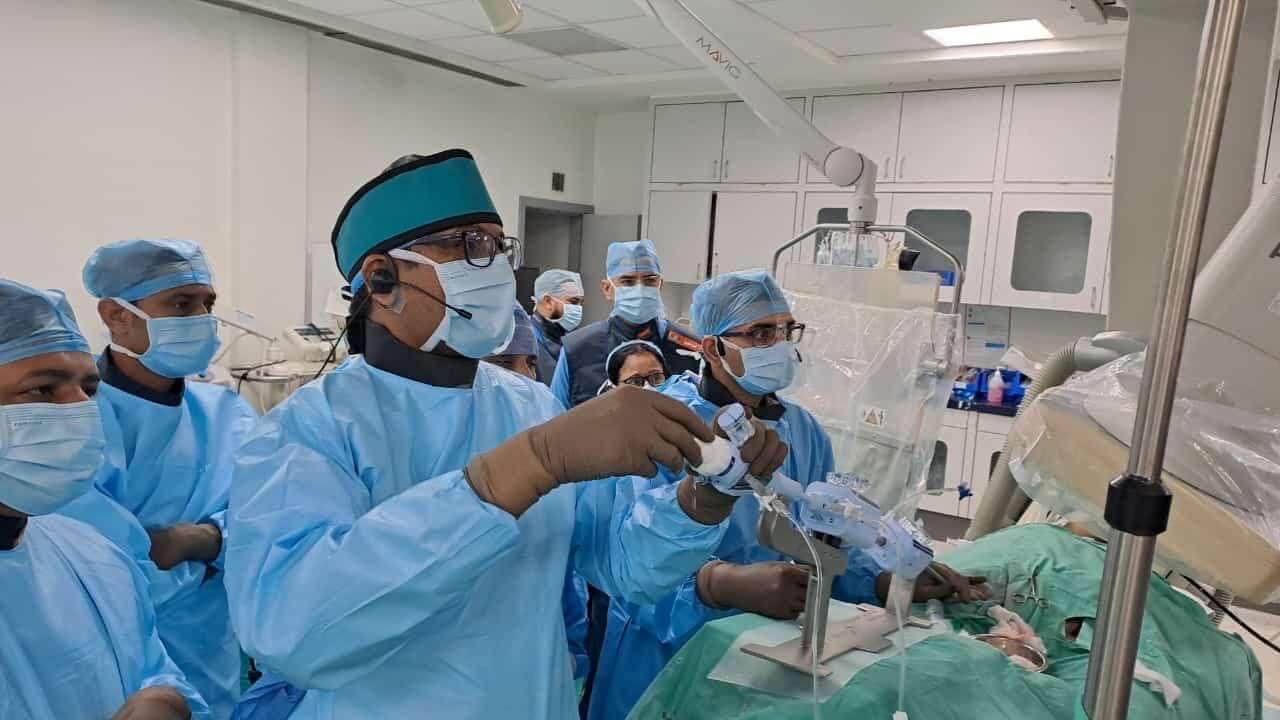
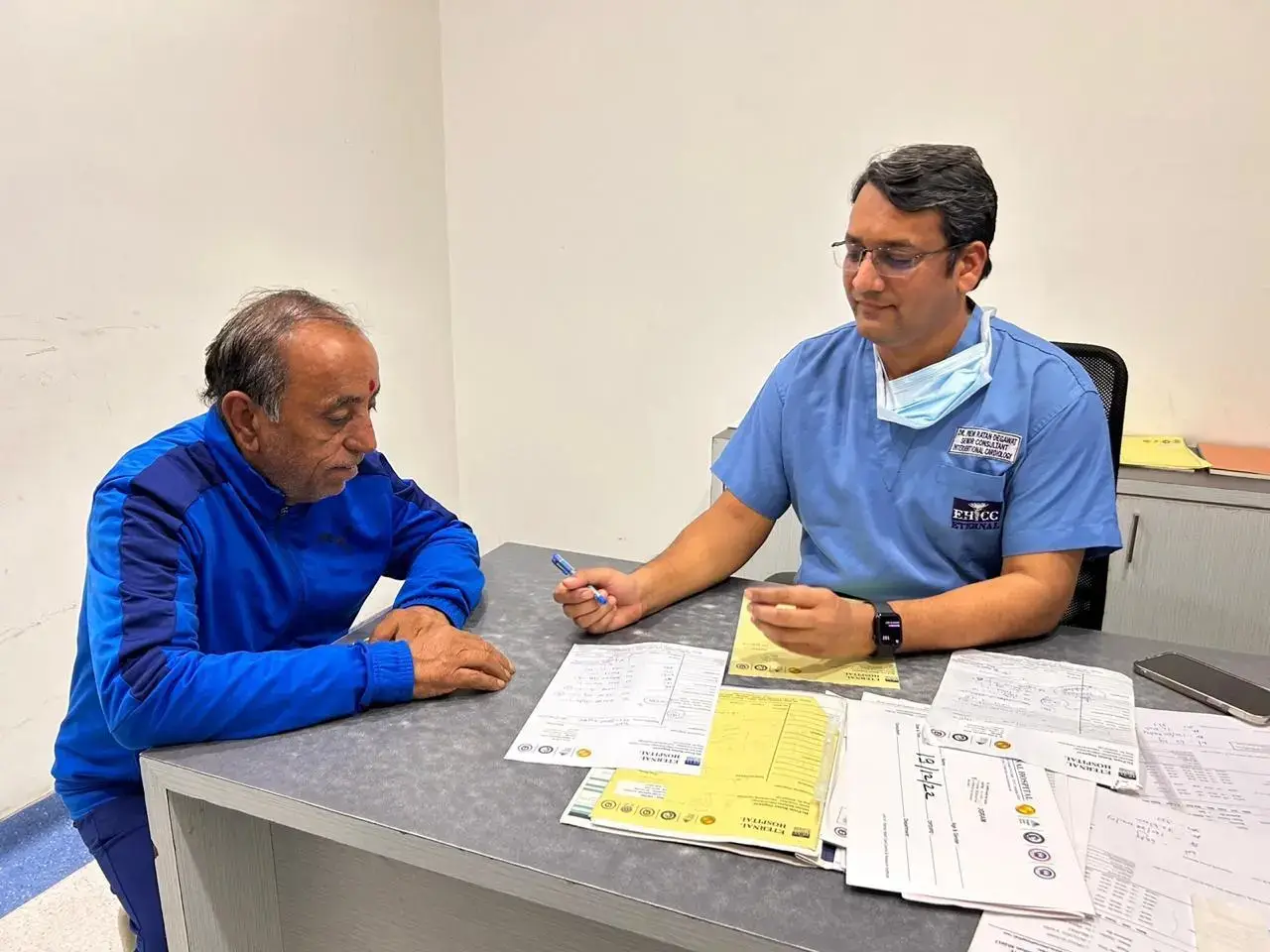
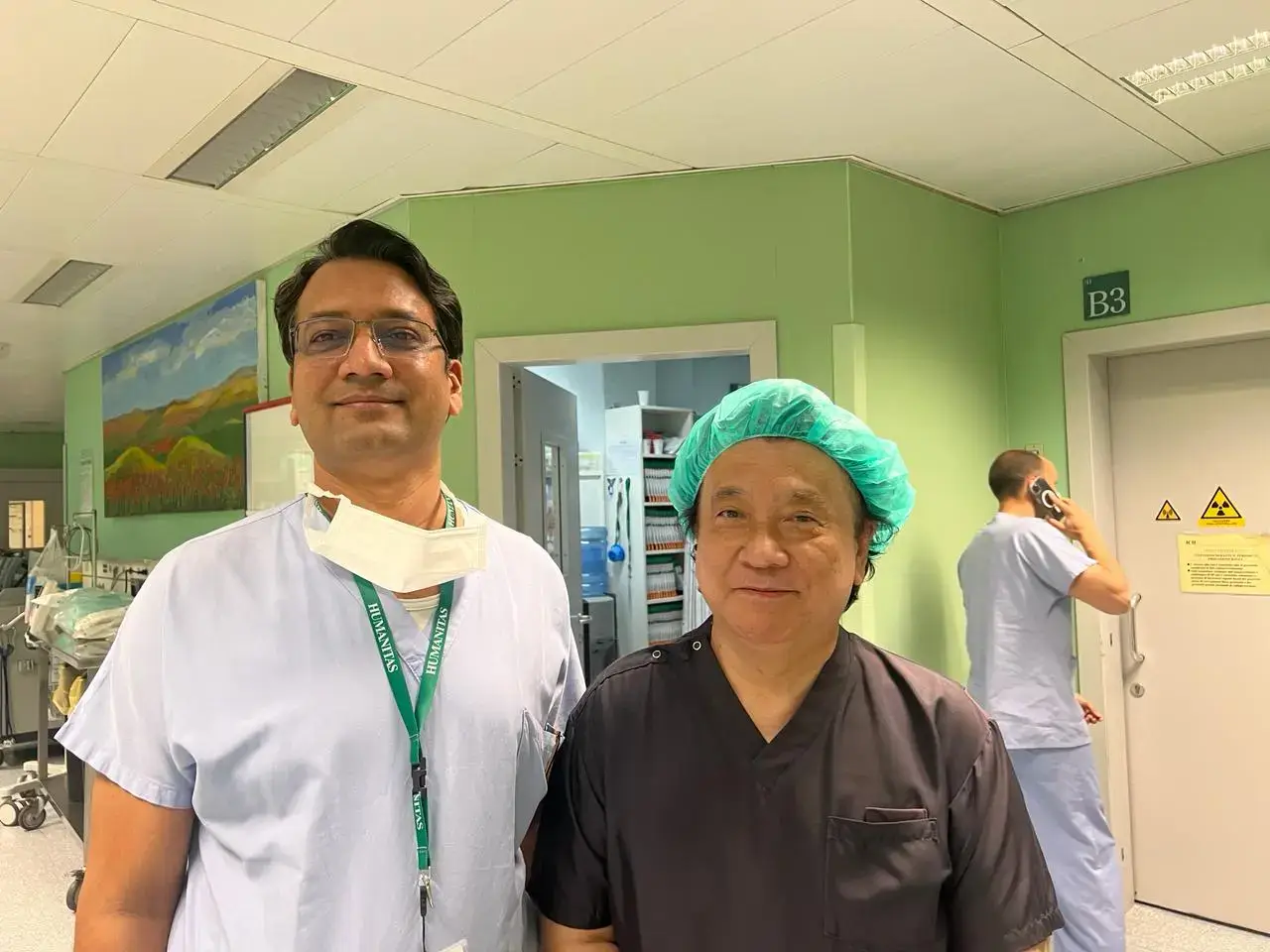
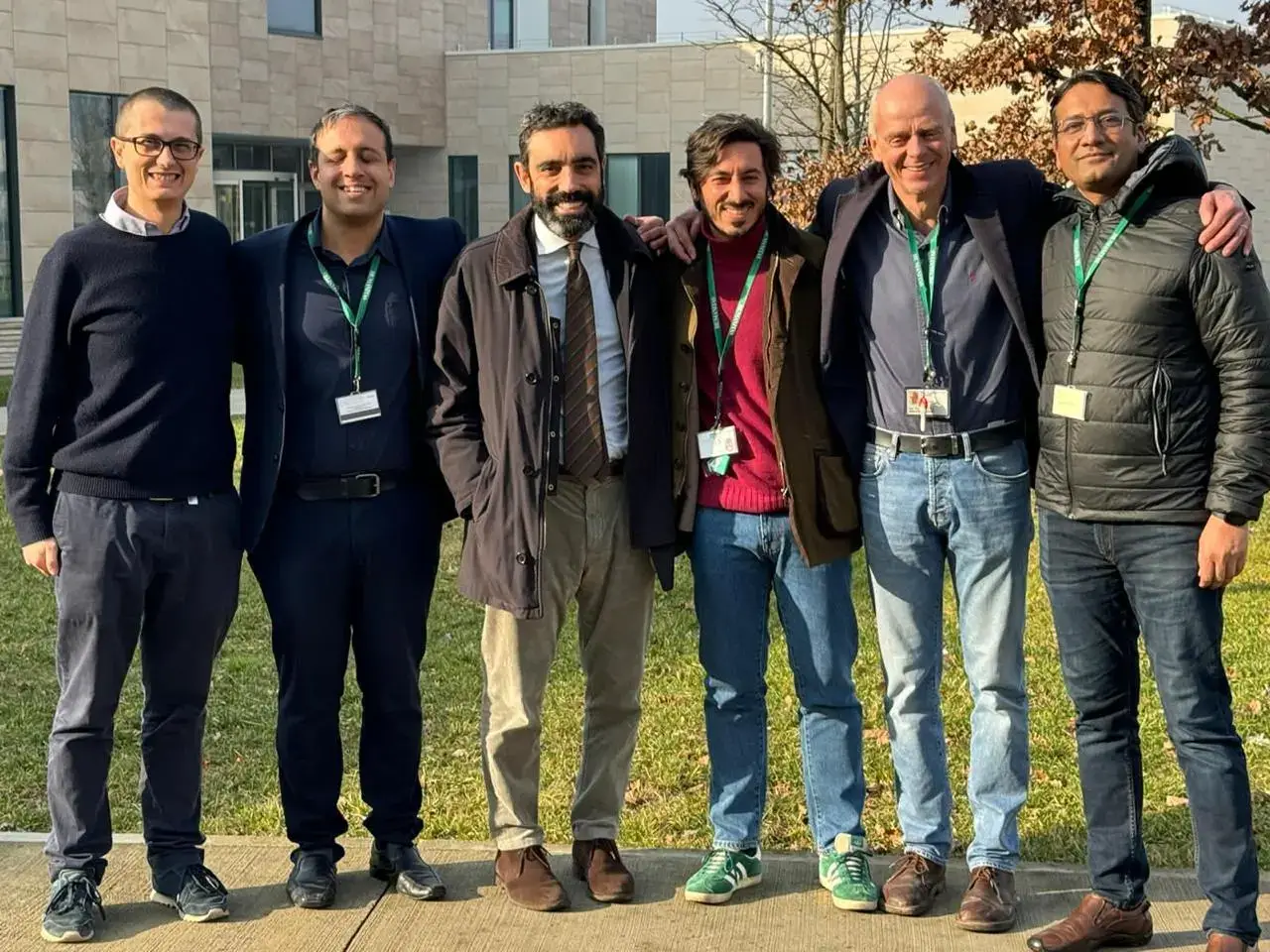
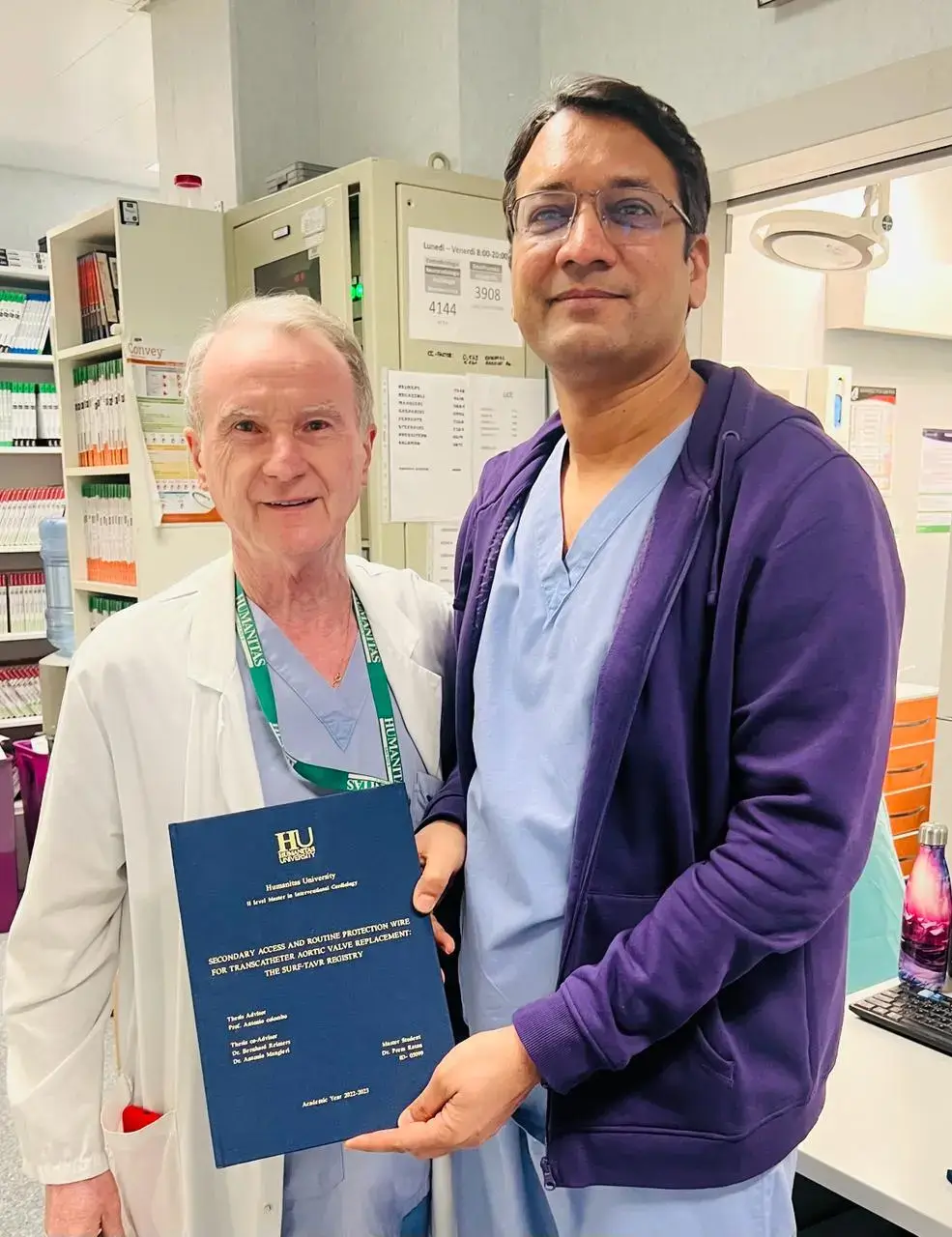
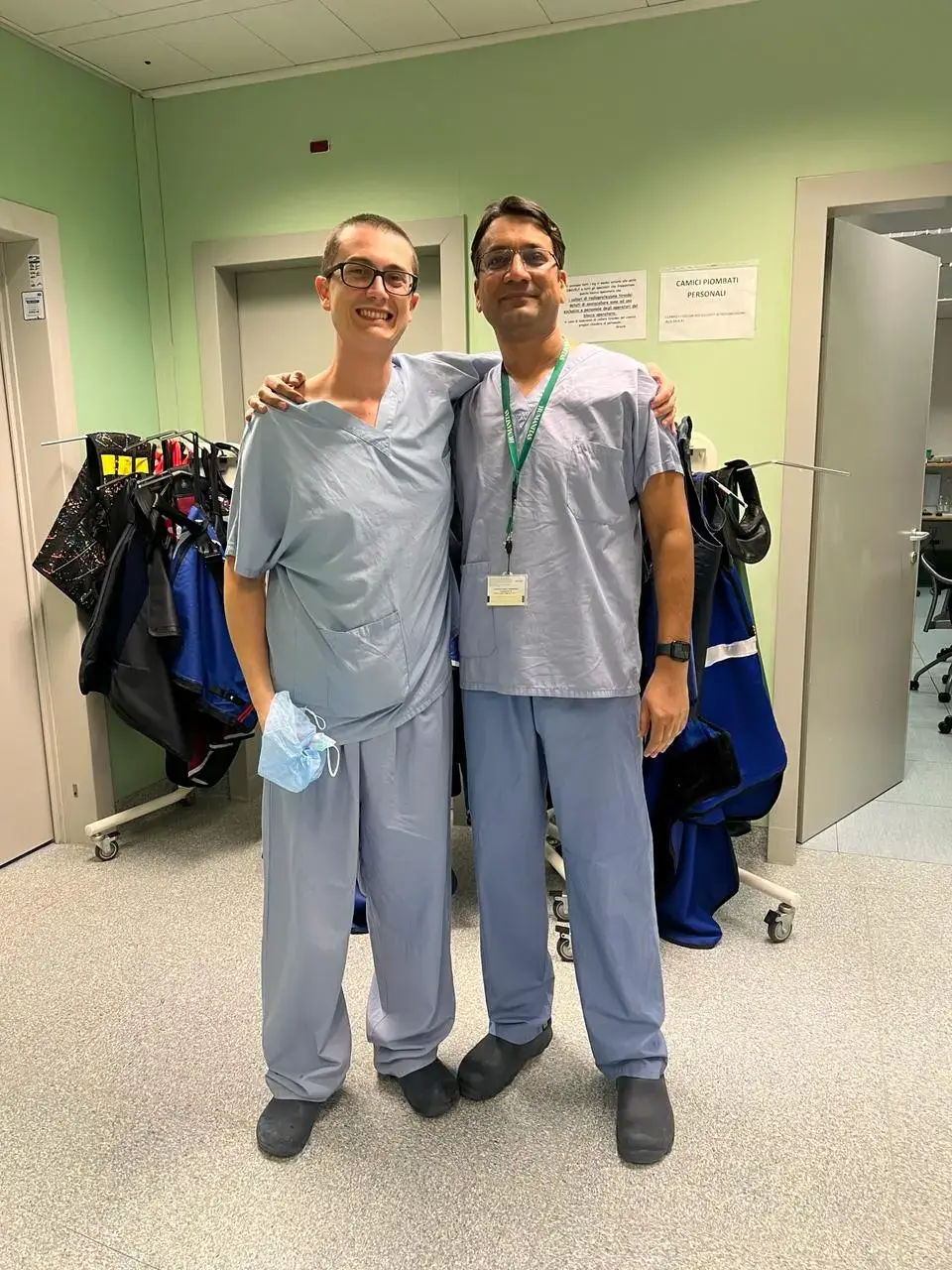
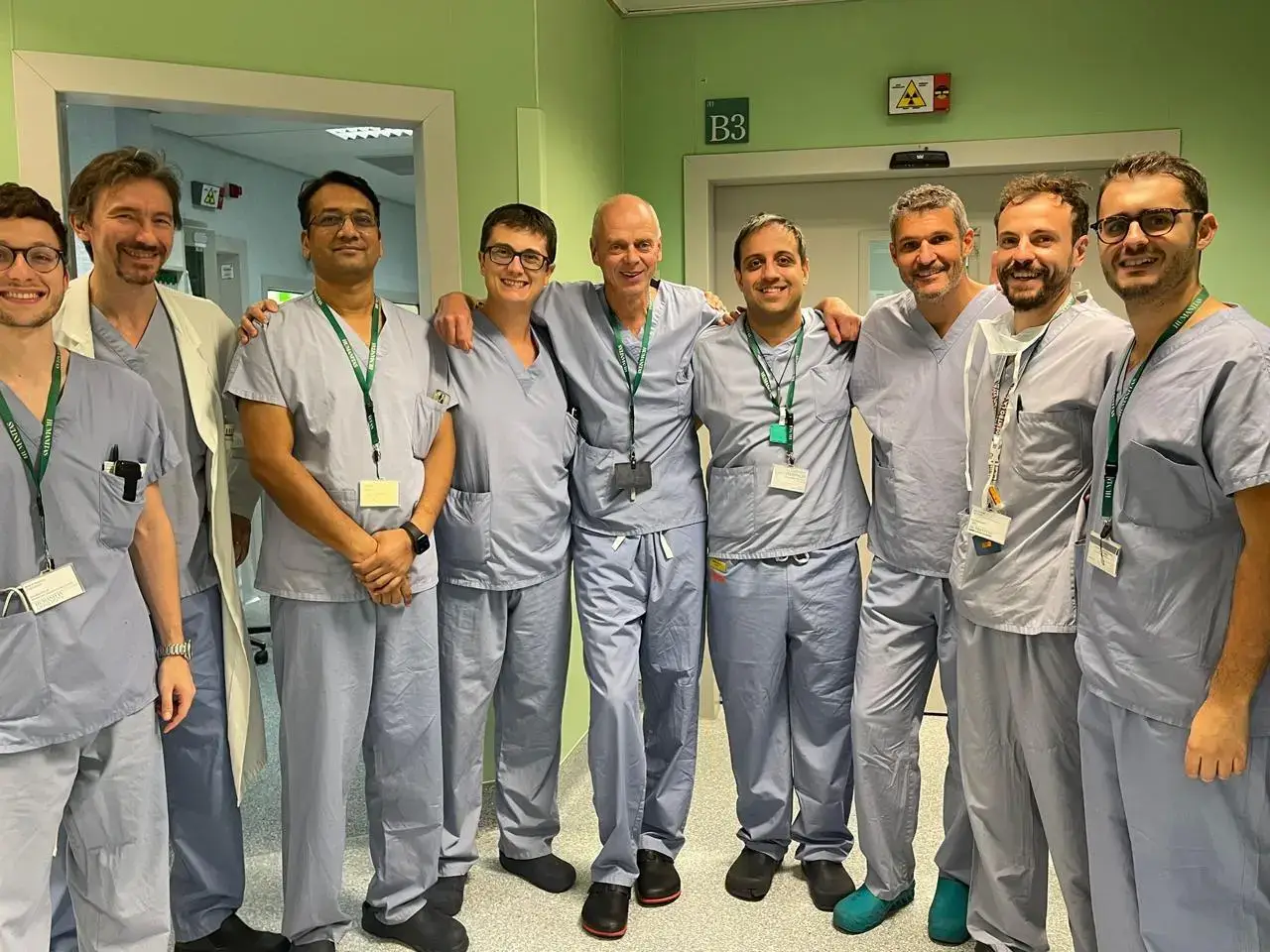
He has performed over 600 TAVI procedures, including technically complex cases such as Bicuspid Valve TAVI, Valve in Valve, and TAVR in TAVR. He has also studied safe TAVI techniques across 2,000-plus cases in Europe. He completed his DM in Cardiology from King George’s Medical University, Lucknow, and received advanced training at IRCCS Humanitas Research Hospital in Italy.
Dr. Degawat is among the few cardiologists in India certified in TAVI, MitraClip, TRI-Clip, TMVR, CAVI, and TTVR.
Patients from Jaipur and across Rajasthan, including Ajmer, Kota, Udaipur, Bikaner, and Jodhpur, consult him for second opinions and complex structural heart decisions. He is known for taking time with each patient and explaining options without medical jargon.
Hospital: Eternal Hospital, 3A Jagatpura Road, Near Jawahar Circle, Jaipur 302017
OPD Timings: Monday to Saturday, 10:00 AM to 4:00 PM
Clinic: 6/384, In front of Railway Headquarter, Sector 6, Malviya Nagar, Jaipur, Rajasthan 302017
Contact: +91-8960594076
FAQs
Q1: Who qualifies for TAVI in India in 2026?
Patients over 65 with severe aortic stenosis, high or intermediate surgical risk, or conditions like kidney disease, lung disease, or prior heart surgery are strong candidates. A CT scan and Heart Team review confirm eligibility. Age alone does not decide qualification.
Q2: What is the TAVI recovery time in India?
Most TAVI patients are discharged within 3 to 4 days. They return to light daily activity within 2 to 3 weeks. Full recovery including walking and light exercise is typically achieved by 4 to 6 weeks. This is significantly faster than open heart surgery recovery of 6 to 8 weeks.
Q3: What is the TAVR patient experience at Eternal Hospital, Jaipur?
Patients are admitted one day before the procedure. The procedure takes 1 to 2 hours under sedation. Most patients walk the next day and are discharged by Day 3 or Day 4. Families report seeing visible improvement in breathlessness within the first week at home.
Q4: Can aortic stenosis be treated without open-heart surgery in India?
Yes. TAVI is an established treatment for aortic stenosis that does not require opening the chest. It is available at Eternal Hospital, Jaipur. Patients with high surgical risk or those who prefer to avoid open surgery are evaluated for TAVI by Dr. Degawat’s Heart Team.
Q5: What medicines do I take after TAVI?
Most patients take aspirin and clopidogrel for 3 to 6 months after TAVI. Blood pressure, cholesterol, and diabetes medicines usually continue unchanged. Some diuretic doses are reduced as heart function improves. Always follow your discharge instructions exactly.
Q6: Is TAVI covered under Chiranjeevi Yojana in Rajasthan?
Yes. TAVI is covered under Mukhyamantri Chiranjeevi Swasthya Bima Yojana at empanelled centres. Eternal Hospital is empanelled under the scheme. Patients should bring their Jan Aadhaar card. Ayushman Bharat (PM-JAY) coverage is also available for eligible families.
Q7: What if I am not sure whether TAVI or open surgery is right for me?
A single consultation with Dr. Prem Ratan Degawat is sufficient to get clarity. He reviews your existing reports, orders any additional tests needed, and presents both options honestly. The Heart Team at Eternal Hospital, Jaipur, gives a joint recommendation with no pressure.
Q8: How does life change after TAVI at 3 months?
Most patients report significant improvement in breathlessness, energy levels, walking ability, and sleep quality by the 3-month mark. Many return to morning walks, social events, and independent daily routines. The quality of life improvement is one of the most consistent outcomes seen after TAVI.
Conclusion
Aortic stenosis is a serious condition. Left untreated in its severe stage, it carries a poor prognosis. But treatment no longer means a long surgery, a chest scar, or months of recovery.
TAVI has changed that reality for thousands of patients across India. For the right candidate, it offers a working heart valve, a 3 to 4 day hospital stay, and a return to normal life within weeks.
The single most important step is finding out whether you qualify. One consultation, one CT scan, and a Heart Team discussion at Eternal Hospital, Jaipur, is all it takes to get a clear answer.
Am I a TAVI candidate? Find out in one consultation.
Patients registered under Chiranjeevi Yojana and Ayushman Bharat can avail cashless treatment at Eternal Hospital, Jaipur.
Disclaimer:
This article is for educational purposes only. Please consult your cardiologist for personalised medical advice.