Medically reviewed by Dr. Prem Ratan Degawat, MD, DM (Cardiology)
Senior Interventional Cardiologist · Director, Mitral & Tricuspid Valve Therapy · Associate Director, TAVR & Structural Heart Disease Program, Eternal Hospital, Jaipur
Last updated on Jul 12, 2026 · View LinkedIn profile
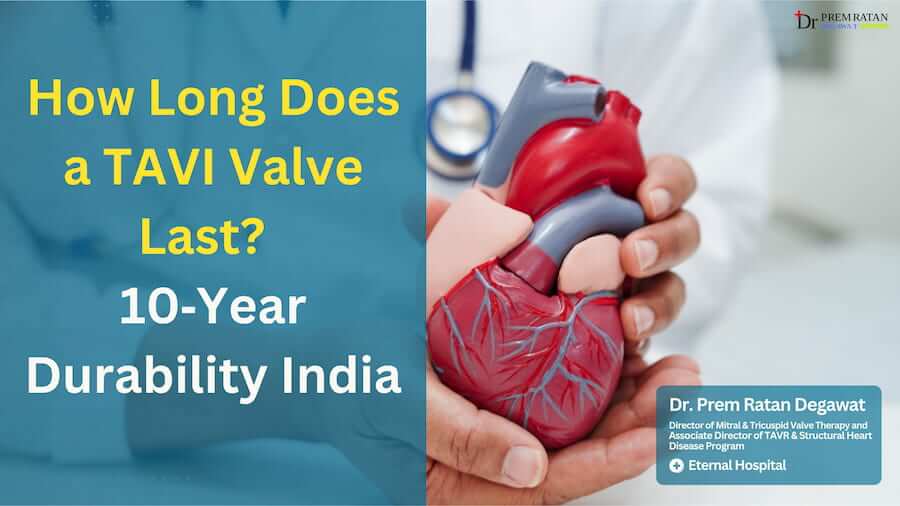
The honest answer, based on the best evidence we have in 2026, is that a modern TAVI valve lasts a long time. In the longest randomised follow-up available, about 90% of patients still had a working valve at 10 years. That is the number that matters, and it is close to what a surgical tissue valve gives.
Almost every patient I meet asks this question first. It is the right question. You are putting a valve inside your heart, and you want to know if it will outlast you or leave you needing another procedure. Let me give you the real data, not reassurance.
The short answer, with numbers
A TAVI valve is a tissue (biological) valve. Like all tissue valves, it wears slowly over years, not suddenly. Here is what the long-term studies actually report.
| Outcome | TAVI | Surgical tissue valve |
|---|---|---|
| Severe valve deterioration at 10 years (NOTION trial) | 1.5% | 10.0% |
| Bioprosthetic valve failure at 10 years (NOTION trial) | 9.7% | 13.8% |
| Free from valve deterioration/failure at 10 years (real-world registry) | ~93.5% | comparable |
| Reintervention at 5 years, intermediate-risk (SAPIEN 3 data) | 1.3% | 0.8% |
So at 10 years, most TAVI valves are still doing their job. Reintervention in these first 10 years is uncommon. If you want the basics first, start with what TAVI is and how the valve is placed.
What the trials actually show
I want to name the trials, because unnamed sourcing helps nobody.
The NOTION trial is the one to know. It is the only randomised trial that has followed patients past 10 years, comparing a self-expanding TAVI valve against surgery. At 10 years, severe structural valve deterioration was actually lower with TAVI than with surgery, 1.5% versus 10.0% (NOTION 10-year results, European Heart Journal, 2024). Bioprosthetic valve failure, meaning the valve failed enough to cause death, reintervention, or serious dysfunction, was 9.7% with TAVI and 13.8% with surgery. Death, stroke, and heart attack rates were similar between the two groups.
The PARTNER 3 trial studied a balloon-expandable valve in lower-risk patients. Its 5-year results showed TAVI and surgery had similar valve durability, with no signal of extra valve failure. Seven-year follow-up presented at the TCT 2025 conference showed the valves were still holding up well.
Then there is the real world, which matters more to me than any single trial. In a 10-year real-world follow-up study of 235 patients, 93.5% were free from both structural valve deterioration and valve failure at 10 years, and only two patients needed another procedure.
These are strong numbers. They are also honest about limits. We have excellent 10-year data. We do not yet have 20-year randomised data, simply because TAVI has not existed that long in wide use.
TAVI durability compared to a surgical valve
For years the fear was that TAVI valves would wear out faster than surgical ones. The 10-year data has largely settled that fear for the platforms we use today. In head-to-head randomised follow-up, TAVI durability is at least as good as a surgical tissue valve, and by the severe-deterioration measure it looked better in NOTION.
This changes the conversation I have with families. The decision between TAVI and surgery is no longer “surgery lasts longer.” It is now about your anatomy, your risk, your age, and how you want to recover. I go through that full picture in TAVI vs open heart surgery: recovery, risks, and outcomes.
Why your age at TAVI matters for durability planning
This is where it gets nuanced, so I will not pretend it is simple.
If you are 80 and get a TAVI, a valve that lasts well past 10 years covers your lifetime comfortably. Durability is barely a worry. If you are 65 or younger, you have to think ahead. A tissue valve may need attention in your later years, so we plan for that from day one.
The good news is that planning now has a real safety net, which I will explain next. Whether TAVI is right for a younger patient is a genuine “it depends” answer, and it deserves a proper heart-team discussion, not a rule of thumb. You can read who qualifies in TAVI candidacy, benefits, and eligibility.
What structural valve deterioration actually means
“Structural valve deterioration,” or SVD, sounds frightening. It is not the same as sudden failure.
SVD means the valve leaflets slowly stiffen or leak over years. Most of the time we catch it early on a routine scan, long before you feel anything. Mild SVD often needs nothing more than closer watching. Only a small share progresses to the point where the valve needs replacing. In the NOTION trial, moderate-or-severe SVD at 10 years was similar for TAVI and surgery, around 15% versus 21%, while true severe deterioration stayed low.
The point is that SVD is usually a slow, watchable process, not a switch that flips off. This is exactly why follow-up matters, and why I keep coming back to your yearly echo.
India-specific factors that affect valve durability
International trials are useful, but Indian patients are not identical to trial populations. A few local realities shape how I counsel patients here in Jaipur and across Rajasthan.
Rheumatic heart disease is still common in India, and it can affect more than one valve. That changes both the valve choice and the follow-up plan. Heavy calcium patterns, which we see often in older Indian patients with long-standing aortic stenosis, can affect how evenly the valve sits, and that in turn affects long-term wear.
The biggest local factor, honestly, is follow-up. Many families travel long distances and stop coming once the patient feels well. A TAVI valve rewards regular checks and punishes neglect. I would rather you drive four hours once a year than skip the scan that catches a problem early.
Valve-in-valve TAVI: the reason durability is less frightening now
Here is the development that changed everything for younger patients. If a tissue valve wears out years later, we can often place a new TAVI valve inside the old one. This is called valve-in-valve TAVI, and it usually avoids a repeat open surgery.
I have done these cases, including TAVR-in-TAVR, where a new transcatheter valve goes inside a previous one. It means the durability question is no longer “what happens when this valve wears out.” The answer is often another catheter-based procedure, not another chest opening. That safety net is why a 68-year-old today can consider TAVI with far more confidence than a decade ago.
The valve type you start with affects your future options. Balloon-expandable and self-expanding valves behave differently for a later valve-in-valve, which is worth understanding in BEV vs SEV: which TAVR valve is right for you.
If your original surgical tissue valve is now failing, our valve-in-valve TAVI guide explains the scans that determine suitability and when repeat surgery may be the better option.
Why annual echocardiography is not optional
If you take one action from this article, make it this. Get an echocardiogram every year after your TAVI.
At each yearly visit I check the pressure gradient across your valve, whether any leak has appeared, and how your heart muscle is coping. A rising gradient or a new leak is often the first sign of early SVD, and catching it early gives us the most options. This one habit does more for your long-term result than almost anything else.
At Eternal Hospital, I see my TAVI patients at one month, then at one year, and yearly after that. Patients from outside Jaipur can often do the scan locally and send me the report, so distance is not an excuse to skip it.
Conclusion
A modern TAVI valve lasts well, with roughly 90% of patients still having a working valve at 10 years, and valve-in-valve TAVI stands ready if it ever wears out. Durability is a fair question, and the data answers it in TAVI’s favour more than most people expect.
If you or a family member is weighing TAVI and worrying about how long the valve will last, bring your reports and let us talk through your specific case. Book a consultation with Dr. Degawat at Eternal Hospital, Jaipur, on +91-8960594076. For financial planning, see the TAVI cost guide for Jaipur and the wider heart valve replacement cost in India.
About Dr. Prem Ratan Degawat
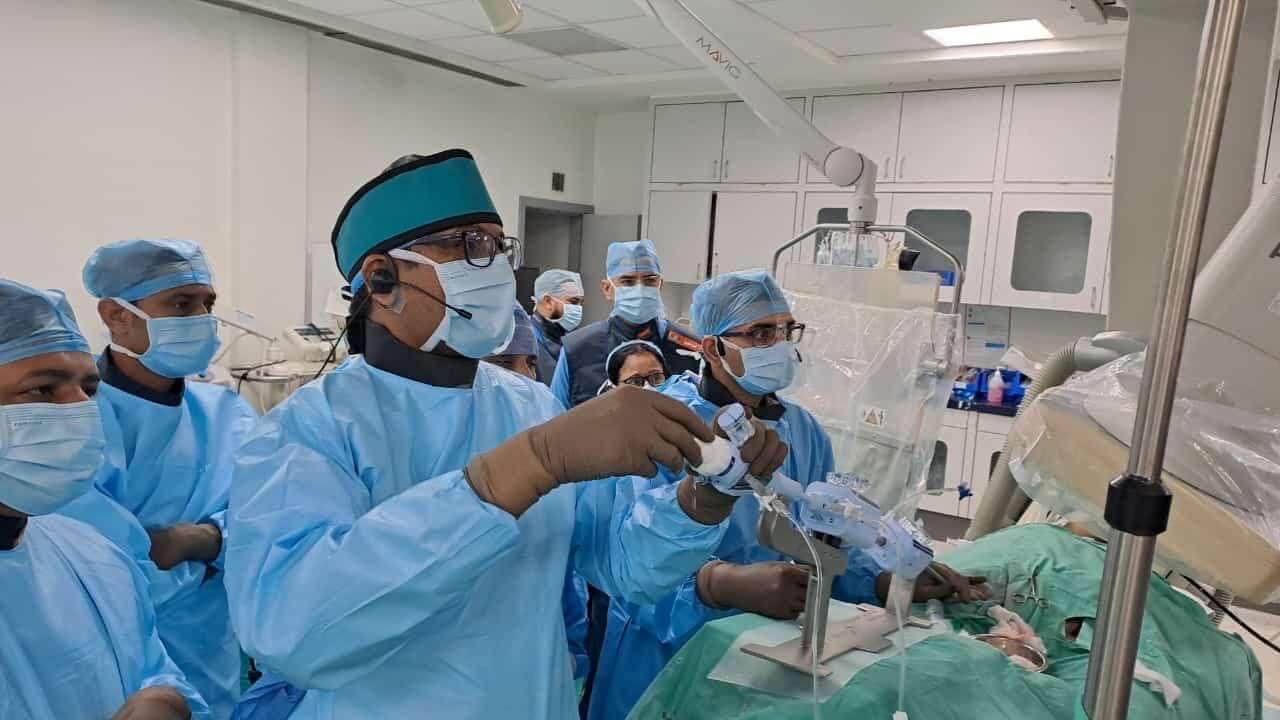
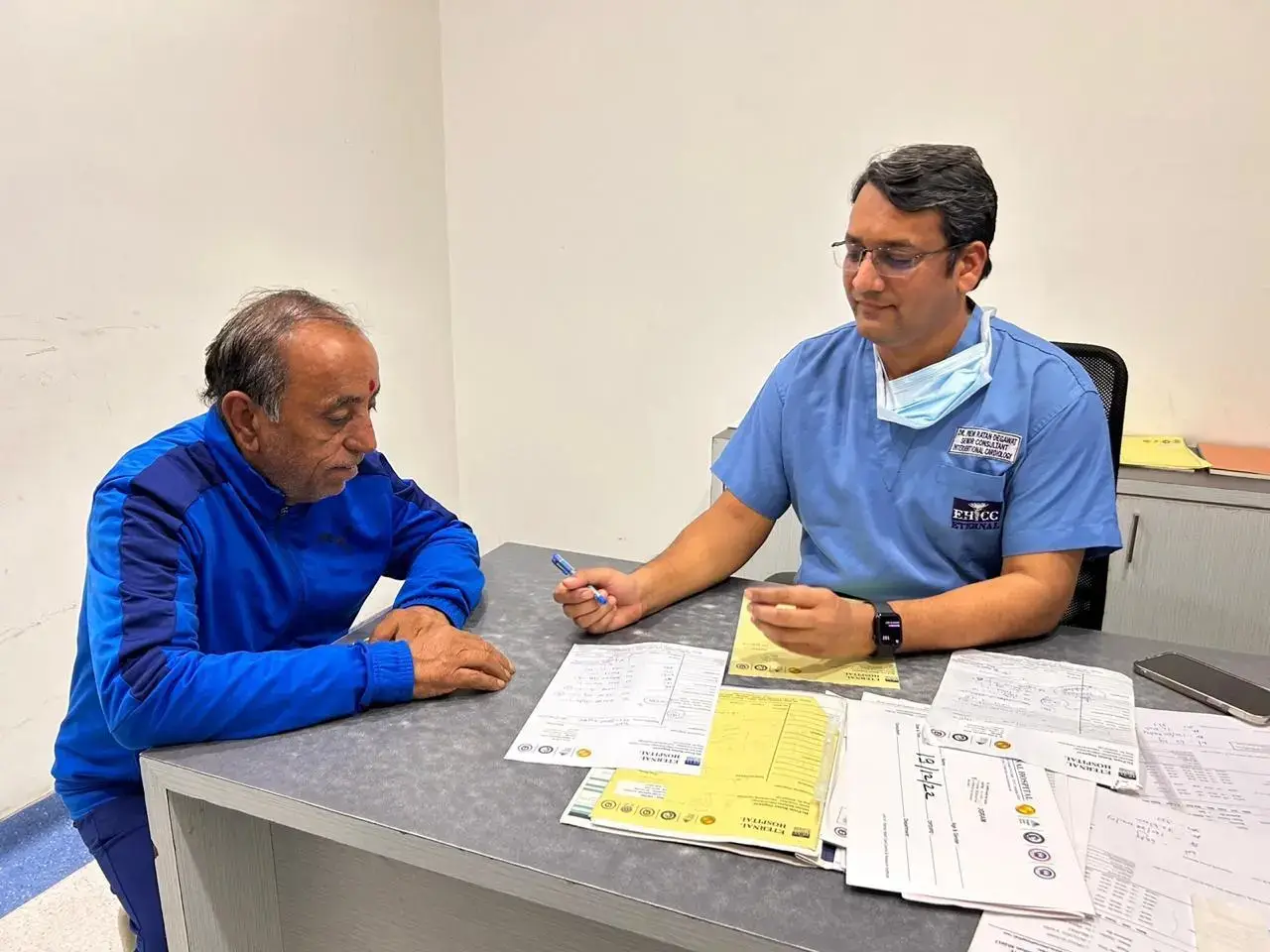
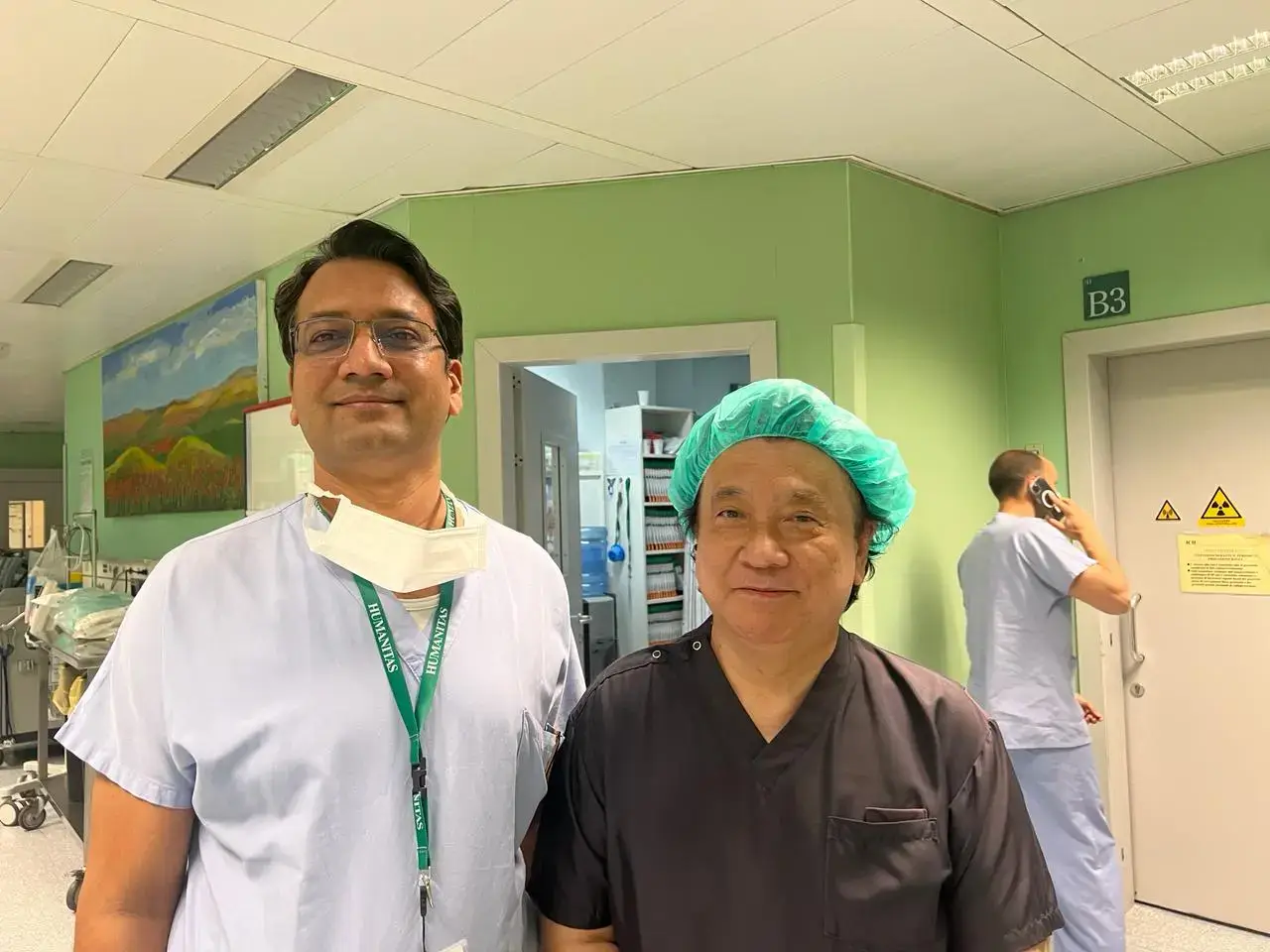
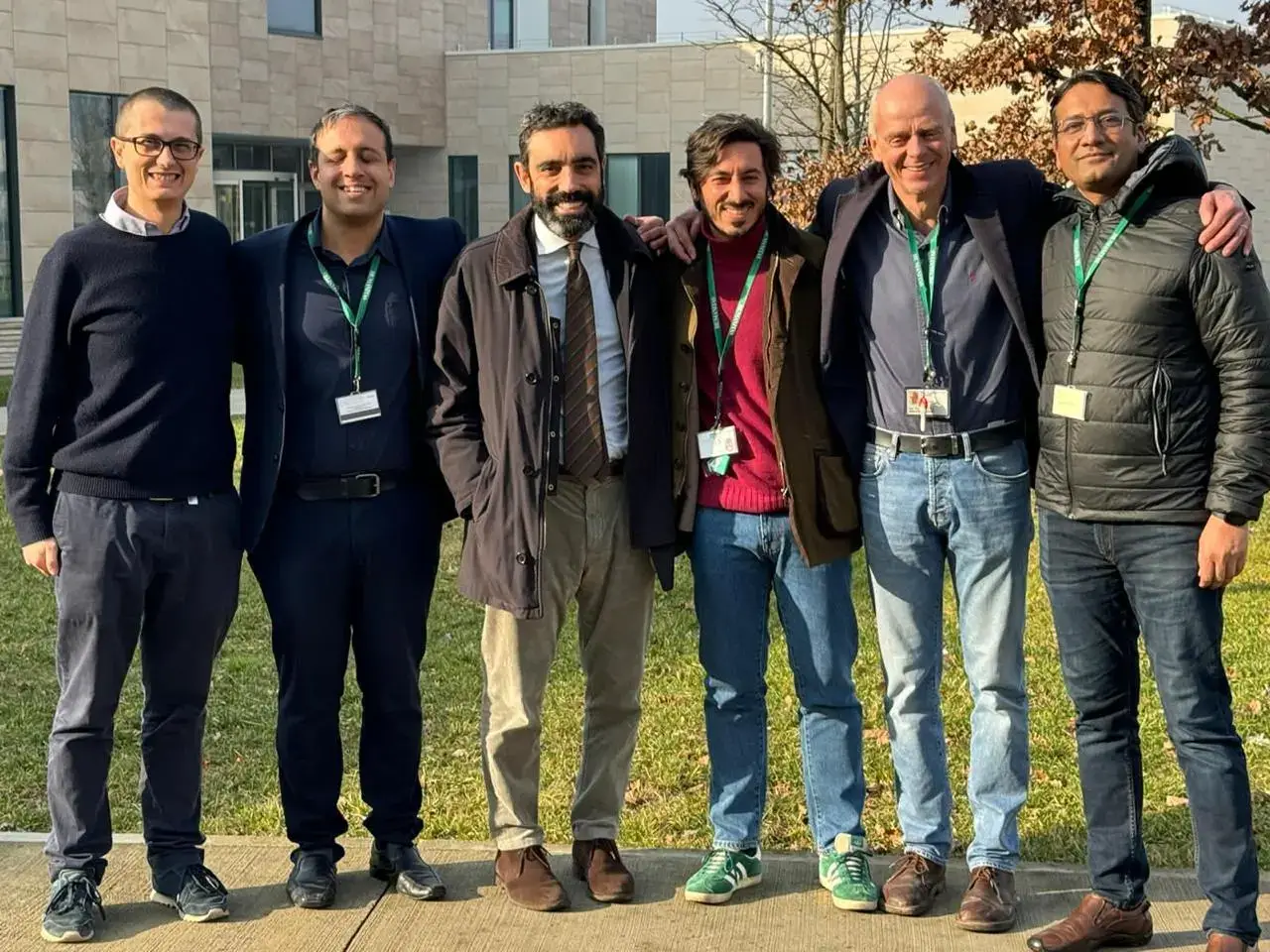
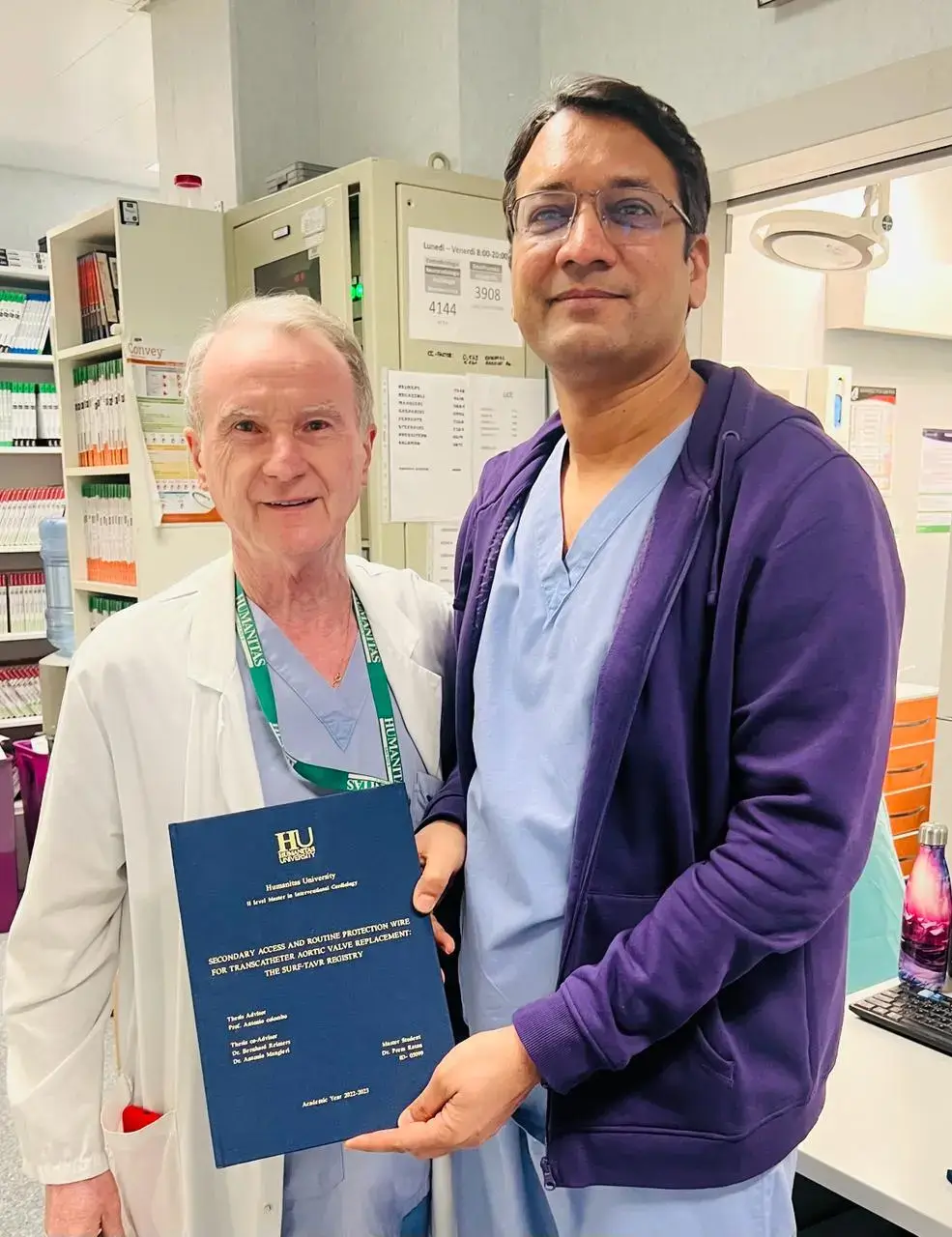
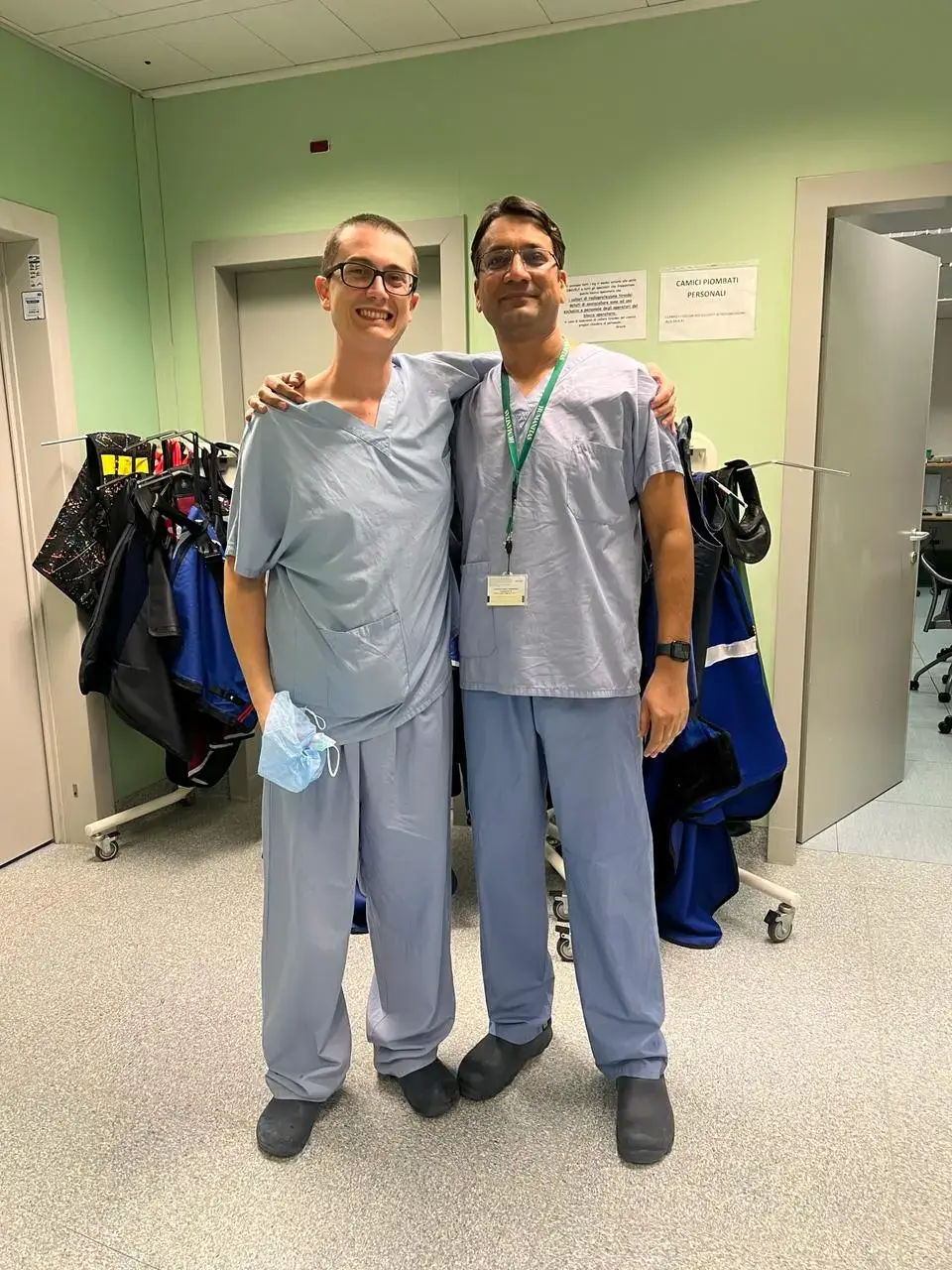
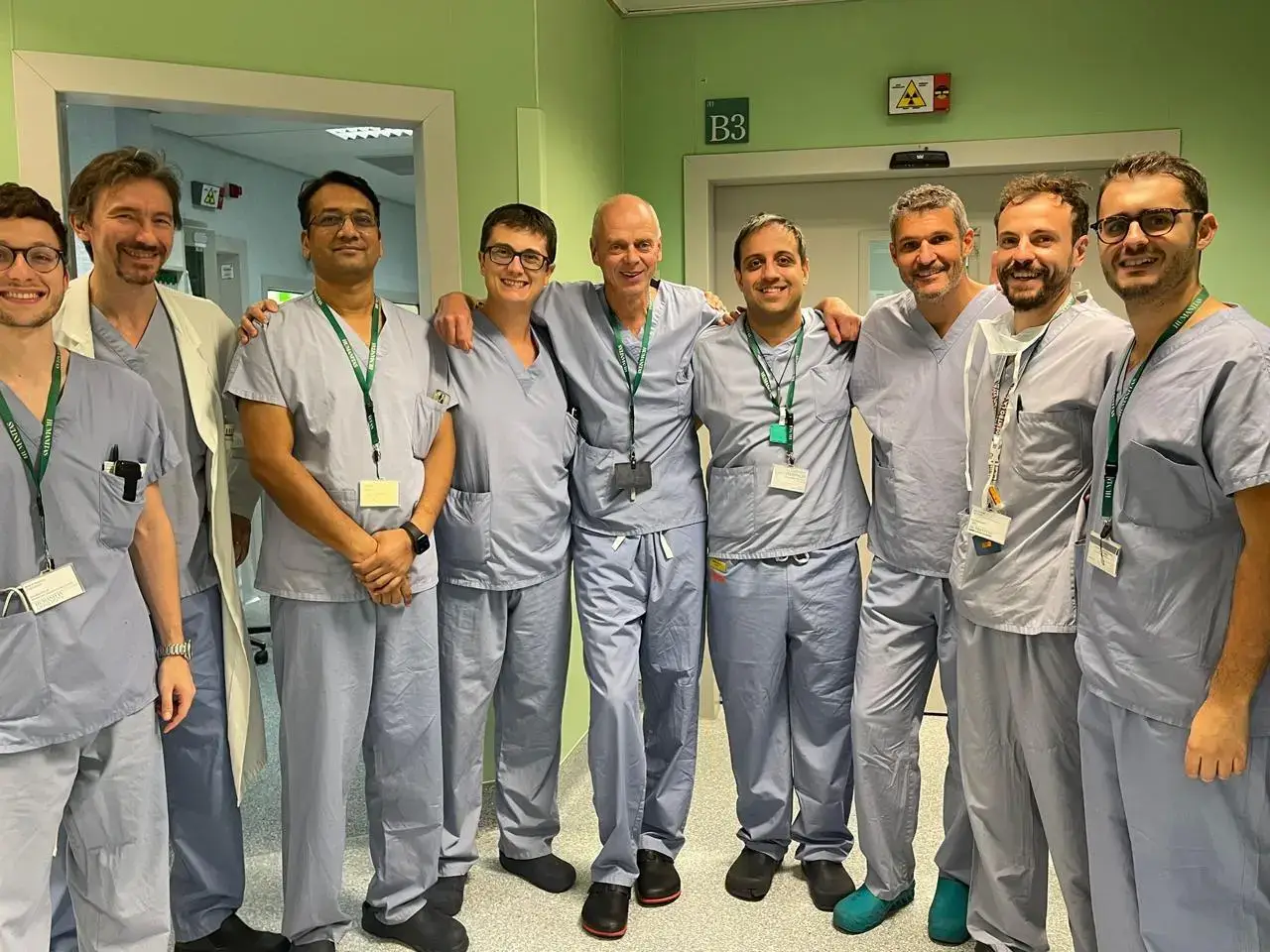
Dr. Prem Ratan Degawat is a senior interventional cardiologist in Jaipur who specialises in structural heart disease. He is Associate Director of the TAVR and Structural Heart Disease Program at Eternal Hospital and has performed more than 600 TAVI procedures, including bicuspid, valve-in-valve, and TAVR-in-TAVR cases.
He completed his DM in Cardiology at King George’s Medical University, Lucknow, and trained in advanced structural heart intervention at IRCCS Humanitas in Italy. He is among a small number of cardiologists in India certified in TAVI, MitraClip, TRI-Clip, and TMVR procedures.
Dr. Degawat is known for explaining conditions and options in plain language, so patients and families can decide with confidence.
Consultation details:
- Hospital: Eternal Hospital, 3A Jagatpura Road, Near Jawahar Circle, Jaipur 302017
- OPD: Monday to Saturday, 10:00 AM to 4:00 PM
- Clinic: 6/384, In front of Railway Headquarter, Sector 6, Malviya Nagar, Jaipur, Rajasthan 302017
- Contact: +91-8960594076
FAQs:
How long does a TAVI valve last?
Current 10-year data shows most TAVI valves are still working well, with about 90% of patients free from valve failure at 10 years in the NOTION trial and real-world registries. Longer 20-year data does not exist yet because TAVI is newer than that.
Does a TAVI valve last as long as a surgical valve?
In the only randomised 10-year comparison, the NOTION trial, TAVI durability was at least as good as a surgical tissue valve, with lower severe deterioration in the TAVI group. Your anatomy and age matter more than the TAVI-versus-surgery label.
What happens when a TAVI valve wears out?
In many cases we place a new valve inside the old one, called valve-in-valve TAVI, without repeat open heart surgery. This safety net is a key reason younger patients can now consider TAVI.
Is TAVI durability a problem for younger patients?
It needs planning, not avoidance. For patients under 65, we choose the first valve with future valve-in-valve options in mind. It is a genuine heart-team decision, so discuss it in detail.
How often should I get a check-up after TAVI?
An echocardiogram every year is essential, along with a visit at one month and one year. Yearly scans catch early valve wear before you feel symptoms, when we have the most treatment options.
What is structural valve deterioration?
It is the slow stiffening or leaking of the valve over years. Most cases are mild and only need monitoring. Only a small share ever progress to needing the valve replaced.
Where can I get long-term TAVI follow-up in Jaipur?
Dr. Prem Ratan Degawat provides TAVI follow-up at Eternal Hospital, Jaipur, Monday to Saturday, 10 AM to 4 PM. Patients from outside Jaipur can often do scans locally and share the reports. Call +91-8960594076.