Medically reviewed by Dr. Prem Ratan Degawat, MD, DM (Cardiology)
Senior Interventional Cardiologist · Director, Mitral & Tricuspid Valve Therapy · Associate Director, TAVR & Structural Heart Disease Program, Eternal Hospital, Jaipur
Last updated on Jun 21, 2026 · View LinkedIn profile
You have been told your aortic valve is failing. The doctor says you need a new valve. Now comes the question that worries most patients and their families: do you need open heart surgery, or can it be done with the newer TAVI procedure?
This is one of the most important decisions in cardiac care today. The answer depends on your age, health condition, and the findings in your echo and CT report. This guide explains both options clearly so you can ask the right questions at your next consultation.
TAVI vs open heart surgery India 2026 is not just a medical debate. It is a practical question that affects how long you stay in hospital, how quickly you get back to your daily life, and what risks you take along the way.
What Is TAVI and What Is Open Heart Valve Surgery?
TAVI stands for Transcatheter Aortic Valve Implantation. It is also called TAVR (Transcatheter Aortic Valve Replacement). In this procedure, the cardiologist replaces your damaged aortic valve through a thin tube inserted into an artery in your groin. No chest is cut open. No heart-lung bypass machine is used in most cases.
Open heart surgery for aortic valve replacement is called SAVR (Surgical Aortic Valve Replacement). The surgeon opens the chest by cutting through the breastbone, stops the heart, and replaces the valve under direct vision.
Both procedures achieve the same goal: a new, working aortic valve. The difference lies in how they get there.
Side-by-Side Comparison: TAVI vs Open Heart Surgery
| Factor | TAVI | Open Heart Surgery (SAVR) |
|---|---|---|
| Incision | Small puncture in groin (usually) | Full chest opening, breastbone cut |
| Anaesthesia | General or conscious sedation | General anaesthesia only |
| Heart-lung bypass | Not required in most cases | Required |
| Hospital stay | 2 to 5 days | 7 to 14 days |
| ICU time | 1 to 2 days | 2 to 5 days |
| Return to walking | 1 to 2 days after procedure | 5 to 7 days after procedure |
| Return to normal activity | 2 to 4 weeks | 6 to 8 weeks |
| Suitable age group | Typically 65 and above; now also intermediate and selected low-risk | Any surgical candidate, usually under 70 preferred for tissue valves |
| Blood transfusion risk | Lower | Higher |
| Stroke risk | 1 to 2% | 1 to 3% |
| Valve durability at 10 years | Data still maturing; 85 to 90% function well | Well established at 85 to 95% for tissue valves |
| Pacemaker requirement | 5 to 15% depending on valve type | Less than 5% |
| Typical total cost | Rs 15 lakh to Rs 30 lakh (device, complexity, hospital dependent) | Lower than TAVI; request written estimate |
Note: Costs vary by valve type, implant brand, and individual patient complexity.
Who Is Not a Good Candidate for Open Heart Surgery in India?
Many patients referred to Dr. Prem Ratan Degawat in Jaipur are elderly, frail, or carry conditions that make open surgery very risky. Surgeons use a scoring system called the STS score or EuroSCORE to measure surgical risk.
High-risk patients include those who:
- Are above 75 to 80 years of age
- Have already had one open heart surgery before
- Have severe lung disease (COPD)
- Have kidney disease or liver disease
- Have a porcelain aorta (calcium deposits in the main artery that make it unsafe to clamp)
- Are very frail or malnourished
In India, many patients come to a cardiologist late. By the time they get a diagnosis, their overall health has already declined. For these patients, open surgery carries a mortality risk that can range from 5% to 15% or more. TAVI brings that risk down significantly.
Intermediate-risk patients also benefit from TAVI. These are patients who would survive surgery but face a meaningful chance of complications. For them, TAVI offers similar valve outcomes with less physical trauma.
What Does the 2025 and 2026 Evidence Say?
The most important shift in cardiology over the last two years is this: TAVI is no longer reserved only for the very old or very sick.
Long-term trial data from major studies now shows that TAVI outcomes at 5 years are comparable to surgery in intermediate-risk patients. In high-risk patients, TAVI consistently outperforms surgery in terms of survival and quality of life.
For low-risk patients below the age of 65, surgery is still generally preferred because of concerns about valve durability over 20 to 30 years. However, in selected low-risk patients above 65, many international guidelines now consider TAVI an acceptable first choice.
TAVI recovery time in India has also improved. With newer valve systems and better operator experience, most patients at experienced centres are walking within 24 to 48 hours and going home within 3 to 5 days.
Valve Durability at 5 to 10 Years: What Indian Patients Should Know
One concern patients raise is: “Will the TAVI valve last as long as a surgical valve?”
This is a fair question. SAVR valves have decades of data behind them. TAVI valves are newer, and 10-year data is still being collected globally.
What we know so far:
- At 5 years, TAVI valves show excellent function in the large majority of patients.
- At 8 to 10 years, structural valve deterioration can occur in a minority of cases.
- If a TAVI valve does fail in future, it can often be treated with a second TAVI procedure (called Valve-in-Valve TAVI) without surgery.
For Indian patients above 70, this is rarely a concern. A valve that lasts 10 to 15 years covers most of the expected life span in that age group. For patients in their 50s or 60s, the Heart Team weighs this question carefully before recommending TAVI.
Dr. Prem Ratan Degawat has performed over 600 TAVI procedures, including complex Valve-in-Valve cases. He has the training and experience to advise patients on long-term valve planning.
TAVI Is Not the “Easy Option”: It Is the Right Option for the Right Patient
A common misconception is that families choose TAVI because they want to avoid the risks of open surgery. While that is partly true, the decision is more specific than that.
TAVI is not a shortcut. It requires precise sizing from a CT scan, careful selection of the right valve model, and a skilled operator to deploy it accurately. A poorly planned TAVI can lead to valve leakage, stroke, or pacemaker dependency.
At Eternal Hospital Jaipur, no patient goes to TAVI without a full Heart Team evaluation. This includes the interventional cardiologist, a cardiac surgeon, an anaesthetist, and an imaging specialist. The team reviews the echo, CT, blood reports, and surgical risk score together.
The decision is not “TAVI is easier, so we choose that.” The decision is “based on this patient’s profile, which option gives the best outcome with the least risk.”
The Heart Team Approach at Eternal Hospital Jaipur
Internationally, valve disease treatment follows what is called the Heart Team model. No single doctor decides alone. The case is discussed by a group of specialists who together arrive at the best recommendation.
Dr. Degawat leads this process for structural heart cases in Jaipur. When you bring your echo and CT scan for consultation, the team asks:
- What is your surgical risk score?
- Is your anatomy suitable for TAVI delivery?
- What is the best valve size and type for your anatomy?
- Do you have other heart or health conditions that affect the choice?
- What are your personal goals, home situation, and recovery capacity?
This approach protects patients from receiving the wrong treatment. It also ensures that families understand the reasoning behind the recommendation.
You are part of that conversation. You are not handed a decision. You are walked through it.
Cost Comparison: TAVI vs Open Heart Surgery in Jaipur
TAVI is a specialised procedure involving an imported valve device. Typical total costs range from Rs 15 lakh to Rs 30 lakh, depending on the hospital, device choice, and case complexity. Always request a detailed, written estimate before proceeding.
TAVI costs more than open heart surgery primarily because of the valve device itself. However, the shorter hospital stay and faster recovery often reduce total expenses related to caregiving, lost income, and post-surgery support.
Under the Mukhyamantri Chiranjeevi Swasthya Bima Yojana, eligible Rajasthan residents can claim significant coverage for cardiac procedures at empanelled hospitals. Ayushman Bharat (PM-JAY) also covers valve replacement procedures under its cardiac surgery packages.
Patients should ask specifically at the time of consultation whether their Jan Aadhaar card or Ayushman Bharat card is valid for the recommended procedure.
For a full breakdown of TAVI costs and insurance coverage, see our related guide: TAVI Cost in Jaipur: Complete Breakdown with Insurance and Scheme Coverage.
About Dr. Prem Ratan Degawat
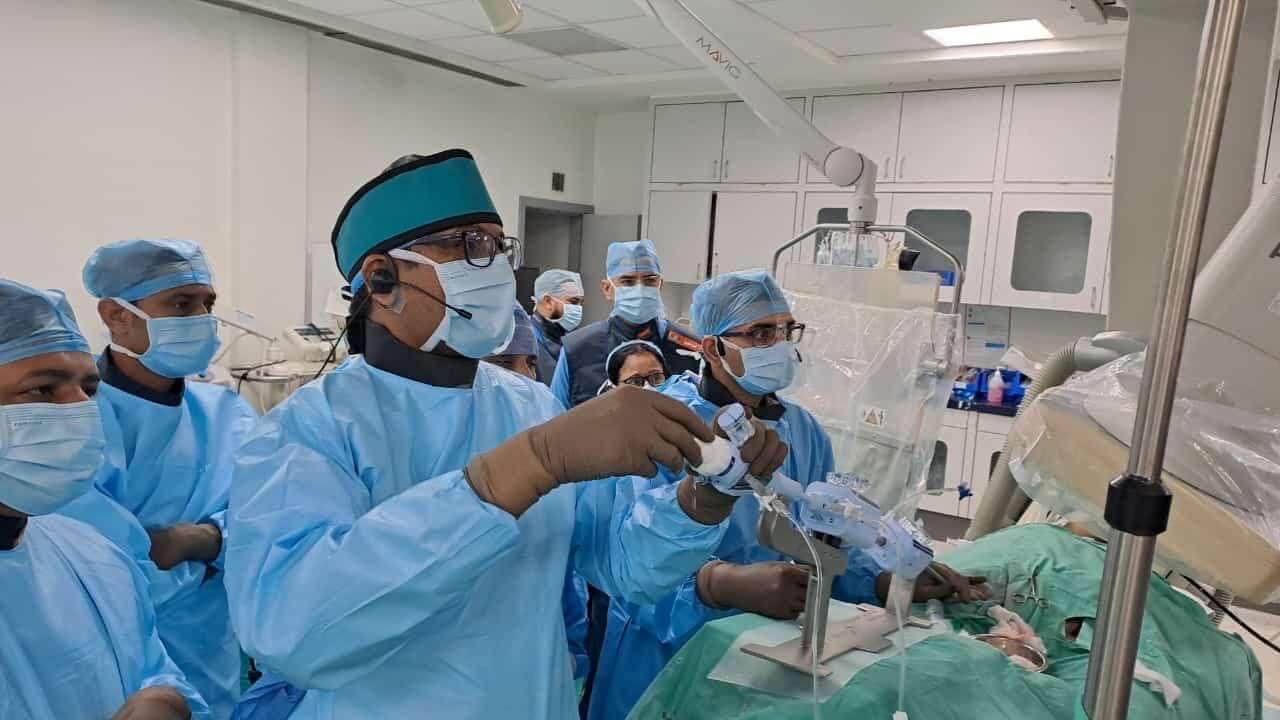
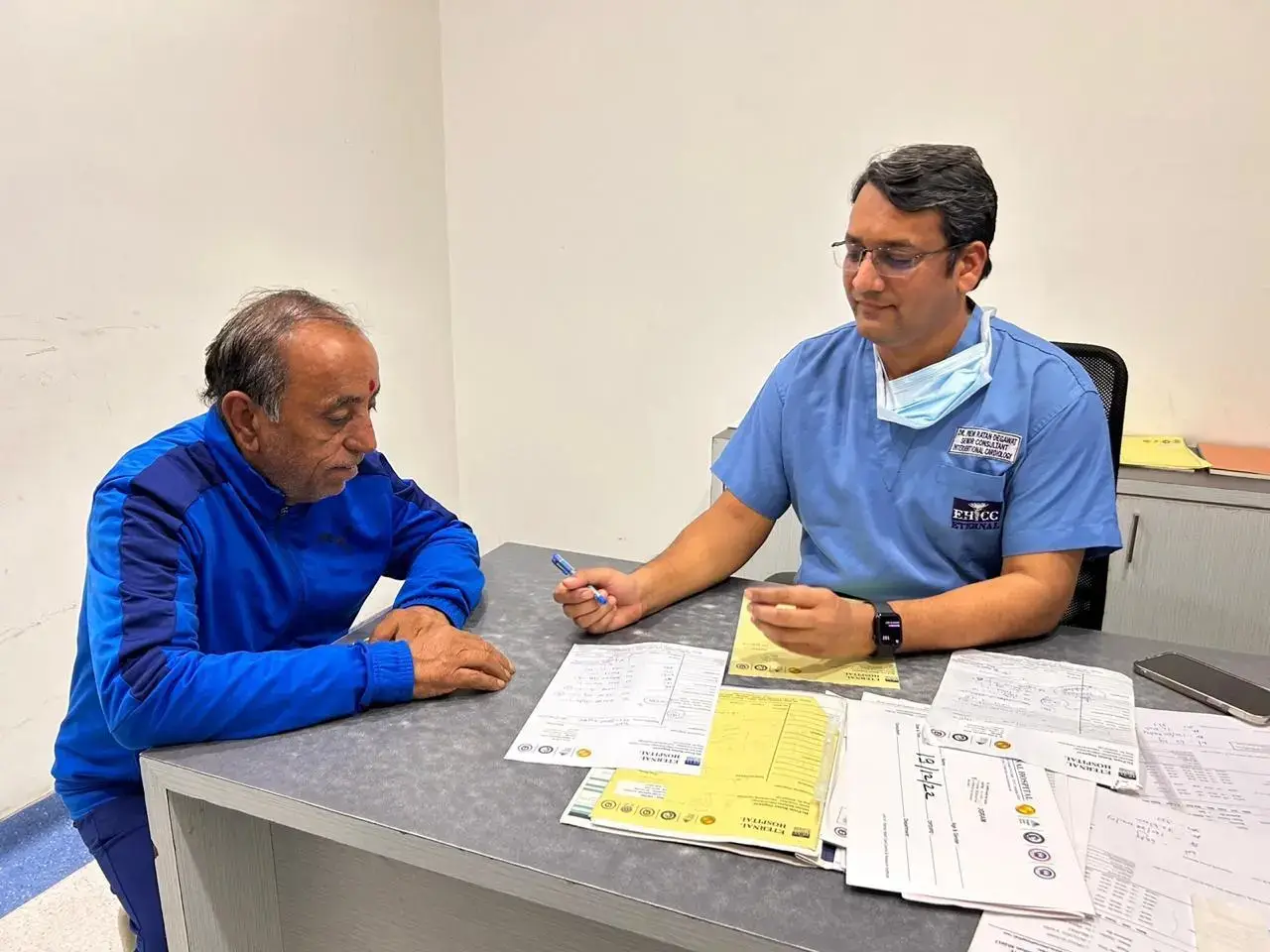
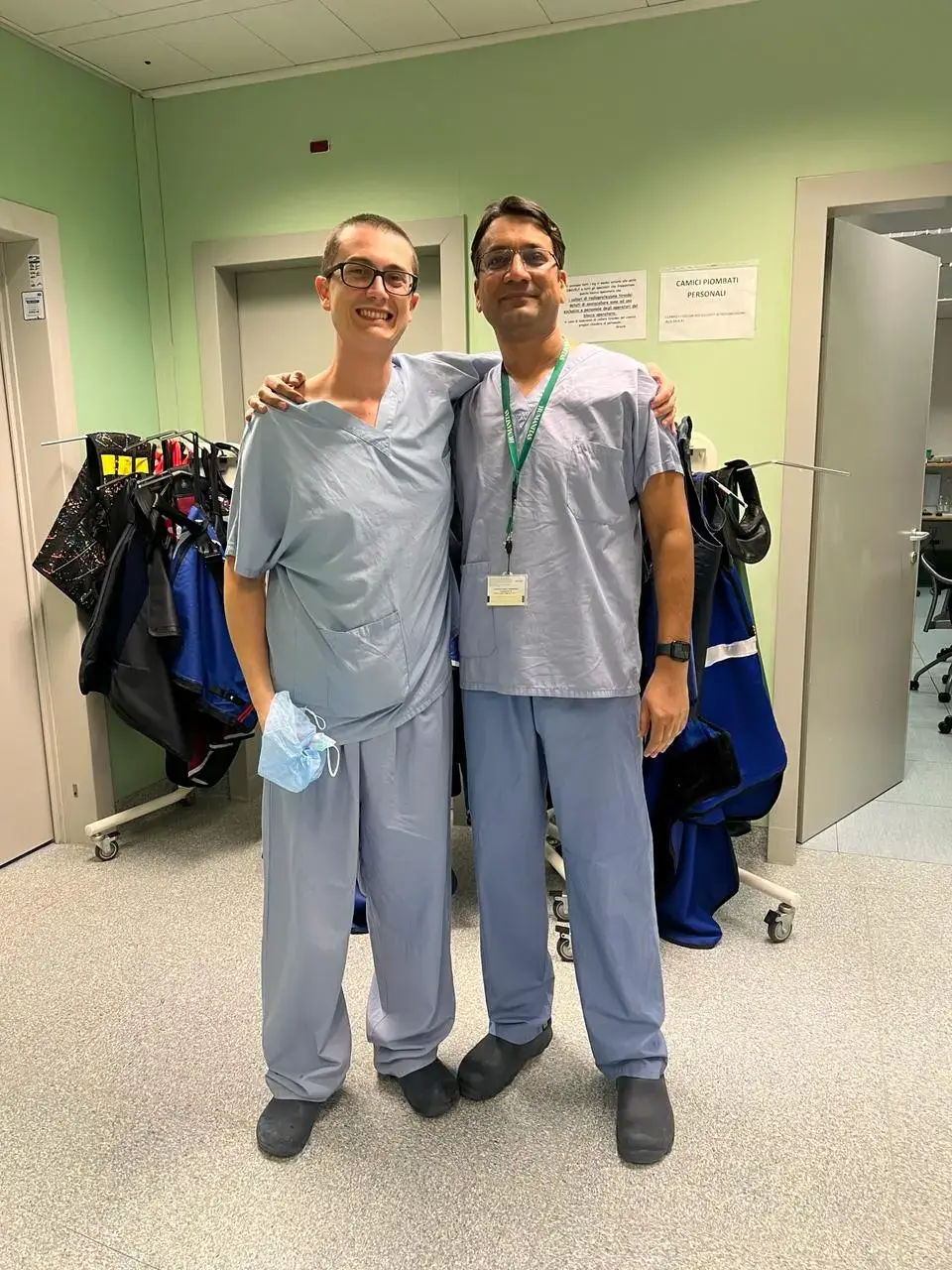
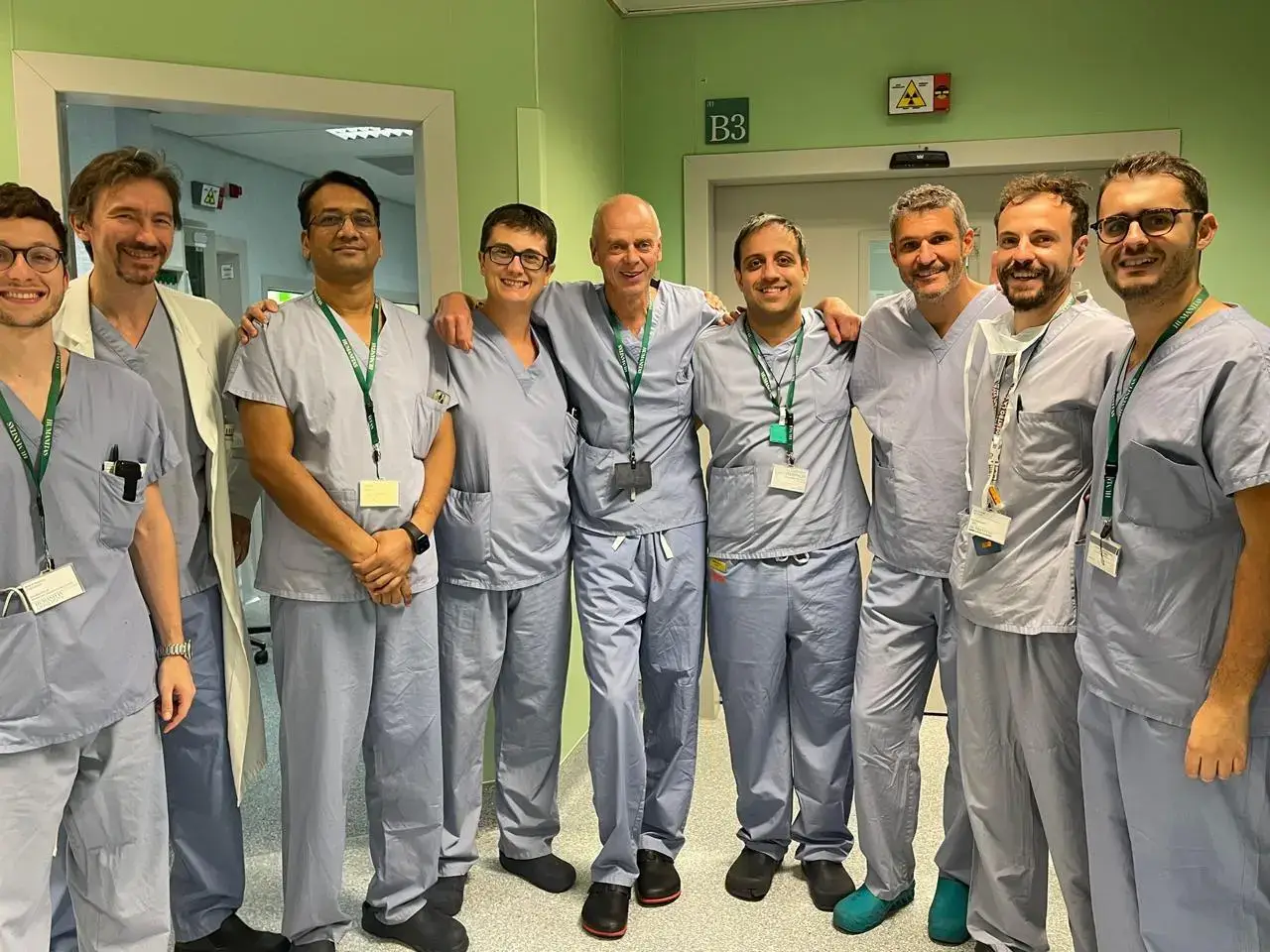
Dr. Prem Ratan Degawat is Associate Director of the TAVR and Structural Heart Disease Program at Eternal Hospital Jaipur. He is among a small group of cardiologists in India trained in the full range of structural heart procedures including TAVI, MitraClip, TRI-Clip, TMVR, and TTVR.
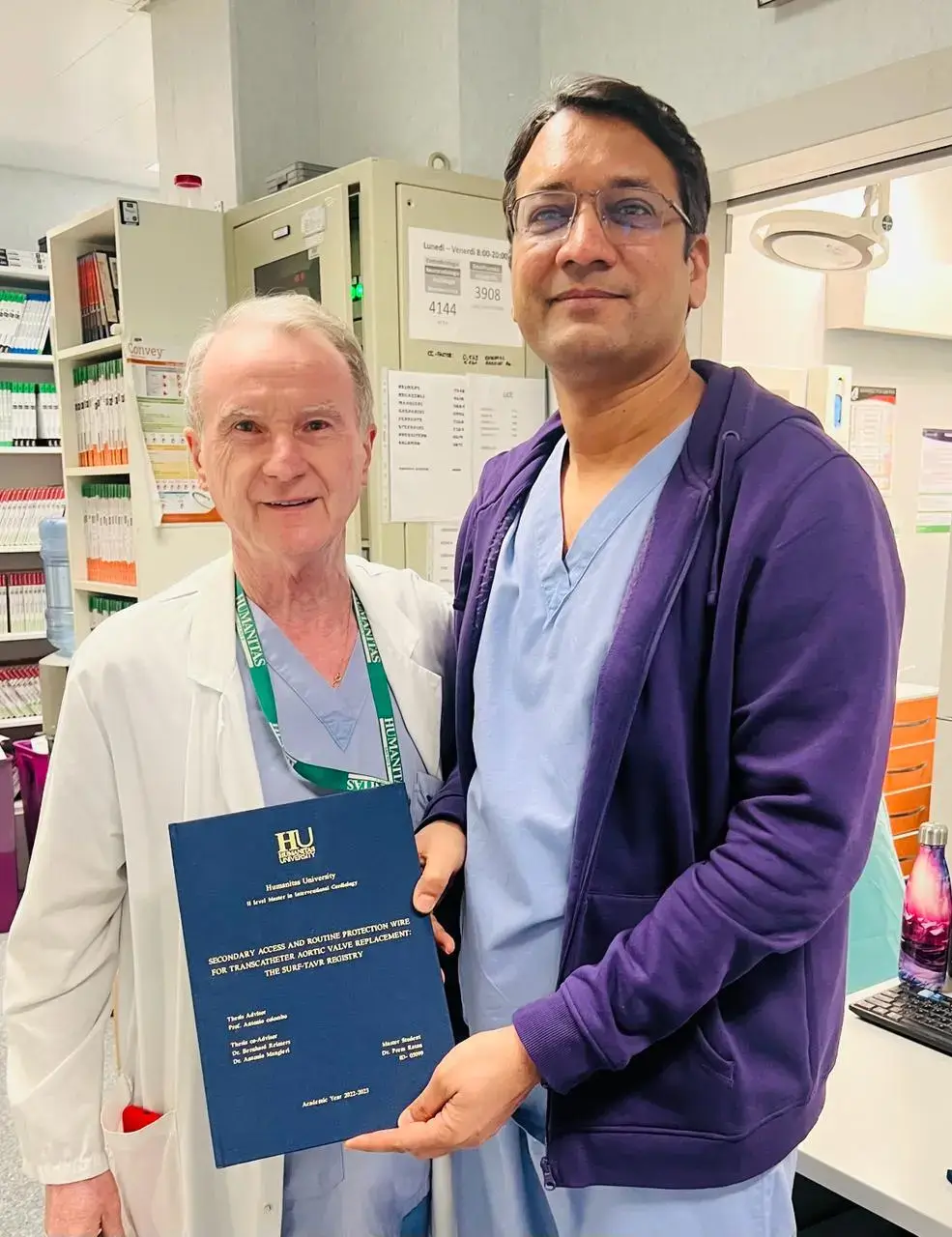
He completed his DM in Cardiology from King George’s Medical University, Lucknow, and received advanced structural heart training at IRCCS Humanitas Research Hospital in Italy. He has conducted research across 2,000+ TAVI cases in Europe and has performed over 600 TAVI procedures in India, including complex Bicuspid Valve and Valve-in-Valve cases.
Patients and families often mention that Dr. Degawat takes time to explain things clearly. He does not rush consultations. He answers questions from families, not just patients, because he understands that major heart decisions involve the whole household.
Consultation Details:
- Hospital: Eternal Hospital, 3A Jagatpura Road, Near Jawahar Circle, Jaipur 302017
- OPD Timings: Monday to Saturday, 10:00 AM to 4:00 PM
- Clinic: 6/384, In front of Railway Headquarter, Sector 6, Malviya Nagar, Jaipur, Rajasthan 302017
- Contact: +91-8960594076
FAQs:
Q1: What is the main difference between TAVI and open heart surgery for aortic valve replacement?
TAVI replaces the valve through a small tube in the groin without opening the chest. Open heart surgery requires cutting the breastbone and using a heart-lung bypass machine. TAVI patients go home in 3 to 5 days; surgery patients typically stay 10 to 14 days.
Q2: How long is TAVI recovery time in India compared to open surgery?
Most TAVI patients in India walk within 1 to 2 days and return to light activity within 2 to 4 weeks. After open heart surgery, full recovery takes 6 to 8 weeks. The shorter TAVI recovery is one of its biggest advantages for elderly and frail patients.
Q3: Is TAVI now approved for low-risk patients in India?
International guidelines from 2024 to 2026 support TAVI as an option for selected low-risk patients above 65. In India, the decision is made case by case by the Heart Team based on anatomy, age, and patient preference. It is not automatically recommended for all low-risk patients.
Q4: How long do TAVI valves last in Indian patients?
Most TAVI valves function well for 8 to 12 years. Data beyond 10 years is still being collected. For patients above 70, a TAVI valve typically covers their expected cardiac life span. If the valve does deteriorate, a second valve can often be placed inside the first one without surgery.
Q5: Is TAVI covered under Chiranjeevi Yojana or Ayushman Bharat in Rajasthan?
Aortic valve replacement procedures including TAVI are covered under several government schemes at empanelled hospitals. Eligible patients can claim benefits using their Jan Aadhaar card (Chiranjeevi Yojana) or Ayushman Bharat card. Confirm specific package coverage at the time of your consultation in Jaipur.
Q6: What tests do I need to bring before a TAVI consultation in Jaipur?
Bring your most recent echocardiogram (echo report), a CT scan of the chest and aorta if available, and your blood test reports. If you have had a coronary angiogram, bring that report too. Dr. Degawat reviews all of these to determine whether TAVI or surgery is the better option.
Q7: Can a patient who has already had open heart surgery get TAVI?
Yes. Previous open heart surgery often makes a second surgery very high risk. In these cases, TAVI becomes the preferred option and is sometimes the only safe option. Dr. Degawat has specific experience with Valve-in-Valve TAVI for patients who need a repeat valve procedure.
Q8: Why should I consult Dr. Prem Ratan Degawat for TAVI in Jaipur?
Dr. Degawat has performed over 600 TAVI procedures, including complex cases that many centres do not handle. He follows a Heart Team model for every decision, which means you receive a multi-specialist recommendation, not a single opinion. His training in Italy under some of Europe’s leading structural heart specialists gives him access to techniques and experience that are rare in Rajasthan.