Medically reviewed by Dr. Prem Ratan Degawat, MD, DM (Cardiology)
Senior Interventional Cardiologist · Director, Mitral & Tricuspid Valve Therapy · Associate Director, TAVR & Structural Heart Disease Program, Eternal Hospital, Jaipur
Last updated on Aug 19, 2026 · View LinkedIn profile
If you are reading this from Rohtak or Ludhiana or south Delhi, you have probably already been told your parent needs an aortic valve replaced, and someone has suggested Jaipur. The practical questions come next. How long will we be away from home. What do we send before we travel. Where does the attendant sleep. What does the whole thing cost once travel is counted. And the question nobody asks out loud: is this trip even a good idea.
This page answers those in order. It is written for families coming to Eternal Hospital in Jagatpura, Jaipur, Rajasthan, from outside the state, and it includes an honest section on when you should stay home and have the procedure done locally instead.
Why families travel to Jaipur for a heart valve at all
Three reasons come up again and again in our outpatient department.
The first is volume. Structural heart work is a procedure where practice shows in the results, and the 2020 ACC/AHA valve guideline explicitly recommends that these interventions happen at centres that do enough of them and report their outcomes. Dr. Degawat has done over 600 TAVI procedures, including bicuspid valves, valve-in-valve cases and TAVR inside a previous TAVR. Those are the cases that get turned away elsewhere.
The second is the Heart Team. The same guideline asks for a joint decision between an interventional cardiologist, a cardiac surgeon and an imaging specialist rather than one doctor deciding alone. That structure exists at Eternal and it is why some patients who arrive expecting TAVI leave with a recommendation for surgery, or for waiting.
The third is cost. A TAVI in Jaipur generally lands below what the same valve and the same procedure cost in a Delhi or Mumbai corporate hospital. For a family paying out of pocket, the difference is usually larger than the entire travel budget.
Send the reports before you send the patient
This is the single most useful thing in this article, so it goes early.
Do not put an eighty-year-old in a car for six hours to find out whether the procedure is even possible. Send the reports first and get an opinion on them. Almost every case we accept from outside Rajasthan starts that way.
What to send, as clear photographs or PDFs:
- The echocardiogram report, with the images on a CD or drive if you have them
- The CT angiogram if one has been done, images included, not just the printed summary
- Any coronary angiography report
- Recent blood work, including kidney function
- The ECG
- A list of current medicines, photographed as the actual strips
- A one-page summary of what other doctors have already advised, and what they said no to
The images matter more than the reports. A radiologist’s summary tells us the valve is severely narrowed. The actual CT images tell us the annulus measurement, the calcium pattern and whether the femoral arteries will take the delivery system, which is what decides whether the trip is worth making. Our page on getting a second opinion on heart surgery covers what a good second opinion should give you back.
You should get one of three answers: come for assessment, this needs surgery rather than TAVI, or this can be managed where you are.
What the first visit covers
Assume the first trip is an outpatient visit, not an admission. OPD runs Monday to Saturday, 10:00 AM to 4:00 PM.
The consultation reviews everything you sent, examines the patient, and usually repeats the echocardiogram on our own machine, because measurement technique varies between labs and the numbers drive the valve choice. If the CT angiogram has not been done, or was done without the protocol we need, it gets done here. That is normally the same visit or the next morning.
You leave that visit knowing whether TAVI is being offered, which valve, roughly what it will cost, and when a slot is available.
How long to plan for
For most outstation families the honest answer is seven to ten days in Jaipur, and it splits like this.
One to two days for the consultation and any repeat imaging. A gap of a few days while the Heart Team reviews and the slot is confirmed, though this can be compressed if you have travelled far. Then three to four days for the admission itself, which is the standard TAVI stay. The PARTNER 3 trial reported a median hospital stay of three days after TAVI, and our numbers sit in the same band. Then a day or two before travelling home, because we like to see the patient once after discharge before a long road journey.
Some families split it into two trips instead: come for the assessment, go home, come back for the procedure. That works well if you are within a day’s drive, from Delhi or Haryana say. It works badly from Surat, where the travel itself is the tiring part and doing it twice costs more than the extra hotel nights.
We have set out exactly what those admission days involve in our day by day guide to a TAVI admission in Jaipur.
Where attendants stay near Jagatpura
The hospital is in Jagatpura, on the Jagatpura Road near Jawahar Circle, which is the south-eastern side of Jaipur and about 20 to 25 minutes from the airport.
One attendant stays in the patient’s room overnight. Everyone else needs a bed outside. There is a range of guest houses, service apartments and hotels within a short auto ride of the hospital, across a wide price range, and the hospital’s front desk keeps a list. Book for a longer stay than you think you need and extend rather than shorten, because moving hotels mid-admission with an exhausted family is miserable.
Practical points families tell us afterwards they wish they had known: keep one person free of hospital duty to handle billing and paperwork, carry cash for small things even though the hospital takes cards, and expect Jaipur to be considerably hotter than Punjab from April to September.
What to budget beyond the procedure
TAVI itself runs in the ₹15 to ₹30 lakh band at private centres in India, and the valve is most of that figure. On top of it, an outstation family should budget for travel for two to four people, seven to ten nights of accommodation for the attendants, local transport, food, and the pre-procedure imaging if it is repeated here.
That travel and stay total is real money, but it is normally a small fraction of the valve cost, and it is often less than the price difference between Jaipur and a metro corporate hospital. Work out both totals before deciding on geography alone.
If you are covered by a scheme or a private policy, start the paperwork before you travel, not after you arrive. Pre-authorisation takes time and it is far easier to chase from home.
When you should not travel
No competitor page in this space has this section, and it is the most important one here.
Do not travel if the patient is in decompensated heart failure right now, breathless at rest or unable to lie flat. That patient needs stabilising at the nearest hospital first. A six-hour car journey in that state is dangerous and we will not accept the case until it is controlled.
Do not travel on the strength of an echo alone if the patient is frail enough that the journey itself is a risk. Send the reports, and let us tell you whether it is worth it.
Do not travel if a competent centre near you already offers the same procedure and the same valve, and the Heart Team there has agreed the plan. Distance adds nothing on its own. There is no benefit to a Jaipur postcode if the case is straightforward and the local team does enough of them.
And do not travel if the real problem is that you did not like the answer you were given. If three cardiologists have advised surgery rather than TAVI, a fourth opinion is unlikely to change the anatomy. Get the reasoning explained properly instead.
Where travel does make sense is the opposite situation: a patient turned down as too high-risk for open surgery, a complex valve, a previous valve that has failed, or a case where nobody nearby offers the procedure. Several of those stories are collected in our TAVI patient stories from north India.
Coming from your state
If you want the detail specific to where you are travelling from, we keep separate pages for TAVI and TAVR patients from Delhi, from Haryana, from Punjab and from Surat and Gujarat. The practice details and consultation options are on our TAVI and TAVR page for Jaipur and Rajasthan.
To start with a report review rather than a journey, send the documents on +91-8960594076 and ask for an opinion before you book anything.
About Dr. Prem Ratan Degawat
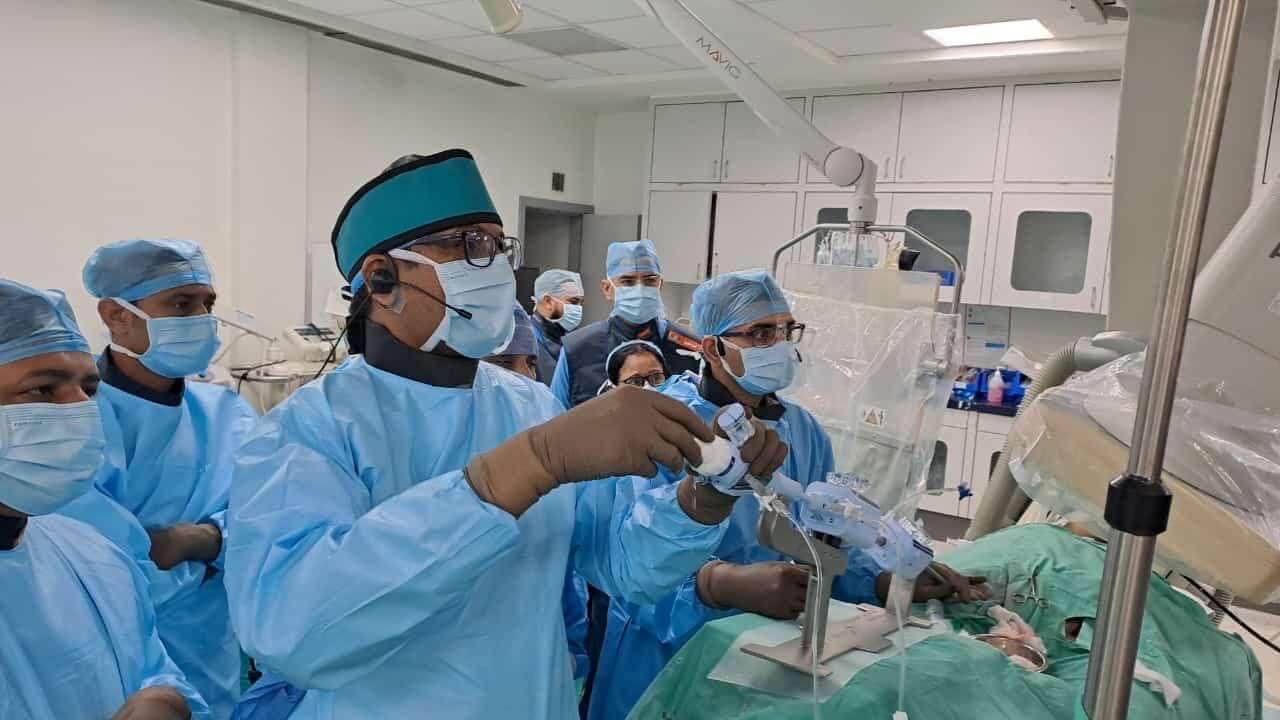
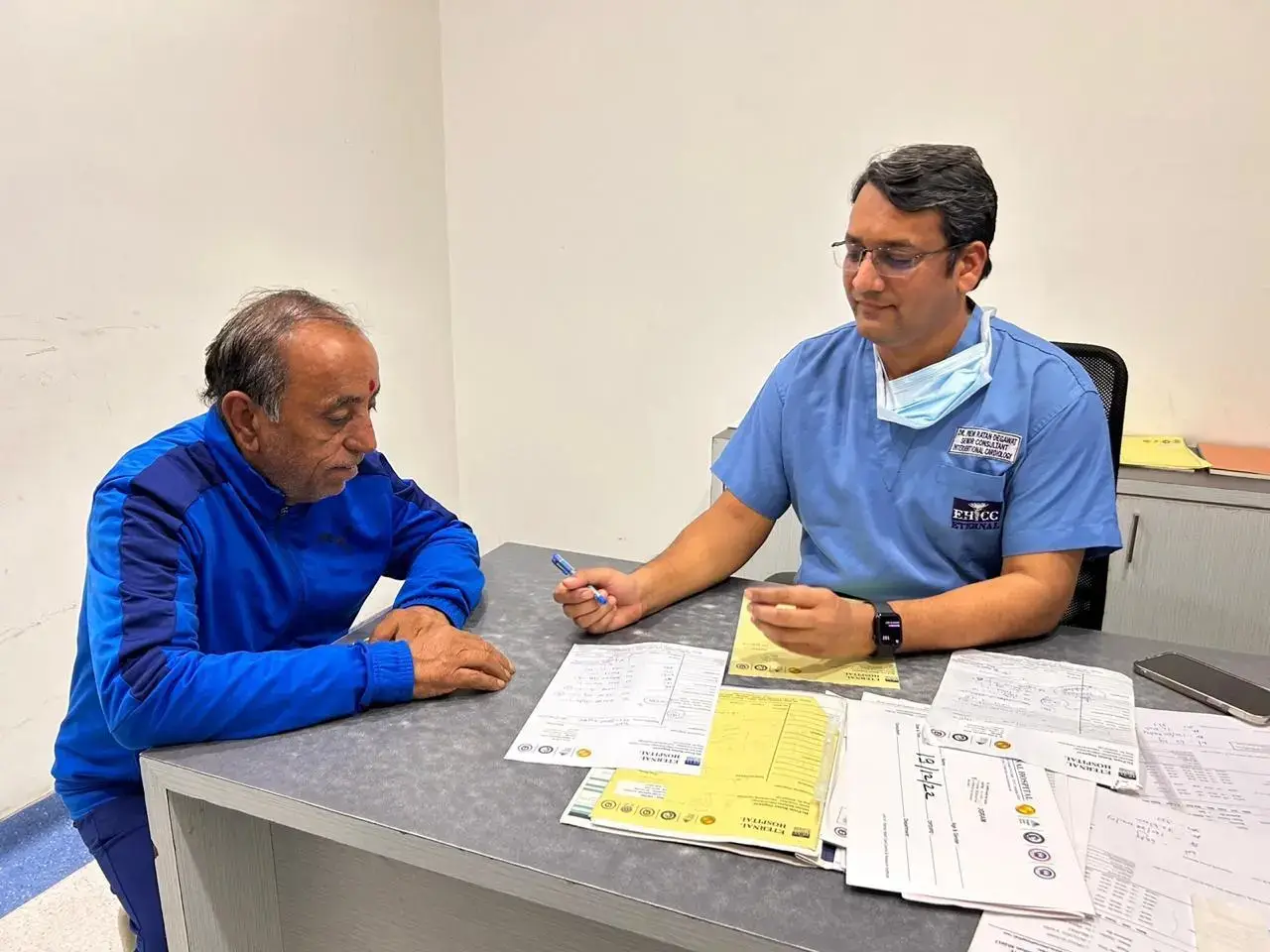
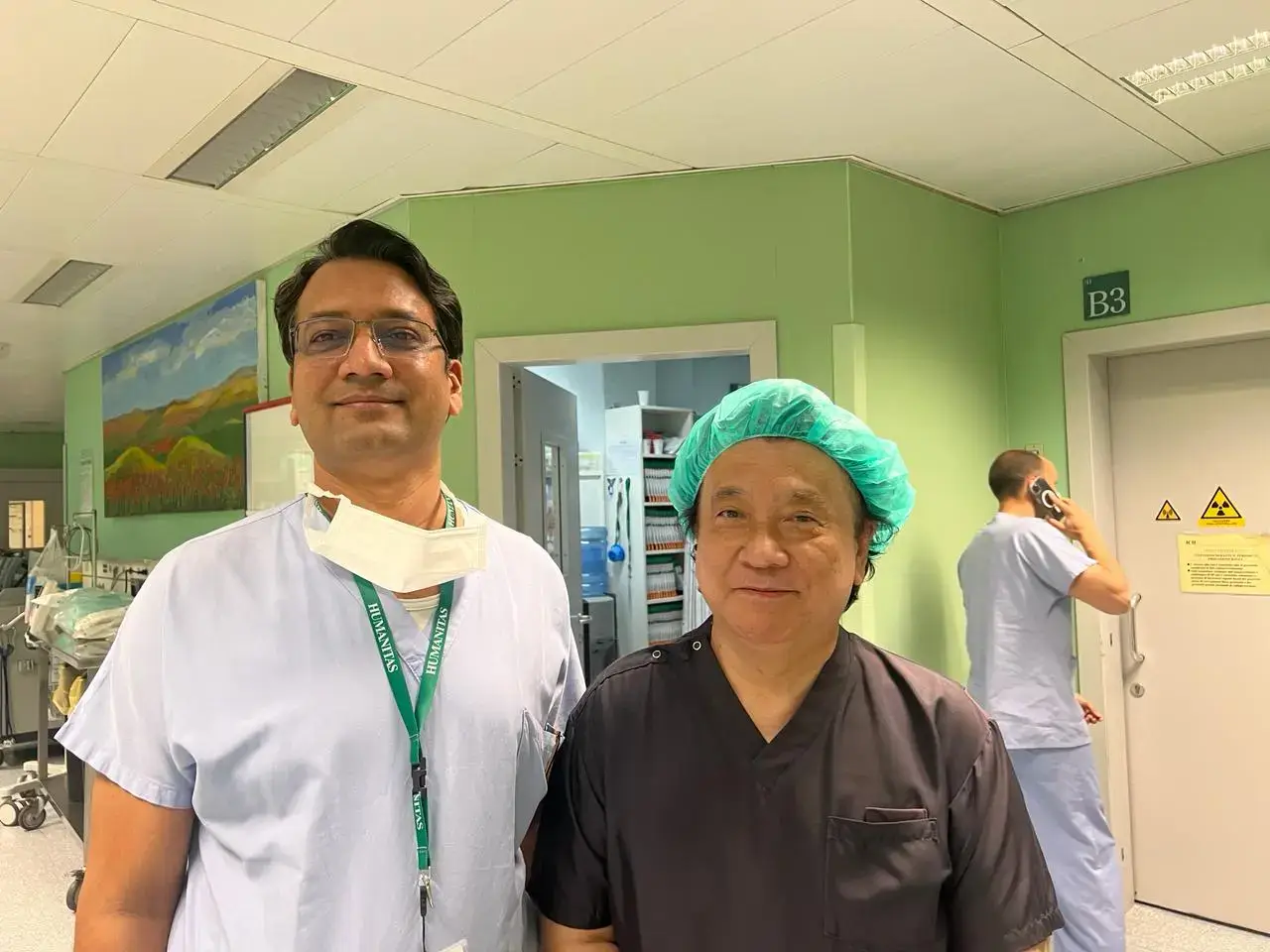
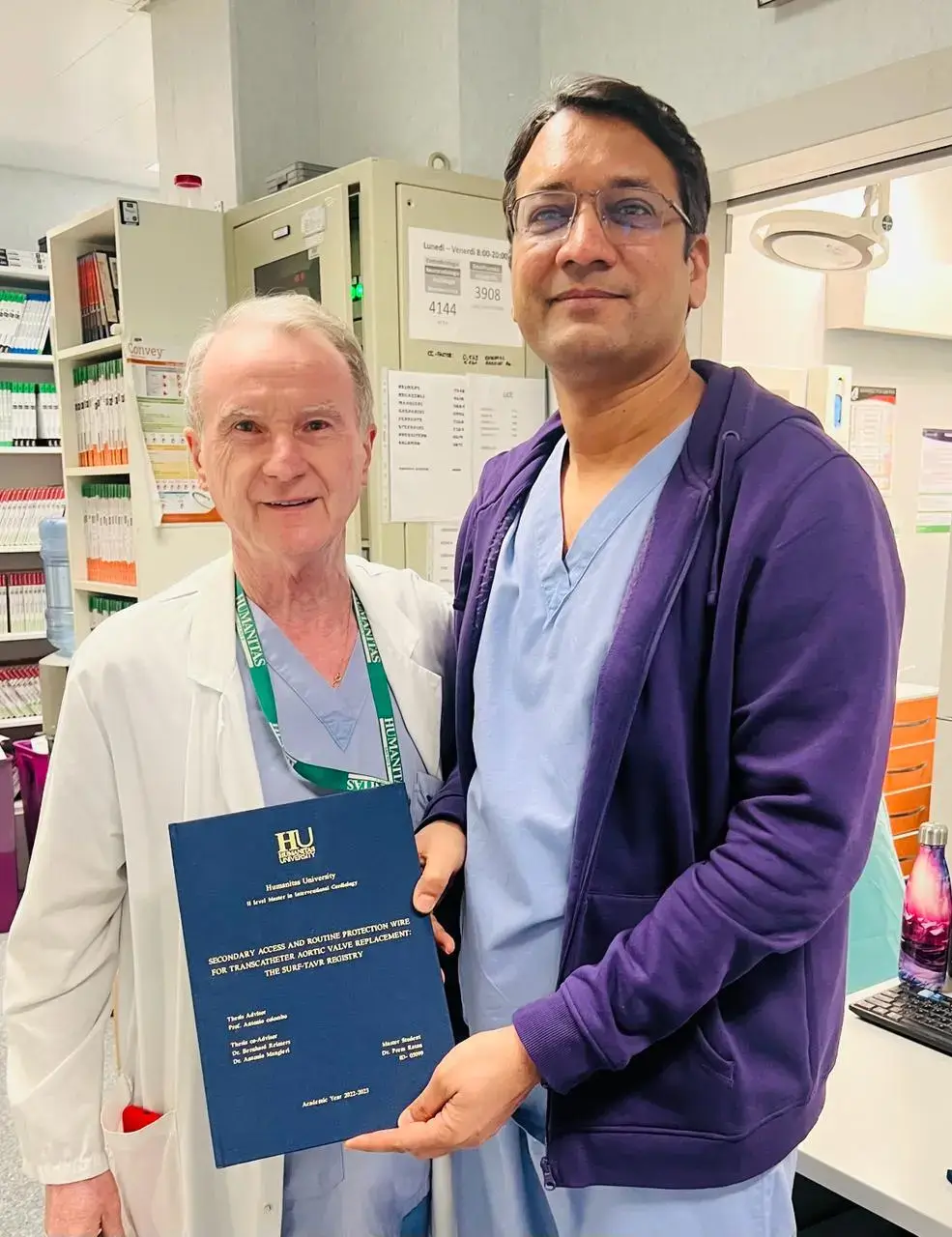
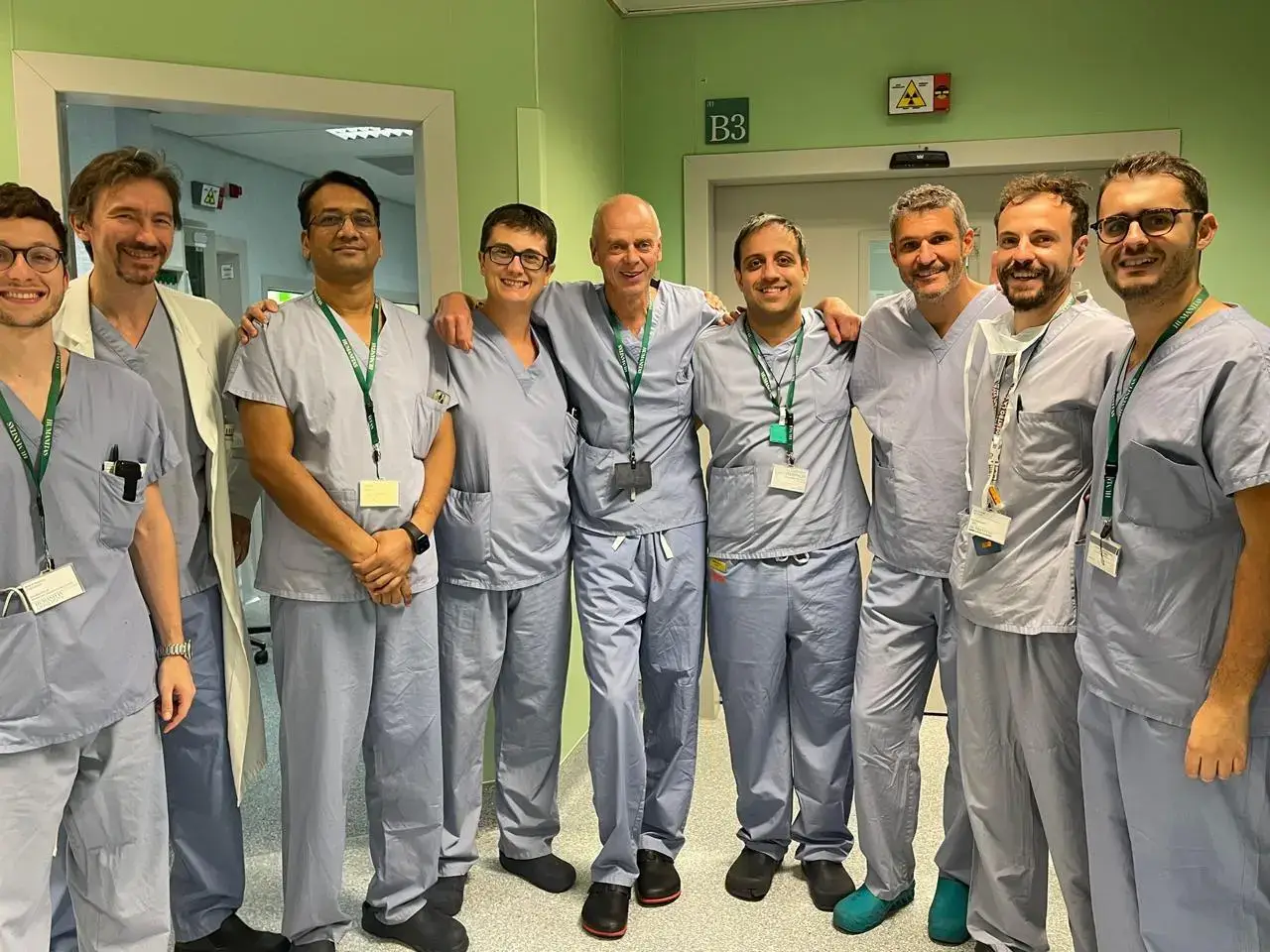
Dr. Prem Ratan Degawat is a senior interventional cardiologist in Jaipur who specialises in structural heart disease. He is Associate Director of the TAVR and Structural Heart Disease Program at Eternal Hospital and has performed more than 600 TAVI procedures, including bicuspid, valve-in-valve, and TAVR-in-TAVR cases.
He completed his DM in Cardiology at King George’s Medical University, Lucknow, and trained in advanced structural heart intervention at IRCCS Humanitas in Italy. He is among a small number of cardiologists in India certified in TAVI, MitraClip, TRI-Clip, and TMVR procedures.
Dr. Degawat is known for explaining conditions and options in plain language, so patients and families can decide with confidence.
Consultation details:
- Hospital: Eternal Hospital, 3A Jagatpura Road, Near Jawahar Circle, Jaipur 302017
- OPD: Monday to Saturday, 10:00 AM to 4:00 PM
- Clinic: 6/384, In front of Railway Headquarter, Sector 6, Malviya Nagar, Jaipur, Rajasthan 302017
- Contact: +91-8960594076
FAQs:
Can I get an opinion before travelling to Jaipur?
Yes, and you should. Send the echocardiogram, CT angiogram images, angiography report, recent bloods, ECG and a medicine list on WhatsApp to +91-8960594076. You will be told whether to come for assessment, whether surgery suits better, or whether this can be managed near you.
How many days should an outstation family plan for in Jaipur?
Seven to ten days covers most cases. That is one to two days for consultation and imaging, a short wait for the Heart Team review and slot, three to four days for the admission itself, and a day or two after discharge before a long journey home.
Where do attendants stay during a TAVI admission?
One attendant stays in the patient’s room overnight. Others use guest houses, service apartments or hotels near Jagatpura, a short auto ride from the hospital, across a wide price range. The front desk keeps a list. Book longer than you expect and extend rather than move hotels mid-admission.
Is TAVI cheaper in Jaipur than in Delhi or Mumbai?
Usually yes. TAVI runs about ₹15 to ₹30 lakh at private centres in India, and Jaipur generally sits below metro corporate hospital pricing for the same valve. For most outstation families the saving is larger than the entire travel and accommodation budget, though you should compare both totals.
When should we not travel for TAVI?
Do not travel if the patient is breathless at rest or in decompensated heart failure, as that needs stabilising locally first. Do not travel if a nearby centre already offers the same procedure with an agreed Heart Team plan. Distance adds nothing on its own.
Do we need to repeat tests done in our home city?
Often the echocardiogram is repeated here, because measurement technique varies between labs and the numbers decide the valve size. A CT angiogram is repeated only if it was not done to the protocol needed for annulus measurement. Bring images, not just printed reports.
Can the whole thing be done in one trip?
Yes, and most outstation families prefer that. Splitting into an assessment trip and a procedure trip works well within a day’s drive, from Delhi or Haryana. From Gujarat, the second journey usually costs more in money and fatigue than the extra nights in Jaipur.
What should we arrange before leaving home?
Start insurance or scheme pre-authorisation before travelling, since it is easier to chase from home. Collect all reports and imaging discs in one folder. Photograph the actual medicine strips. Decide who handles billing, and keep that person off overnight hospital duty.