Medically reviewed by Dr. Prem Ratan Degawat, MD, DM (Cardiology)
Senior Interventional Cardiologist · Director, Mitral & Tricuspid Valve Therapy · Associate Director, TAVR & Structural Heart Disease Program, Eternal Hospital, Jaipur
Last updated on April 4, 2026 · View LinkedIn profile
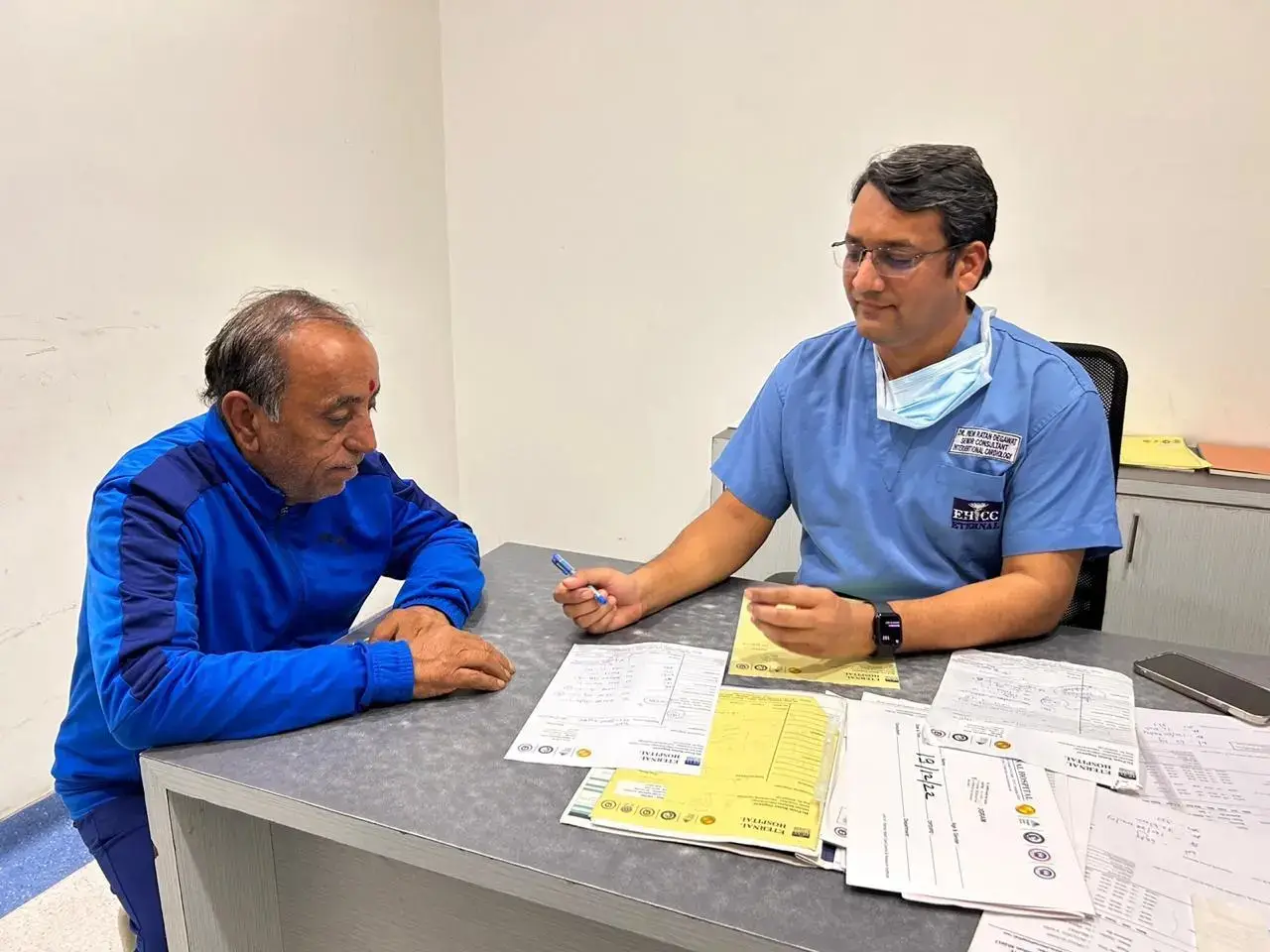
In the world of heart care, a new and exciting procedure called Transcatheter Aortic Valve Replacement (TAVR) or Transcatheter Aortic Valve Implantation (TAVI) has become a game-changer. It brings fresh hope to people with a heart condition called aortic valve stenosis who might not be strong enough for traditional open-heart surgery. If you’re in Rajasthan, and looking for a top TAVI expert, Dr. Prem Ratan Degawat stands out as a leader in this field. Dr. Degawat is renowned for his expertise in TAVI procedures, making him the go-to TAVI expert in Rajasthan.
Who is Dr. Prem Ratan Degawat?
Background and Experience:
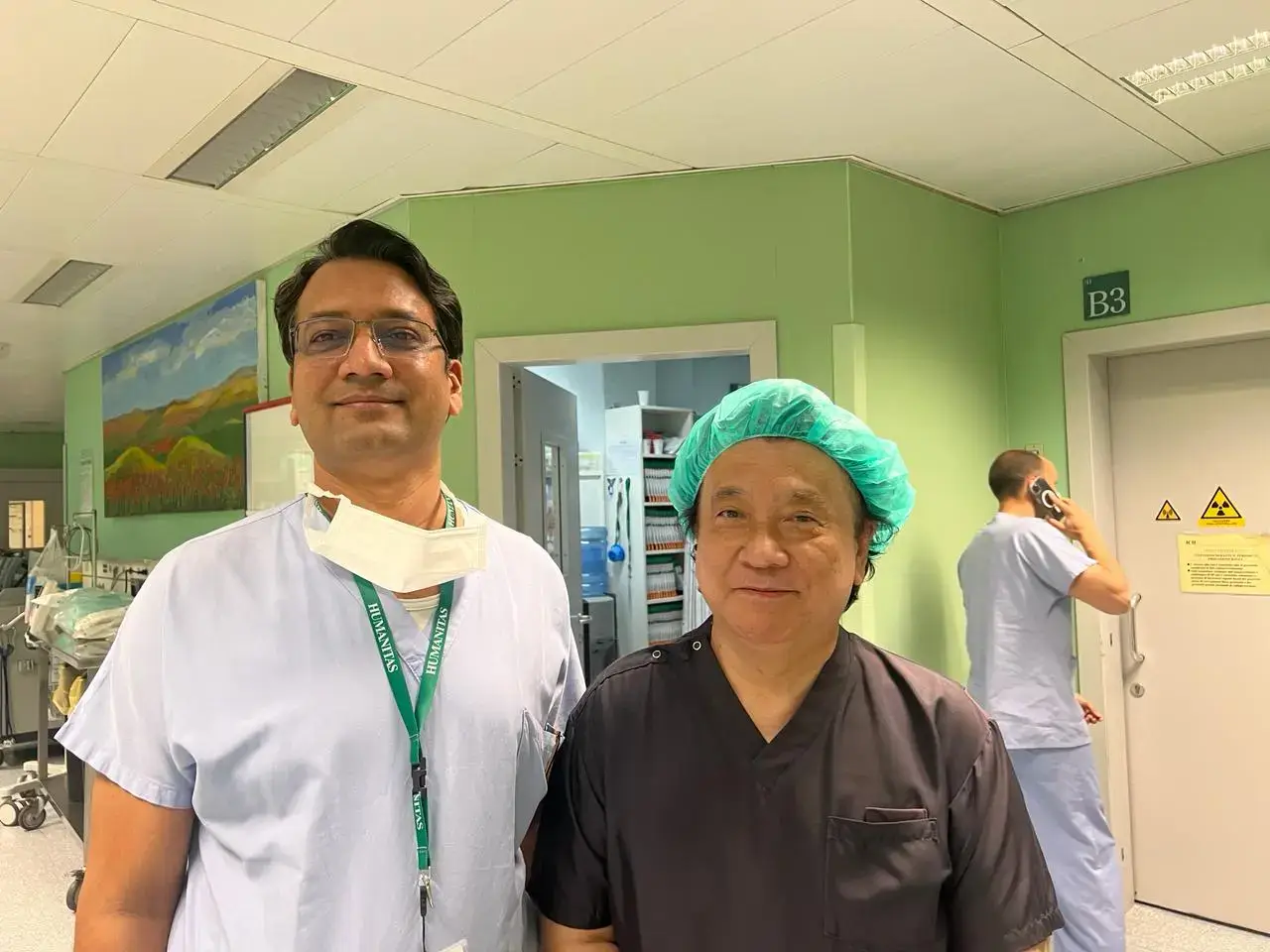
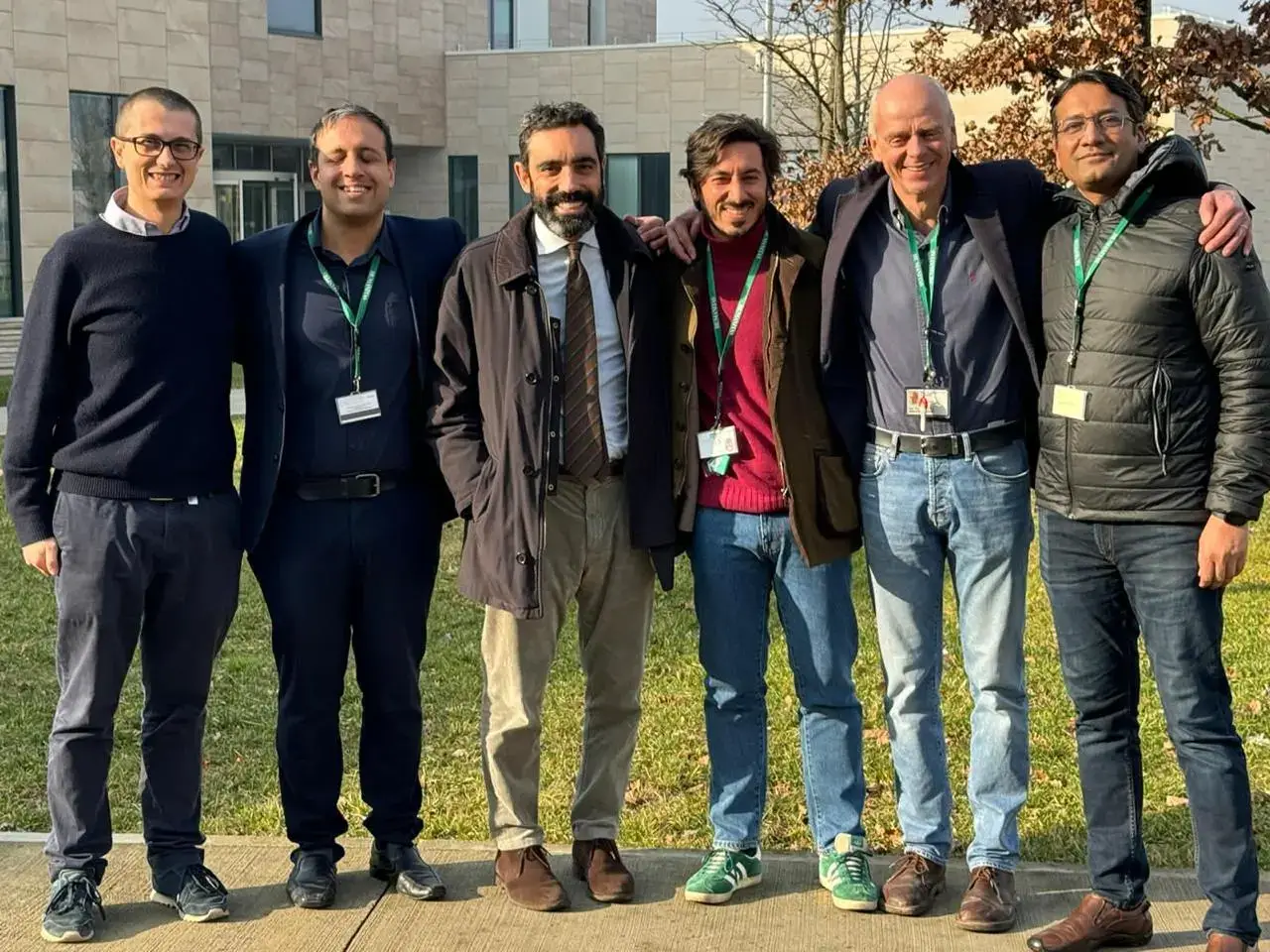
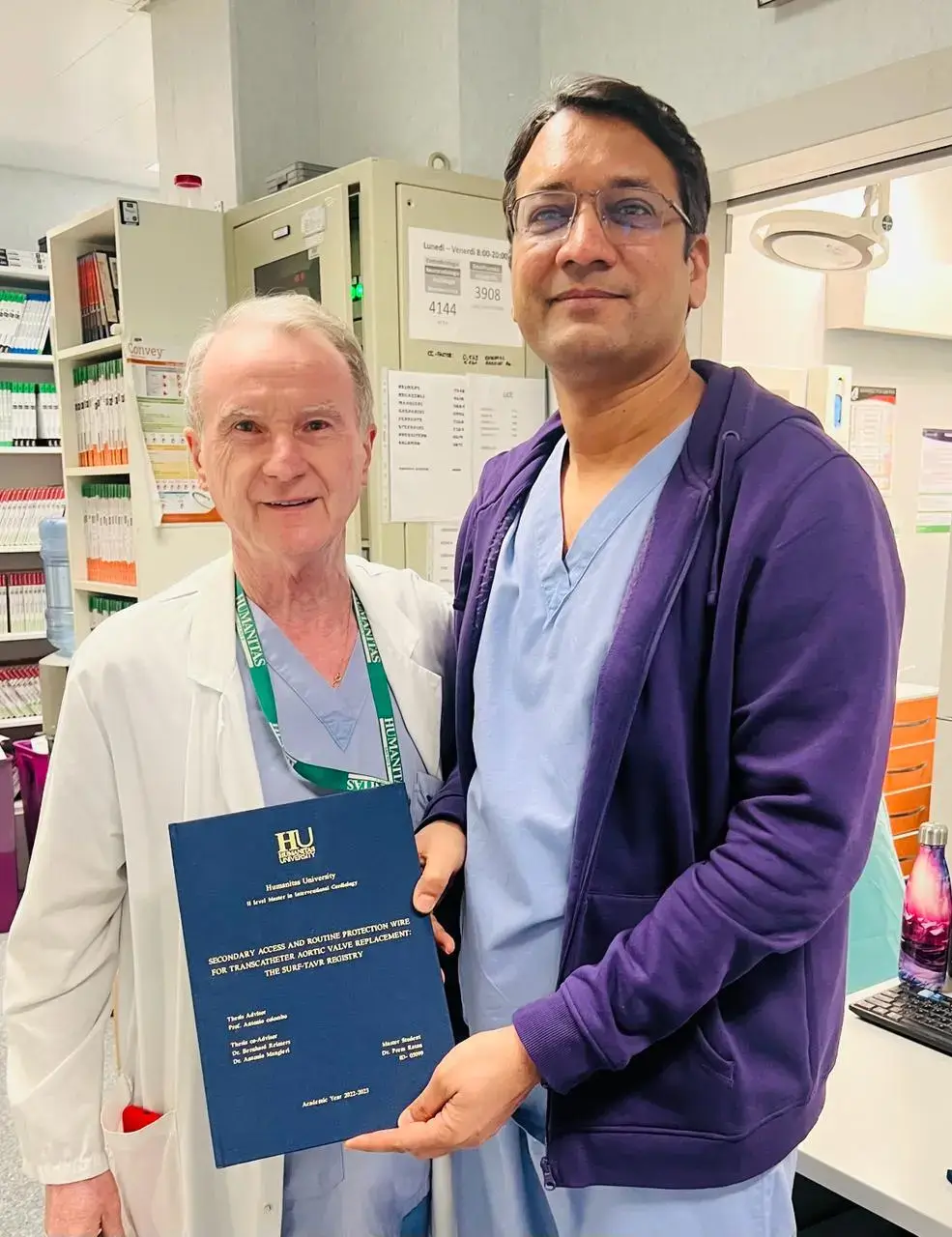
Dr. Degawat is a highly qualified doctor with a double focus: TAVI and Structural Heart Disease. He’s also a Director for Mitral & Tricuspid Valve treatments and a senior consultant in Interventional Cardiology. He has a long list of achievements – an MBBS and MD in Internal Medicine, a DM in Cardiology, and fellowships in Complex Interventional Cardiology and Structural Heart Disease & TAVR from a prestigious institute in Italy (IRCCS). He’s among the best cardiologists in Jaipur, India, trained in various heart procedures, including TAVI, mitral valve repair, and more.
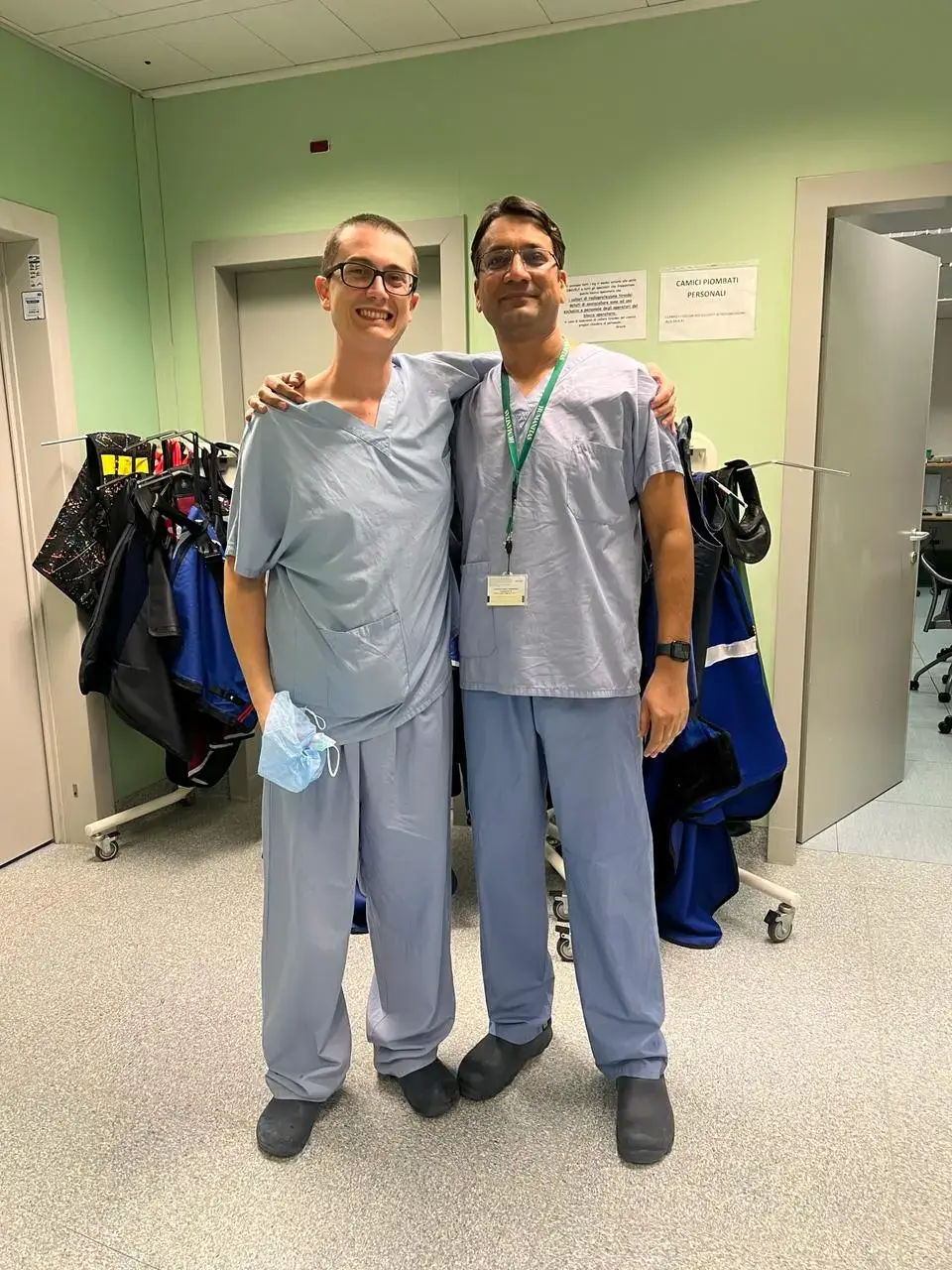
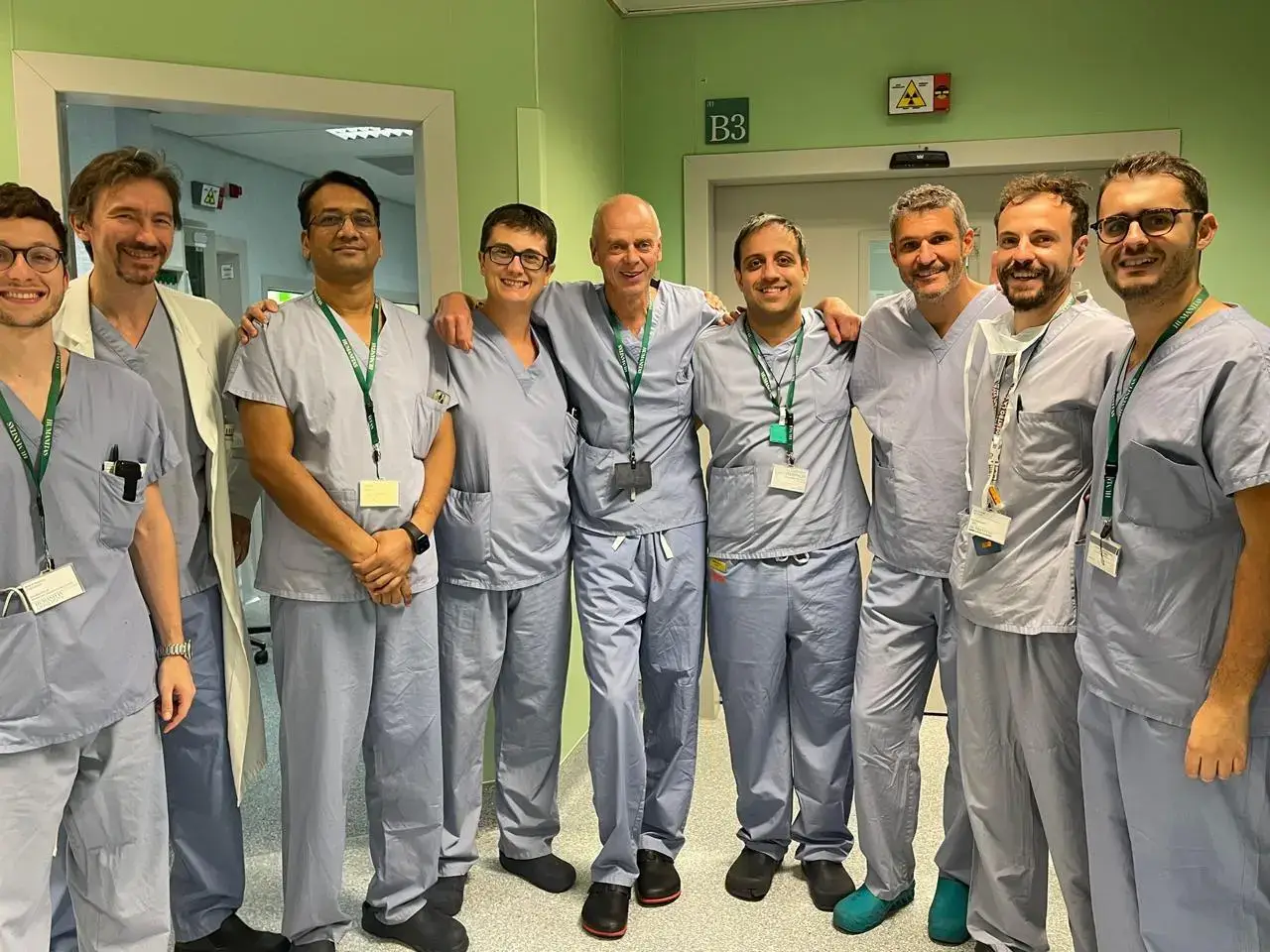
Expertise in TAVI/ TAVR:
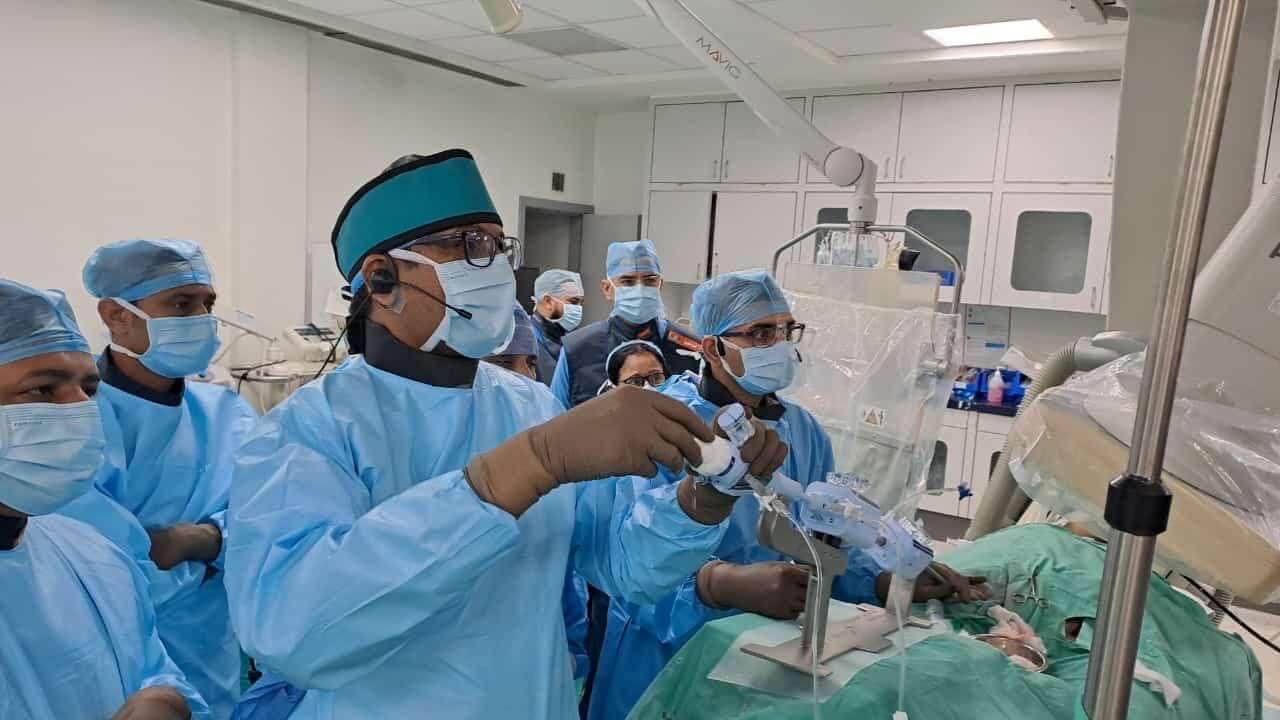
Dr. Prem Ratan Degawat, a leading TAVR Expert in Rajasthan, has performed over 600 of these procedures, including complex cases. His expertise is further solidified by extensive research on safe TAVR practices based on nearly 2000 European cases. Beyond TAVR, he is also an expert in other heart procedures like TMVR, TPVR, and more.
Understanding TAVI:
What is TAVI?
TAVI is a minimally invasive procedure that replaces a blocked aortic valve with a new one. This new valve is inserted through a thin tube (catheter) typically placed in the leg artery and reaches the heart. Once in place, the new valve opens up properly, allowing for better blood flow and easing symptoms of aortic valve stenosis.
Who Needs TAVI?
TAVI is usually recommended for people with severe aortic valve stenosis who are considered too high-risk for traditional open-heart surgery. It’s a good option for those with other health problems or whose heart anatomy makes traditional surgery difficult, making Dr. Degawat a sought-after Tavi expert in Rajasthan.
How is TAVI Performed?
During TAVI, the doctor guides the catheter through the arteries to the heart using imaging technology for precise placement of the new valve. Because it’s minimally invasive, TAVI leads to shorter recovery times and fewer risks compared to open-heart surgery.
Benefits of TAVI/ TAVR
-
- Less Invasive:
TAVR is a much gentler procedure compared to open-heart surgery, lowering the risk of complications and improving overall patient outcomes. It’s particularly helpful for older patients or those with other health issues.
- Less Invasive:
-
- Faster Recovery:
Compared to traditional surgery, TAVI usually means a shorter hospital stay and a quicker return to daily activities. This faster recovery translates to better quality of life and happier patients.
- Faster Recovery:
-
- Improved Quality of Life:
By effectively fixing aortic valve stenosis and restoring proper heart function, TAVR can significantly improve a patient’s quality of life. Symptoms like chest pain, shortness of breath, and fatigue can be greatly reduced.
- Improved Quality of Life:
Who is the Best TAVI/ TAVR expert in Rajasthan, India?
Dr. Prem Ratan Degawat is a leading TAVI/ TAVR expert in Rajasthan. With over 600 TAVR procedures performed, he’s a trusted choice for patients seeking this procedure across the state.
Why Choose Dr. Prem Ratan Degawat?
-
- Experience and Skill:
With his extensive experience in heart procedures and his specialization in TAVR, Dr. Degawat offers unmatched expertise in diagnosing and treating complex heart conditions. Patients benefit from his successful track record and his dedication to pushing the boundaries of cardiovascular care.
- Experience and Skill:
-
- Focus on Patients:
Dr. Degawat prioritizes his patients’ well-being and actively involves them in decision-making, ensuring they understand their options and have a say in their treatment plan. His caring approach and commitment to patient satisfaction make him a trusted healthcare provider. - Advanced Facilities:
Dr. Degawat’s practice is equipped with the latest diagnostic and treatment technologies, allowing for accurate diagnoses and the best possible treatment outcomes. From modern catheterization labs to dedicated cardiac rehab services - Patient Testimonials:
Watch inspiring video testimonials from real people who have successfully overcome heart health issues. They’ll share their experiences and how Dr. Degawat’s expertise and care helped them get back to living a full and active life.
Patient Testimonial- Mrs. Munni Kanwar | TMVR Treatment by Dr. Prem Ratan Degawat
Patient Testimonial – Dr. Prem Ratan Degawat | Patient From Kabul, Afghanistan
- Focus on Patients:
Make your heart health a priority. Schedule a consultation with Dr. Degawat today. Discover how his expertise and compassionate care can help you achieve a healthier, happier you.
Patients with a failing surgical tissue aortic valve need an additional assessment of the old valve and surrounding anatomy. Read our guide to valve-in-valve TAVI for the specific eligibility checks and the comparison with another open operation.
Where Your TAVI Is Done in Jaipur
Dr. Prem Ratan Degawat performs TAVI at Eternal Hospital, 3A Jagatpura Road, Near Jawahar Circle, Jaipur 302017. The procedure is done in a dedicated cardiac catheterisation lab, not a general operating theatre. That matters more than it sounds: TAVI is guided entirely by live imaging, so the quality of the fluoroscopy and echo equipment in the room directly affects how precisely the new valve can be positioned.
TAVI is never a one-person procedure. A Heart Team is in the room for every case: the interventional cardiologist performing the implant, a cardiac anaesthetist managing sedation, an imaging cardiologist reading the echo in real time, cath lab technologists, and cardiac surgical backup available on site. Before any date is fixed, the same team reviews the CT angiogram and echo together and agrees that TAVI is the right operation for that particular patient, rather than surgery or medical management alone. If you are still at the stage of finding out whether you qualify at all, start with our guide on who qualifies for TAVI and who does not.
What a TAVI Admission in Jaipur Involves
For a case that runs as planned, a TAVI admission in Jaipur takes three to four days in total, and the valve itself takes about an hour of that. Everything else is checking, watching, and getting you back on your feet. This is what those days actually look like.
- The workup week. A CT angiogram to size the valve and map the access route, an echocardiogram, a coronary angiogram, blood work, and a dental clearance. The dental check is not a formality: an untreated dental infection is a real source of valve infection later.
- Admission, the day before. Paperwork, consent, anaesthetic review, and fasting from midnight.
- The procedure day. The valve is delivered through the femoral artery in the groin. Most cases are done under local anaesthesia with sedation, not general anaesthesia — you are drowsy rather than fully asleep, and there is no breathing tube in most cases. Expect roughly 60 to 120 minutes in the lab. Families wait outside the cath lab and are updated when the valve is in position.
- The first night. Monitored ward with continuous ECG, mainly to watch the heart’s conduction system, which can be irritated by the new valve. Most patients do not need a full intensive-care bed.
- The next day. Sitting up, then walking. The groin site is checked, and an echo confirms the valve is working as expected.
- Discharge, day three or four. Discharge depends on a stable heart rhythm, a clean access site, a satisfactory echo, and being able to walk unaided.
- Follow-up. Reviewed at one month, six months, and then yearly with an echo each time.
The full hour-by-hour account, including what to pack and the attendant policy, is in our day-by-day guide to a TAVI admission in Jaipur. For what the tests before treatment involve, see heart valve tests before treatment in Jaipur.
Travelling to Jaipur for TAVI
A large share of the TAVI patients treated in Jaipur travel in from outside Rajasthan. If you are coming from another state, the practical answer is that most families should plan for seven to ten days in Jaipur in total, not three — that covers the workup, the procedure, the inpatient stay, and one review before you travel home.
You do not need to travel for the first opinion. A recent echocardiogram, a CT angiogram if one has been done, and a current medication list are usually enough for an initial view on whether TAVI is appropriate. There are state-specific guides for patients coming from Delhi, Haryana, Punjab and Surat and Gujarat, and a full guide for outstation families covering where attendants stay, what to budget beyond the procedure, and — honestly — when a family should not travel and should be treated closer to home.
On cost and coverage, see TAVI surgery cost in Jaipur, the Hindi guide to TAVI ka kharcha, RGHS, Ayushman aur insurance, and our note on when to seek a second opinion for heart surgery.
Consultation, OPD Hours and Location
Dr. Prem Ratan Degawat, MD, DM (Cardiology) — Senior Interventional Cardiologist; Associate Director, TAVR & Structural Heart Disease Program, and Director, Mitral & Tricuspid Valve Program, Eternal Hospital, Jaipur. 600+ TAVI/TAVR procedures performed.
- Clinic: 6/384, In front of Railway Headquarter, Sector 6, Malviya Nagar, Jaipur, Rajasthan 302017
- Hospital: Eternal Hospital, 3A Jagatpura Road, Near Jawahar Circle, Jaipur 302017
- OPD Timings: Monday to Saturday, 10:00 AM to 4:00 PM
- Phone: +91-8960594076
- Email: drpremratan@gmail.com
FAQs
1. What is the recovery time after TAVR?
The recovery time after Transcatheter Aortic Valve Replacement (TAVR) varies from patient to patient but is generally shorter compared to traditional open-heart surgery. Many patients experience a rapid recovery and can resume normal activities within a few days to a week after the procedure. However, full recovery may take several weeks, during which patients are advised to follow their healthcare provider’s instructions regarding physical activity and medication.
2. Are there any risks associated with TAVR?
While TAVR is considered a minimally invasive procedure with lower risks compared to traditional open-heart surgery, there are still potential risks and complications. Some of these risks include bleeding, stroke, heart rhythm disturbances, valve leakage, blood vessel complications, and in rare cases, death. However, the overall risk of complications is typically lower with TAVR, especially for high-risk patients who may not be suitable candidates for surgery.
3. Is TAVR suitable for all patients with aortic valve stenosis?
TAVR is not suitable for all patients with aortic valve stenosis. It is primarily recommended for patients who are considered high-risk or inoperable candidates for traditional open-heart surgery due to factors such as advanced age, multiple comorbidities, or anatomical constraints. Eligibility for TAVR is determined through comprehensive evaluation by a multidisciplinary team of healthcare providers, including cardiologists and cardiac surgeons.
4. How long does a TAVR procedure typically take?
The duration of a Transcatheter Aortic Valve Replacement (TAVR) procedure can vary depending on factors such as the patient’s anatomy, the complexity of the case, and the experience of the medical team. On average, a TAVR procedure typically takes between one to three hours to complete. However, patients may need to spend additional time in the recovery area following the procedure for observation and monitoring.
5. What follow-up care is required after TAVR?
After undergoing Transcatheter Aortic Valve Replacement (TAVR), patients require regular follow-up care to monitor their recovery and ensure optimal outcomes. This may include scheduled visits with their cardiologist or cardiac surgeon for clinical assessments, imaging studies, and laboratory tests. Additionally, patients may need to take medications as prescribed, participate in cardiac rehabilitation programs, and adhere to lifestyle modifications such as diet and exercise recommendations. The specific follow-up care plan will be tailored to each patient’s individual needs and medical history.
6. Who is the top TAVI expert in Jaipur?
Dr. Prem Ratan Degawat is widely regarded as a leading Tavi expert in Jaipur, Rajasthan. With his extensive experience, specialized expertise, and commitment to patient-centered care, Dr. Degawat has earned recognition as a top authority in TAVR procedures.
7. Is TAVI a risky procedure?
Like any medical procedure, Transcatheter Aortic Valve Implantation (TAVI) carries certain risks, although it is generally considered to be safe and effective for eligible patients. Potential risks associated with TAVI may include bleeding, stroke, heart rhythm disturbances, valve leakage, or blood vessel complications. However, the overall risk of complications is typically lower with TAVI compared to traditional open-heart surgery, especially for high-risk patients.
8. Is the heart stopped during TAVI?
During TAVI, the heart is not stopped because it’s crucial for maintaining blood circulation and oxygenation to vital organs. Keeping the heart beating throughout the procedure helps ensure continuous delivery of oxygen-rich blood to the body, reducing the risk of complications associated with stopping the heart. This is the main advantage of this technique.
9. Is TAVI better than open-heart surgery?
TAVI offers a minimally invasive approach with faster recovery and less scarring, making it suitable for high-risk patients. However, open-heart surgery might be preferable for complex cases requiring a more durable valve replacement. Dr. Degawat will assess your individual needs to recommend the best option for you.
10. How much does a TAVI cost?
The cost of Transcatheter Aortic Valve Implantation (TAVI) can vary depending on factors such as the hospital, the specific TAVR device used, and any additional medical expenses. Generally, TAVI procedures may range in cost, and it is advisable to consult with your healthcare provider or the hospital for accurate pricing information.
11. Who are the leading TAVI specialists in Jaipur?
Jaipur has several interventional cardiologists offering TAVI. The questions worth asking are how many TAVI procedures the operator has personally performed, whether complex anatomy such as bicuspid valves and valve-in-valve cases is handled in-house, whether a formal Heart Team reviews each case, and whether cardiac surgical backup is available on site. Dr. Prem Ratan Degawat is a Senior Interventional Cardiologist and Associate Director of the TAVR and Structural Heart Disease Program at Eternal Hospital, Jaipur, with more than 600 TAVI/TAVR procedures performed.
12. Which hospitals perform TAVI in Jaipur?
TAVI needs a cardiac catheterisation lab with high-quality imaging, an on-site cardiac surgical team as backup, and a cardiology unit experienced in post-procedure rhythm monitoring. Only a small number of Jaipur hospitals meet all three. Dr. Degawat performs TAVI at Eternal Hospital, Jagatpura, where the structural heart programme handles TAVI, TMVR, MitraClip, TriClip and TTVR.
13. How many days is the hospital stay for TAVI in Jaipur?
Three to four days in total for a straightforward case. You are usually admitted the day before, the valve is implanted the next day in a procedure lasting roughly 60 to 120 minutes, the first night is spent on a monitored ward, and discharge follows on day three or four once the heart rhythm is stable, the access site is clean and an echo confirms the valve is working.
14. Does insurance, RGHS or Ayushman Bharat cover TAVI in Jaipur?
Coverage depends on the scheme and the policy. Most private health insurance policies will consider TAVI, subject to waiting periods, sub-limits and pre-authorisation. RGHS matters specifically for Rajasthan state employees and pensioners. The position under Ayushman Bharat differs from that for surgical aortic valve replacement. The detail, including the pre-authorisation document checklist, is set out in our guide to TAVI ka kharcha in Jaipur: RGHS, Ayushman Bharat and insurance.
Schedule a consultation with Dr. Degawat Now!