Medically reviewed by Dr. Prem Ratan Degawat, MD, DM (Cardiology)
Senior Interventional Cardiologist · Director, Mitral & Tricuspid Valve Therapy · Associate Director, TAVR & Structural Heart Disease Program, Eternal Hospital, Jaipur
Last updated on Jul 28, 2026 · View LinkedIn profile
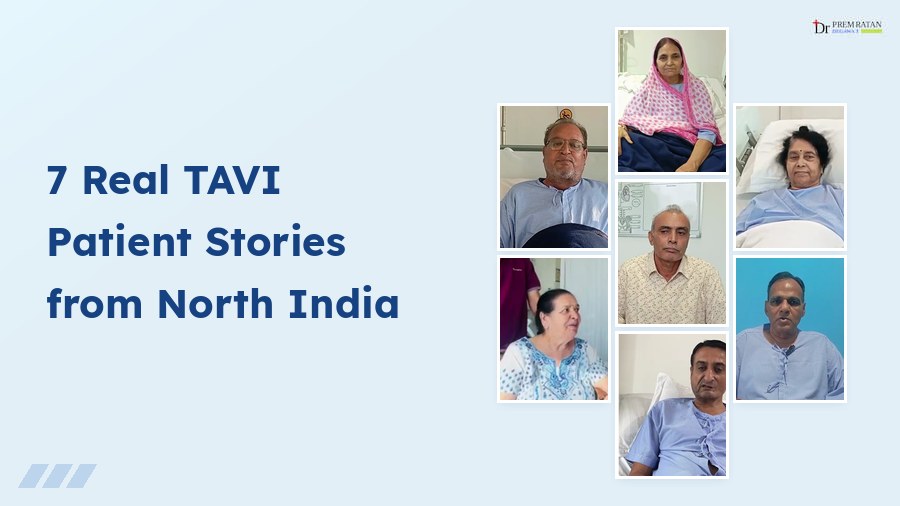
Seven patients treated by Dr. Prem Ratan Degawat at Eternal Hospital, Jaipur have described their TAVI on camera. Every video is on this page, and the accounts below come from what they actually say in them.
Six are from Rajasthan. One travelled from Delhi. Their ages run from 65 to 80, and between them they carry insulin-dependent diabetes, old stents, a pacemaker and one cardiac arrest.
Mrs. Om Panwar is 80. She says her valve was changed “through a wire,” which is a better description of TAVI than most textbooks manage.
One thing worth knowing before you read. Each of these patients was chosen for TAVI after their scans showed it was a good fit, which is exactly how the decision should be made. Whether it fits you is a question only your own echo and CT can answer, and there is no single answer that covers everybody. That is a good conversation to have early rather than late.
The seven patients
| Patient | From | What was happening | On video |
|---|---|---|---|
| Mr. Manak Chand Hiran | Bhilwara | Collapsed at home, refused locally | Pacemaker, then TAVI |
| Mrs. Om Panwar, 80 | Rajasthan | Breathless for years, turned away by three or four places | Valve done “through a wire” |
| Mrs. Maya Devi | Jaipur | Insulin diabetic, two stents, could not walk | Walking the same day |
| Mr. Suresh Chand Bagdi | Sawai Madhopur | Cardiac arrest after a pulmonary embolism | TAVI, chest never opened |
| Mr. Lalit Khurana | Jaipur | Bad aortic valve numbers on a routine echo | Treated before symptoms |
| Mrs. Ugam Lata Gangwal | Kishangarh | Breathless sitting and talking | Home on day three |
| Mr. Ratan Kumar Goyal | Delhi | Breathlessness closing his life down | Travelled with the whole family |
Turned away closer to home
Mr. Manak Chand Hiran, Bhilwara
He went home at two in the afternoon to eat and suddenly felt dizzy and sweaty. The doctor he saw in Bhilwara would not take the case on, so the family drove to Jaipur and he came in through emergency.
The valve was not dealt with first. He needed a pacemaker, done over two days. He then told Dr. Degawat he wanted open surgery, thought about it overnight, and changed his mind the next morning.
His summary: “No cut, no bleeding, nothing at all.”
Dr. Degawat’s note: calcium that stiffens the aortic valve sits against the heart’s electrical wiring, so rhythm trouble and valve trouble often arrive together. Treating them in sequence is routine, not a sign something went wrong.
Mrs. Om Panwar, 80
Breathless for years and much worse recently, she went to three or four places. Each told her the same thing, that this could only be done at a big hospital.
Her account is short and worth quoting: “Eternal Hospital, where Prem Ratan ji is, who truly became like a son to me. He did my surgery very well. He did it through a wire.”
Her age is why several doctors hesitated. It is also, medically, why TAVI suited her. The older and frailer a patient is, the worse the arithmetic of opening a chest becomes.
Told they were too complicated
Mrs. Maya Devi, Jaipur
Her son Pawan Goyal talks. She is 65, diabetic on insulin, hypertensive, already carrying two stents, and by the time he brought her in she could not walk.
He was told her age made surgery difficult. “At first I did not believe it,” he says about the alternative. Then: “The first thing he did was end my mother’s fear. He explained it on paper, the way a teacher explains to a student.”
She walked the same day. “No pain anywhere, no cutting anywhere.”
Insulin, previous stents and weakness all punish a healing sternum far more than they punish a small puncture in the groin. On paper she looks like the difficult patient. In practice every one of those things argued for a catheter.
One correction. He remembers being told the whole thing takes an hour. The implant often does, the day around it does not.
Mr. Suresh Chand Bagdi, Sawai Madhopur
His daughter Aruna speaks first, and hers is the hardest account here. Her father’s breathing had become like suffocation. He went on to throw a pulmonary embolism and arrest.
He then speaks for himself. Other doctors had told him the valve would have to be changed, and he finishes with “today I am completely well, he saved my life.”
Two moments in that video are worth a doctor’s word.
Aruna says TAVI carries no risk and no side effects. You can hear the relief in her voice, and after what her father came through that is easy to understand. The fuller picture is that TAVI is a low-risk procedure rather than a no-risk one. Stroke, a groin artery needing repair, bleeding, kidney strain from the contrast dye, a small leak around the new valve or a pacemaker are all uncommon, and your team will talk you through each one beforehand.
She also mentions discharge in 24 hours. Some patients genuinely do go home that quickly. Two to five days is more typical, and a little longer is completely normal for anyone who arrives as unwell as her father did.
Her father is closer to right than he sounds. TAVI does not cut the old valve out. The new one opens inside it, pushes the old leaflets aside and takes over immediately.
Referred in by another cardiologist
Mr. Lalit Khurana
A routine echo came back with the aortic valve numbers wrong and the score higher than it should have been. A cardiologist at the same hospital, a family friend, sent him to Dr. Degawat.
What makes him unusual on this page is that he was not desperate. No ambulance, no breathlessness at a standstill. He came in on a bad report.
“The best part is the speedy recovery,” he says. “It is non-surgical, there is no hesitation of any kind, the procedure only takes a little while.”
He is the version Dr. Degawat would like to see more often. Not a rescue.
Mrs. Ugam Lata Gangwal, Kishangarh
Her grandson Deepanshu talks, and the important line is his first: “Earlier she would get breathless walking, and even sitting and talking.”
Breathless while walking is the early complaint. Breathless while sitting and talking means the heart cannot cope even when nothing is asked of it. That is late aortic stenosis, and it is the stage where acting quickly makes the biggest difference. If that sentence describes someone at home, read the symptoms of aortic stenosis and when to act on them tonight.
The family went home for two days, read about valve replacement, and came back having decided. She was three days post-procedure at filming and waiting to go home.
The one who came from Delhi
Mr. Ratan Kumar Goyal, Delhi
Breathlessness was closing his life down, and early tests pointed at the heart. The family found out everything they could before committing to anything, and that search ended in Jaipur.
“He explained everything to us in detail,” he says, then: “we came here from Delhi, the whole family.”
The procedure was done on the 20th. “Now I am feeling completely fine. I have no trouble of any kind.”
Who TAVI suits best
These seven all did well, and the honest reason is that each was a good candidate. Choosing the right patient is most of the work, so it is worth knowing what that choice rests on.
TAVI suits some people far better than others. A patient under 65 at low surgical risk, built for an operation, is usually better served by the operation. The ten-year data is good and the data past that is thinner, which matters enormously if you might live another thirty years. It is a genuine judgement call, so ask for the reasoning behind whatever you are advised. The real numbers sit in the guide to how long a TAVI valve lasts.
Anatomy matters too. Groin arteries too small or too diseased to take the delivery system. Certain bicuspid valves. A coronary artery sitting low enough that pushing the old leaflet aside could block it.
The valve also has to be the thing actually holding you back. Where advanced lung disease, cancer or frailty is setting the limit, treating the valve alone will not change how someone feels day to day, so it is worth being sure first.
On money, plan for ₹15 lakh to ₹30 lakh at private centres in India, and the valve itself is most of that. The breakdown is on the TAVI cost page for Jaipur.
Before the first appointment
In five of these seven videos the person doing the talking is a son, a daughter, a grandson or a wife. If that is you, this part is yours.
Bring the echo report with the aortic valve gradient and valve area on it, the ECG, any CT angiogram, the medicine list, and recent kidney function and haemoglobin. Without the echo numbers everyone is guessing.
Then ask five things and write the answers down.
- What is the surgical risk score and what does it mean here?
- Are the groin arteries good enough, or is another route needed?
- Which valve is planned, and why that one?
- What is the operator’s own pacemaker rate with it?
- If this wears out in twelve years, what happens then?
If the answers are vague, get a second opinion before heart surgery. Two of the people on this page are here because somebody said no first.
What seven people add up to
Seven patients. Six from Rajasthan and one from Delhi, aged 65 to 80, carrying insulin-dependent diabetes, old stents, a pacemaker, a pulmonary embolism and a cardiac arrest between them. Not one was opened up, and all seven are on camera saying so.
Every case is decided on its own echo, CT and arteries. What these seven do show is that being older, diabetic, previously stented or already turned down for surgery does not mean nothing can be done. Very often, a great deal can.
Bring the reports and have them looked at properly. You can check who qualifies for TAVI first, and if you want the procedure explained from scratch, start with what TAVI is and how the valve is placed.
About Dr. Prem Ratan Degawat
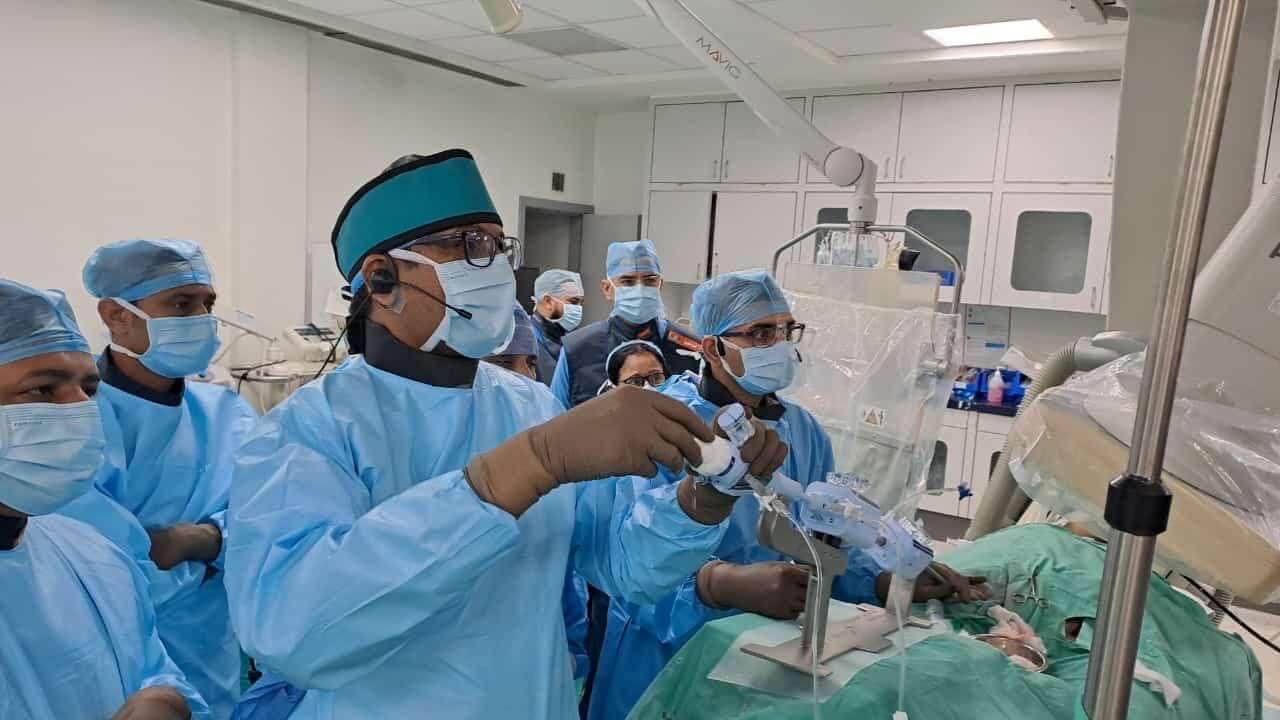
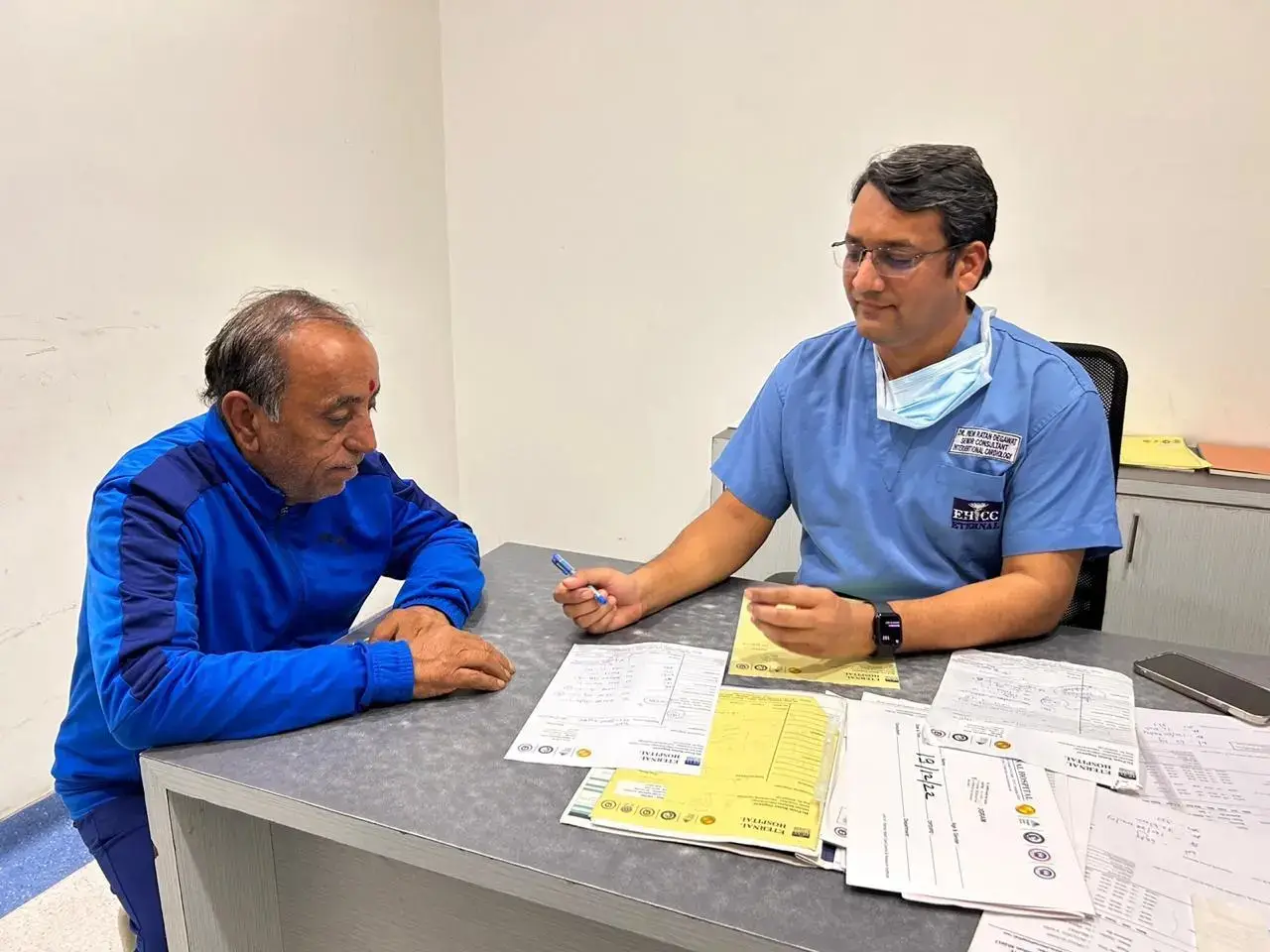
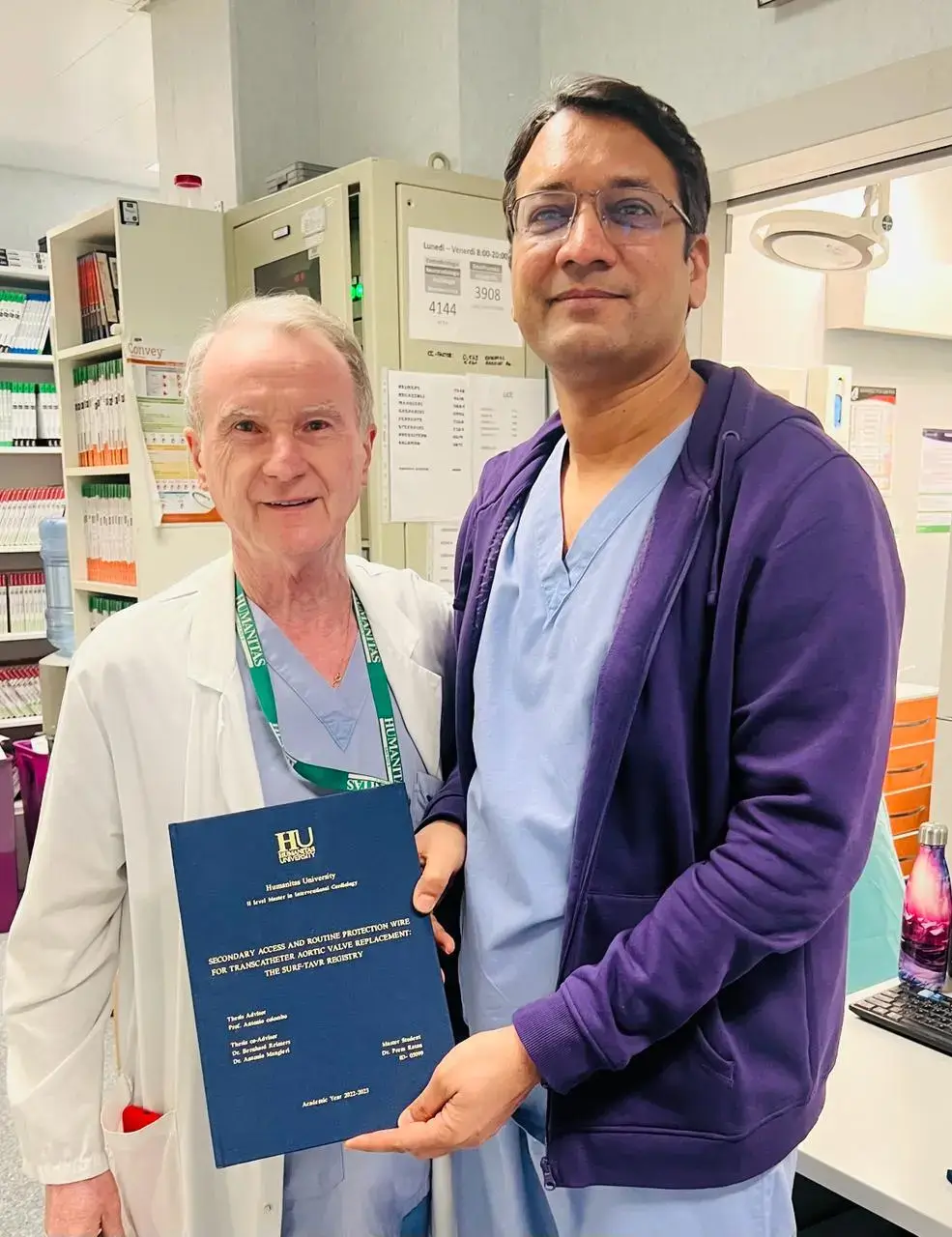
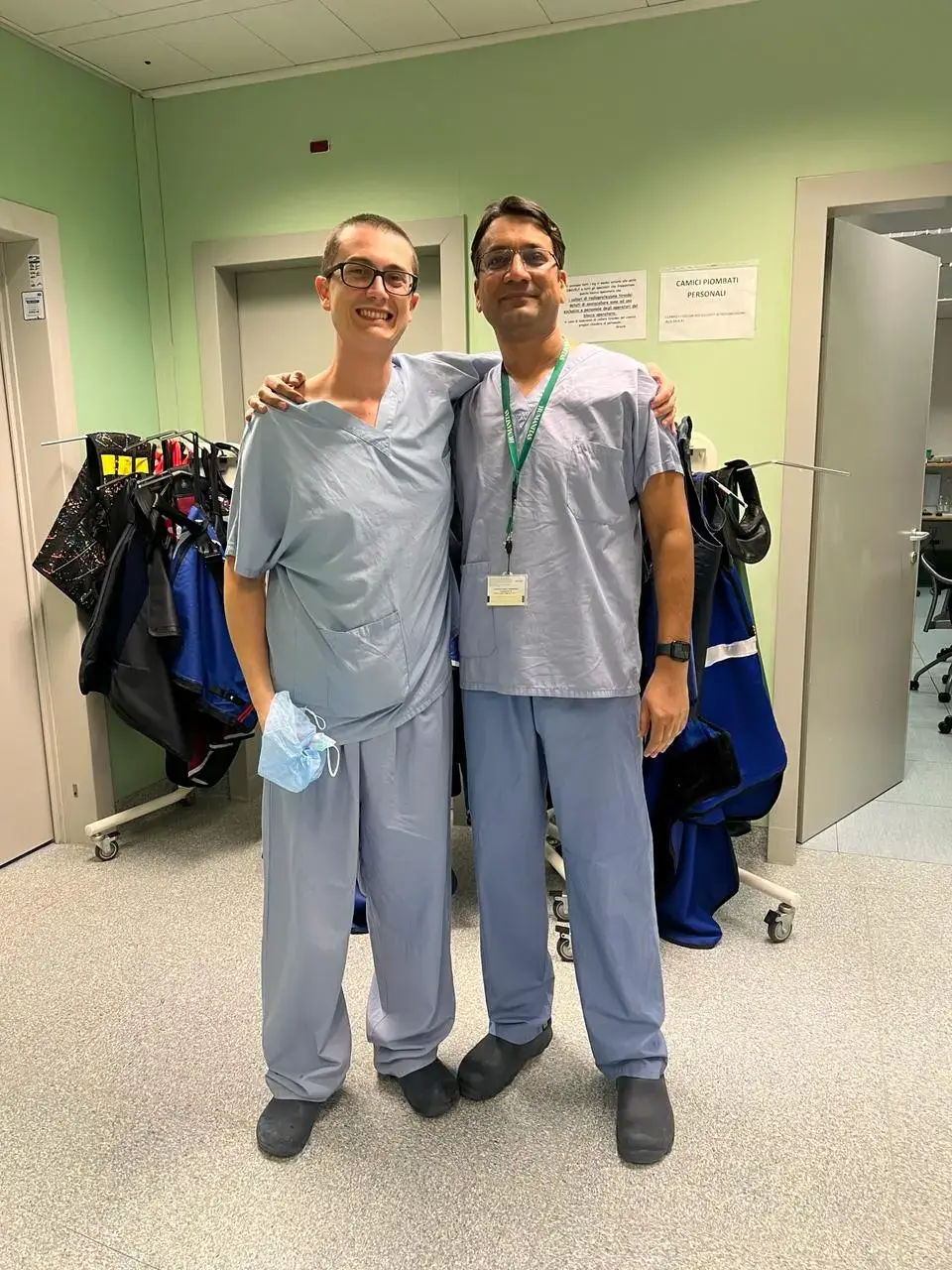
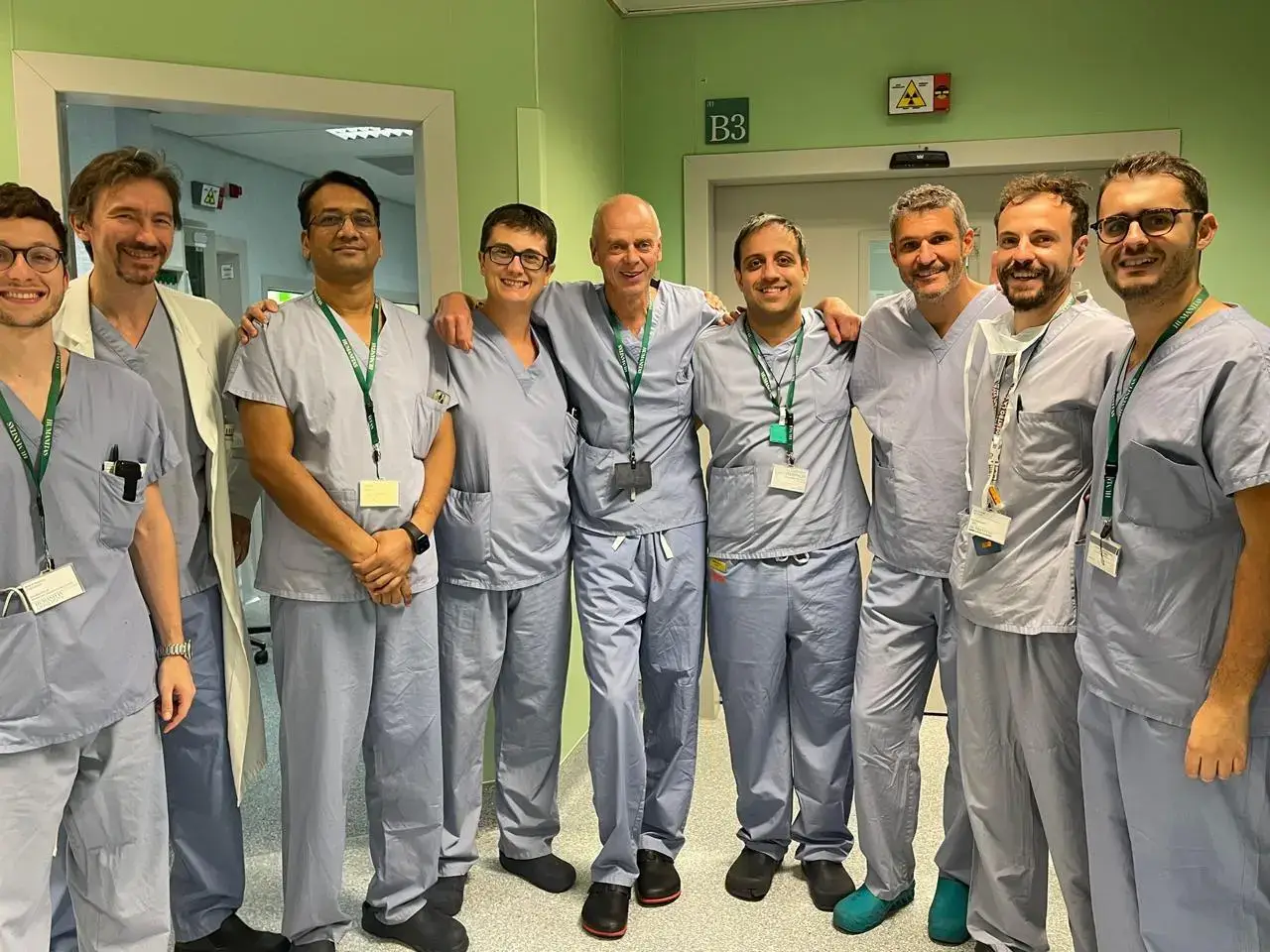
Dr. Prem Ratan Degawat is a senior interventional cardiologist in Jaipur who specialises in structural heart disease. He is Associate Director of the TAVR and Structural Heart Disease Program at Eternal Hospital and has performed more than 600 TAVI procedures, including bicuspid, valve-in-valve, and TAVR-in-TAVR cases.
He completed his DM in Cardiology at King George’s Medical University, Lucknow, and trained in advanced structural heart intervention at IRCCS Humanitas in Italy. He is among a small number of cardiologists in India certified in TAVI, MitraClip, TRI-Clip, and TMVR procedures.
Dr. Degawat is known for explaining conditions and options in plain language, so patients and families can decide with confidence.
Consultation details:
- Hospital: Eternal Hospital, 3A Jagatpura Road, Near Jawahar Circle, Jaipur 302017
- OPD: Monday to Saturday, 10:00 AM to 4:00 PM
- Clinic: 6/384, In front of Railway Headquarter, Sector 6, Malviya Nagar, Jaipur, Rajasthan 302017
- Contact: +91-8960594076
FAQs:
Are these real TAVI patients?
Yes. All seven appear on camera under their own names, most with a family member beside them, at Eternal Hospital in Jaipur. Every video is embedded above. Nothing here is invented, and where a patient said something medically wrong, the text corrects it.
How soon do TAVI patients walk after the procedure?
Mrs. Maya Devi was walking the same day and Mrs. Gangwal went home on day three. That is normal for a straightforward case, but it is not a promise. Patients who arrive very weak, or who need a pacemaker too, take longer than the videos suggest.
Can TAVI be done if a hospital near me said no?
Often, yes. Mr. Hiran was refused in Bhilwara and Mrs. Om Panwar was turned away by three or four places. Being high risk for open surgery is the situation TAVI was designed for, so get the echo and CT reviewed before accepting a no.
Is 80 too old for TAVI?
No. Mrs. Om Panwar was 80. Age on its own decides nothing. Kidney function, lungs, frailty and what the arteries look like on CT decide it, and some of those can be improved before the procedure.
Does TAVI remove the old valve?
No, and this confuses almost everyone. The old valve stays where it is. The new one opens inside it, pushes the stiff leaflets aside and starts working immediately. Nothing is cut out, which is a large part of why the chest never has to be opened.
Can a diabetic patient on insulin have TAVI?
Yes, and diabetes usually strengthens the argument for it. Mrs. Maya Devi was on insulin with two previous stents. Diabetes punishes a healing sternum far more than it affects a small puncture in the groin.
Do patients travel to Jaipur for TAVI?
Regularly. The people on this page came from Bhilwara, Kishangarh, Sawai Madhopur, Jaipur and Delhi. Most send echo and CT reports ahead, travel for the assessment and procedure, then do follow-up scans locally.