Medically reviewed by Dr. Prem Ratan Degawat, MD, DM (Cardiology)
Senior Interventional Cardiologist · Director, Mitral & Tricuspid Valve Therapy · Associate Director, TAVR & Structural Heart Disease Program, Eternal Hospital, Jaipur
Last updated on May 17, 2026 · View LinkedIn profile
Your heart valve can become critically narrow over many years. And for much of that time, you may feel completely fine.
This is the dangerous reality of aortic stenosis. It is one of the most common serious heart valve problems in India. Thousands of patients in Rajasthan, Jaipur, and across the country are living with it right now without knowing it.
If your doctor has mentioned a heart murmur, an abnormal echo, or a “narrowed valve,” this guide is for you. It explains what aortic stenosis is, how it progresses, when it needs treatment, and what your options are in India today.
What Is Aortic Stenosis? A Plain-Language Explanation
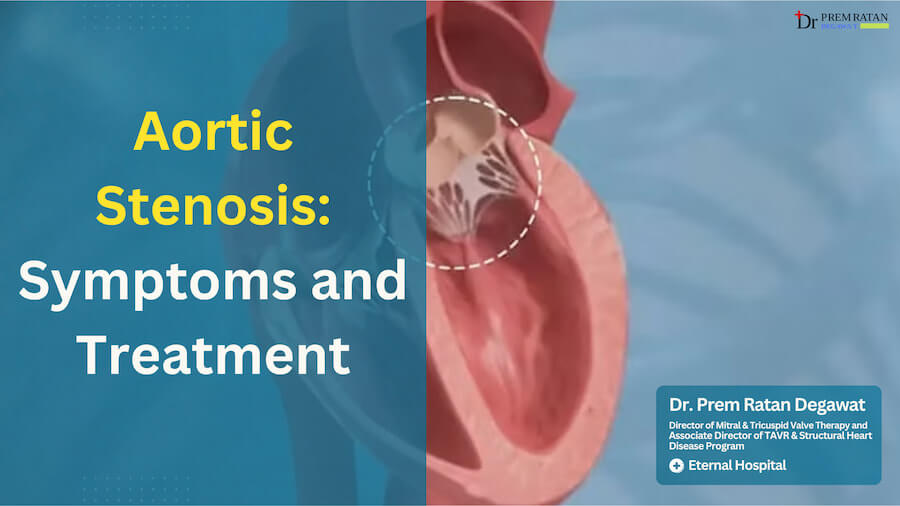
Your heart has four valves. They open and close with every heartbeat to keep blood moving in the right direction. The aortic valve sits at the exit of the heart’s main pumping chamber. Every time your heart contracts, this valve opens to push blood out to the rest of your body.
In aortic stenosis, this valve becomes stiff and narrow. It cannot open fully. Your heart has to pump much harder to push blood through the narrowed opening. Over time, this extra strain weakens the heart muscle.
The result is a heart that is working harder but delivering less.
Why Does the Aortic Valve Narrow?
There are three main reasons:
Calcium buildup with age. This is the most common cause in patients over 65. Over decades, calcium deposits form on the valve leaflets. They make the valve stiff and unable to open properly. This is called calcific aortic stenosis.
Before the valve narrows, an echo often shows it thickened but still opening normally. Reports call this aortic valve sclerosis. Our guide to aortic valve sclerosis vs aortic stenosis explains what that finding means and how often it progresses.
Bicuspid aortic valve. A normal aortic valve has three leaflets. Some people are born with only two. This bicuspid valve wears out faster. It often causes aortic stenosis in patients aged 40 to 60, which is earlier than typical.
Bicuspid anatomy does not rule out a catheter valve, but it changes how the procedure is planned. Our guide to TAVI for a bicuspid aortic valve explains the CT checks and when surgery is still the better choice.
Rheumatic heart disease. This is more common in India than in Western countries. A strep throat infection in childhood that was not treated properly can damage the heart valves years later.
The Silent Progression: Why You Feel Fine for Years
This is the part that surprises most patients.
Aortic stenosis develops slowly, often over 10 to 20 years. During this time, your heart compensates. It thickens its walls and pumps harder to get blood through the narrowed valve. You may feel no symptoms at all during this phase.
Doctors call this the compensated phase. Your echo may already show a significantly narrowed valve, but your body has adapted.
Then the compensation breaks down.
When the valve becomes severely narrow, the heart can no longer keep up. Symptoms appear, and they appear quickly. This transition from “no symptoms” to “severe symptoms” can happen within 12 to 24 months.
This is why regular monitoring with echocardiography is so important once aortic stenosis is diagnosed.
The Three Symptoms That Mean It Is Time to Act
Once symptoms appear in severe aortic stenosis, the outlook changes significantly without treatment. These three symptoms are the warning signs that require urgent evaluation.
1. Breathlessness on Exertion
You notice that you get short of breath doing activities that never tired you before. Walking up stairs, carrying groceries, or doing household work becomes difficult. This happens because the weakened heart cannot meet the body’s demand for blood during activity.
Many patients in India dismiss this as “age-related” or “fitness-related.” It is often neither.
2. Chest Pain or Tightness
Some patients with severe aortic stenosis develop chest pain, especially during physical activity. The thickened heart muscle needs more blood than the coronary arteries can supply. This creates a squeezing or pressure feeling in the chest.
If you feel chest tightness during or after exertion, see a cardiologist without delay.
3. Fainting or Near-Fainting (Syncope)
This is the most alarming symptom. Patients suddenly lose consciousness or feel faint, often during physical activity. The narrow valve cannot supply enough blood to the brain during exertion.
Syncope due to aortic stenosis is a serious sign. It means the valve disease is advanced and the heart is at risk. It requires immediate cardiac evaluation.
The medical rule of thumb: Once any of these three symptoms appear in severe aortic stenosis, the average survival without treatment is 2 to 3 years. Treatment changes that outcome dramatically.
Why Indian Patients Often Present Later
This is an important point for Indian families to understand.
In Western countries, aortic stenosis is usually picked up earlier through routine health checks and echocardiograms. In India, many patients do not have access to regular cardiac screening. Symptoms are often attributed to other causes, fatigue, age, or deconditioning.
There are additional factors unique to the Indian population:
Higher burden of bicuspid valve disease. Bicuspid aortic valve disease is more common than previously thought in India. These patients develop severe stenosis a decade or two earlier than the general population.
Rheumatic heart disease legacy. India still carries a significant burden of rheumatic valve disease. This adds to the pool of younger patients with aortic valve problems.
Symptom tolerance. Many Indian patients, particularly elderly patients from smaller towns in Rajasthan, have a higher threshold for reporting symptoms. Breathlessness or reduced activity is accepted as part of ageing.
Delayed referral. Many patients reach a specialist like Dr. Prem Ratan Degawat in Jaipur after months of symptoms, having visited multiple doctors at the primary care level.
The practical message is this: if a family member is experiencing breathlessness, chest tightness, or unexplained fainting, and they are over 60 years old, ask for an echocardiogram. It is a simple, painless test. It can catch this condition early.
How Aortic Stenosis Is Diagnosed: Tests and What They Show
When you visit a cardiologist for suspected aortic stenosis, you will typically go through a series of tests. Here is what each one tells your doctor.
Echocardiogram (Echo)
This is the most important test. It uses sound waves to create a moving picture of your heart valves and chambers. It shows how narrow the valve is, how fast blood is moving through it, and how well your heart is pumping. Most patients in Jaipur can get this test done at Eternal Hospital or any cardiac centre.
If you already have an echo report and want to understand its numbers, our Hindi guide Echo Report कैसे पढ़ें explains the mean gradient, peak velocity, valve area and the mild, moderate and severe cut-offs.
CT Scan of the Heart
A cardiac CT scan gives a detailed 3D image of the aortic valve and the surrounding anatomy. It helps calculate the calcium score of the valve. It is essential when planning TAVI because it shows the exact valve size and the anatomy of the blood vessels through which the TAVI device will be delivered. Dr. Degawat uses CT imaging in the pre-procedure planning of every TAVI case.
Cardiac Catheterization
This is an invasive test, but it provides the most accurate pressure measurements inside the heart. In aortic stenosis, it directly measures the pressure gradient across the narrowed valve. It also checks the coronary arteries for blockages, which often co-exist with valve disease in older patients.
Treatment Decision Tree: What Are Your Options?
Not every patient with aortic stenosis needs immediate treatment. The decision depends on the severity of the valve narrowing and the presence of symptoms.
Watchful Waiting (for Mild to Moderate Stenosis)
If your aortic stenosis is mild or moderate and you have no symptoms, your cardiologist will recommend regular monitoring. This means an echo every 1 to 2 years. You will be advised on lifestyle, blood pressure control, and when to return for evaluation.
There is no medication that reverses or slows aortic stenosis. Medicines can manage symptoms and related conditions, but they do not fix the valve.
When Treatment Becomes Necessary
Treatment is recommended when:
- You have severe aortic stenosis AND symptoms (breathlessness, chest pain, or fainting)
- You have severe aortic stenosis and are going for another heart surgery (such as bypass)
- Your heart function is declining on serial echos, even without symptoms
- Your valve area has become critically small
Once you are in this category, the question becomes which treatment is right for you.
TAVI: Transcatheter Aortic Valve Implantation
TAVI is now the preferred treatment for the majority of patients with severe aortic stenosis in India. In this procedure, a collapsed replacement valve is delivered through a catheter inserted via the groin. No chest is opened. The new valve is positioned inside the narrowed native valve and expanded. It immediately takes over valve function.
Benefits of TAVI include:
- No open heart surgery
- Local or general anaesthesia
- Hospital stay of 3 to 5 days
- Return to normal activity within 2 to 4 weeks
- Excellent outcomes even in elderly or high-risk patients
Dr. Prem Ratan Degawat has performed over 600 TAVI procedures at Eternal Hospital in Jaipur, including complex cases involving bicuspid valves and valve-in-valve replacements. This is one of the highest volumes for any single operator in Rajasthan.
Open Surgical Aortic Valve Replacement (SAVR)
For younger patients, typically under 65, with low surgical risk, open surgical valve replacement remains an excellent option. The chest is opened, the narrowed valve is removed, and a new mechanical or biological valve is sewn in.
The advantage is longer durability, especially with mechanical valves. The disadvantage is a longer recovery of 6 to 8 weeks and the risks of open heart surgery.
Who Gets TAVI vs Surgery in India?
The decision is made after a detailed evaluation by a heart team. Factors include age, overall health, other medical conditions, valve anatomy, and patient preference. In general:
- Patients over 70 with moderate to high surgical risk: TAVI is preferred
- Patients over 80 or with multiple health conditions: TAVI is strongly preferred
- Patients aged 60 to 70 with low surgical risk: individualised decision
- Patients under 60 with good surgical fitness: surgery may be preferred for durability
Patient Recovery Stories from Dr. Degawat’s Cases
Dr. Prem Ratan Degawat has shared real TAVI procedure videos from Eternal Hospital Jaipur. These cases show the range of patients who benefit from TAVI.
TAVI Testimonial 1- Mr. Manak Chand Hiran
TAVI Testimonial 2- Mrs. Om Panwar
TAVI Testimonial 3- Mrs. Ugam Lata Gangwal
TAVI Testimonial 4- Mrs. Maya Devi
TAVI Testimonial 5- Mr. Jasti Veera Sekhara
TAVI Testimonial 6- Mr. Suresh Chand
About Dr. Prem Ratan Degawat
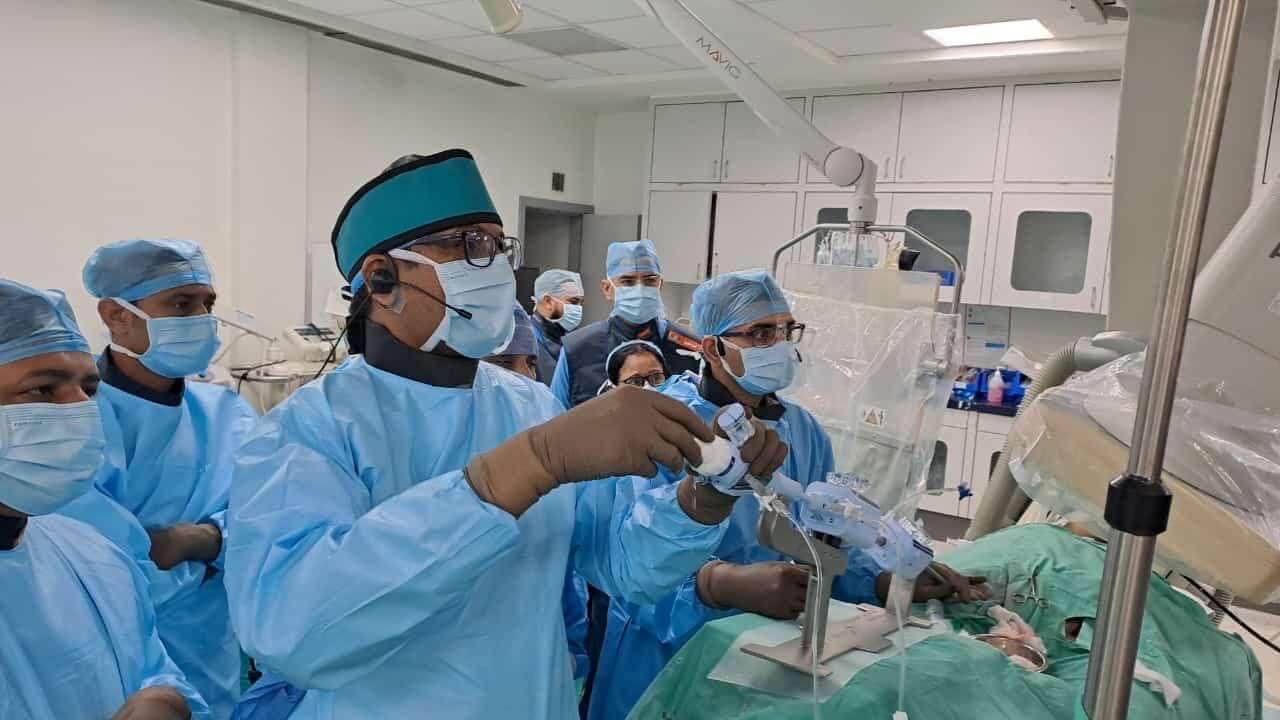
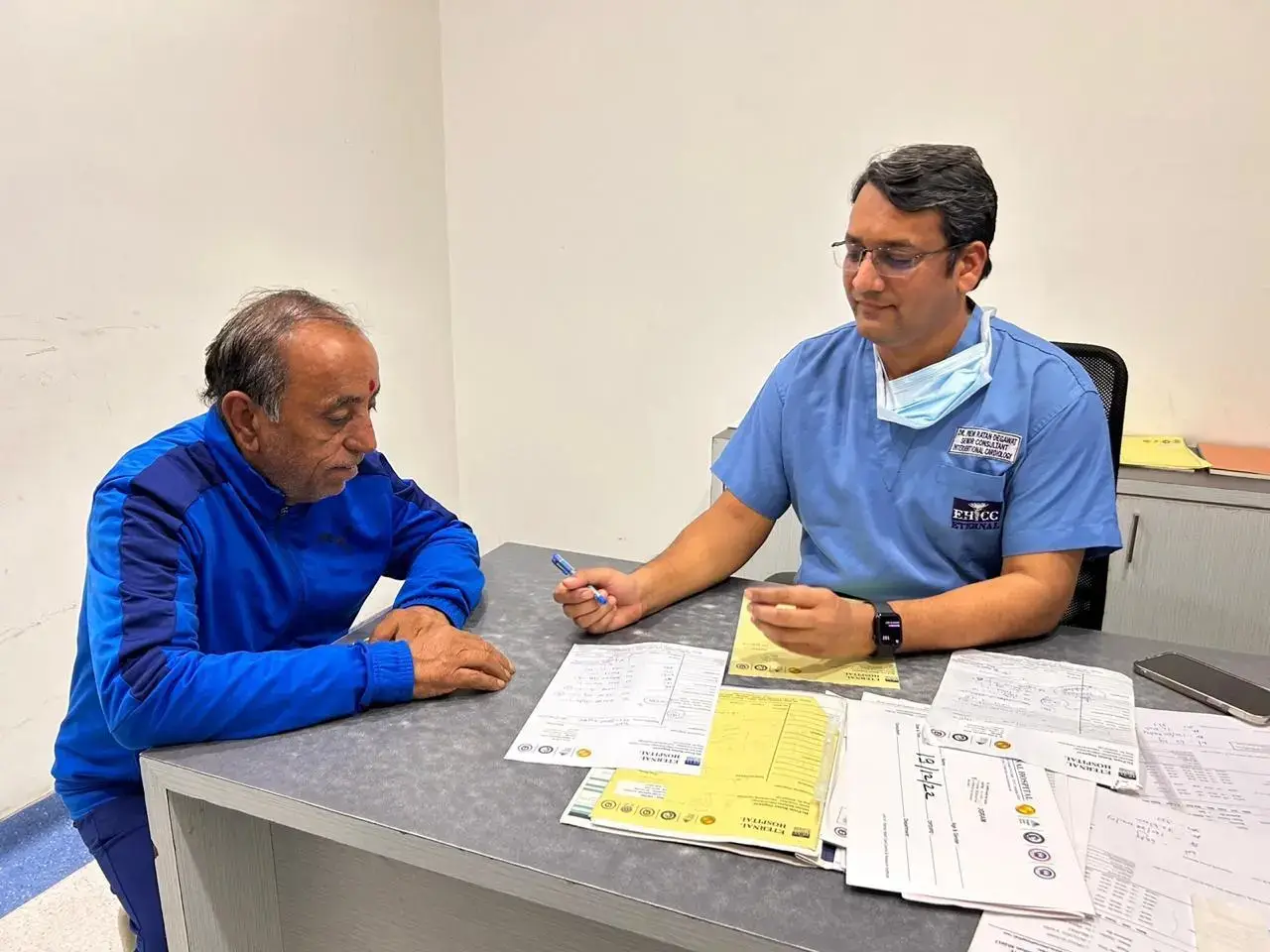
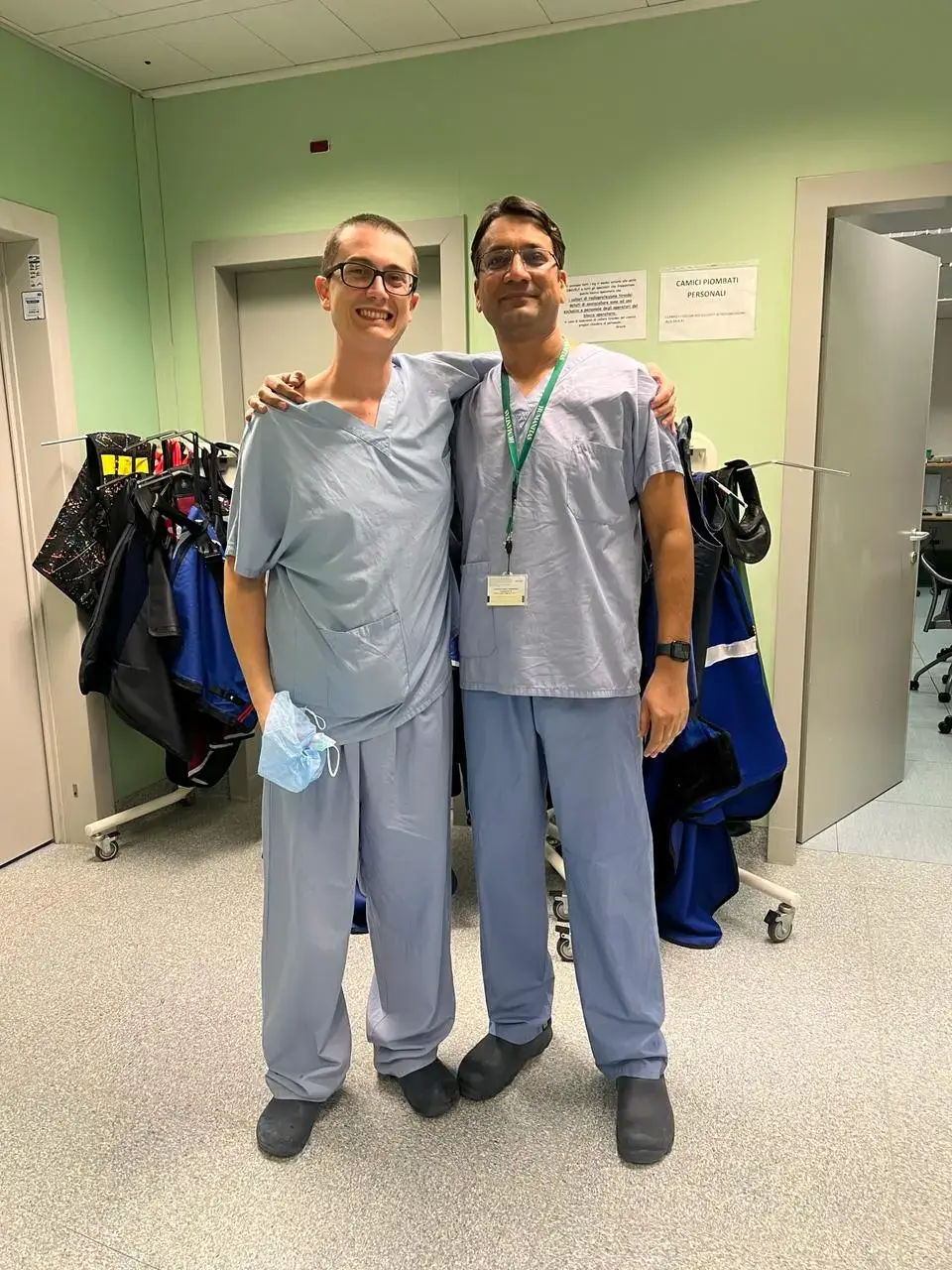
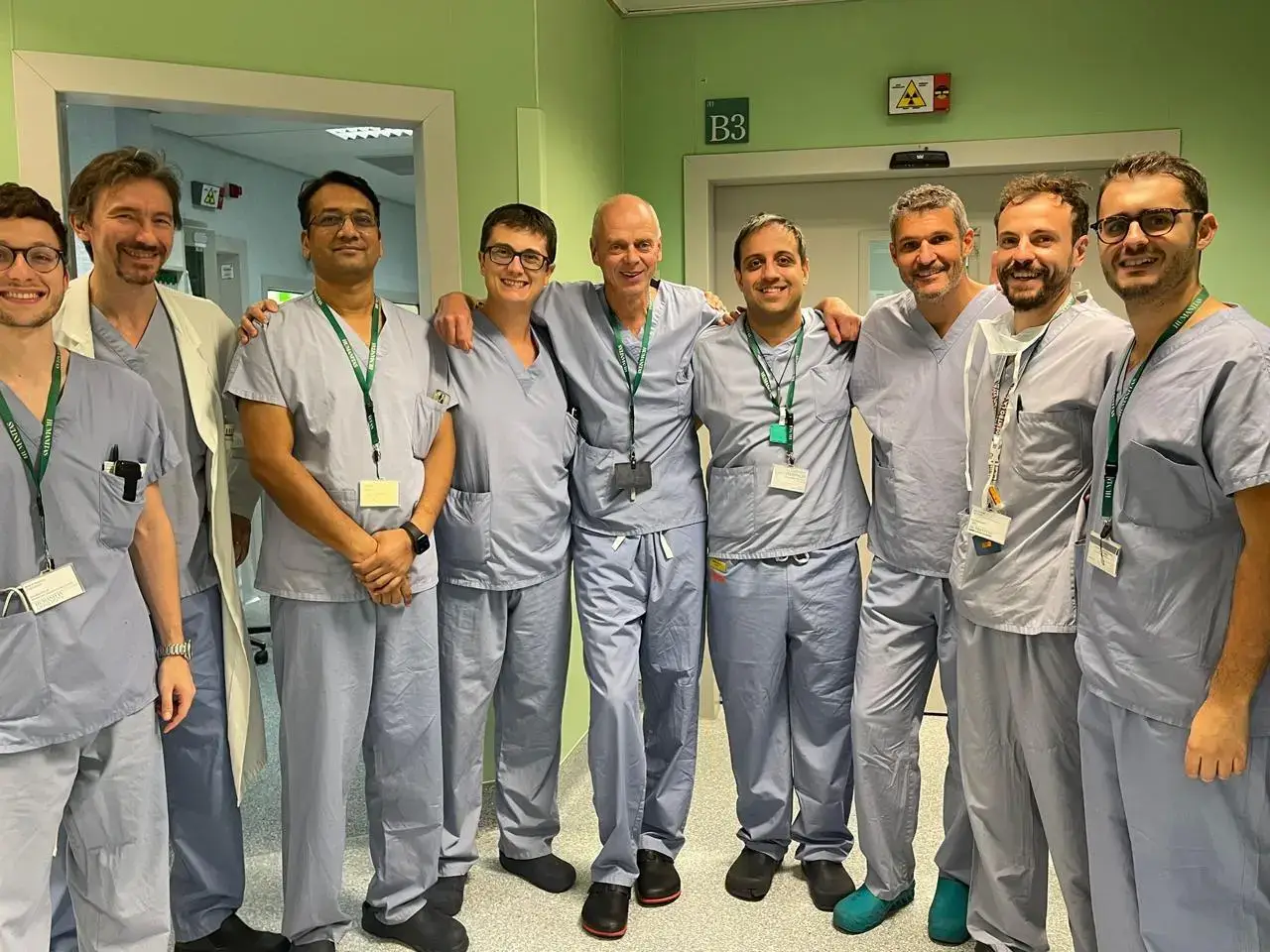
Dr. Prem Ratan Degawat is one of Jaipur’s most experienced interventional cardiologists, specialising in advanced structural heart procedures. He serves as Associate Director of the TAVR and Structural Heart Disease Program and Director of the Mitral and Tricuspid Valve Program at Eternal Hospital, Jaipur.
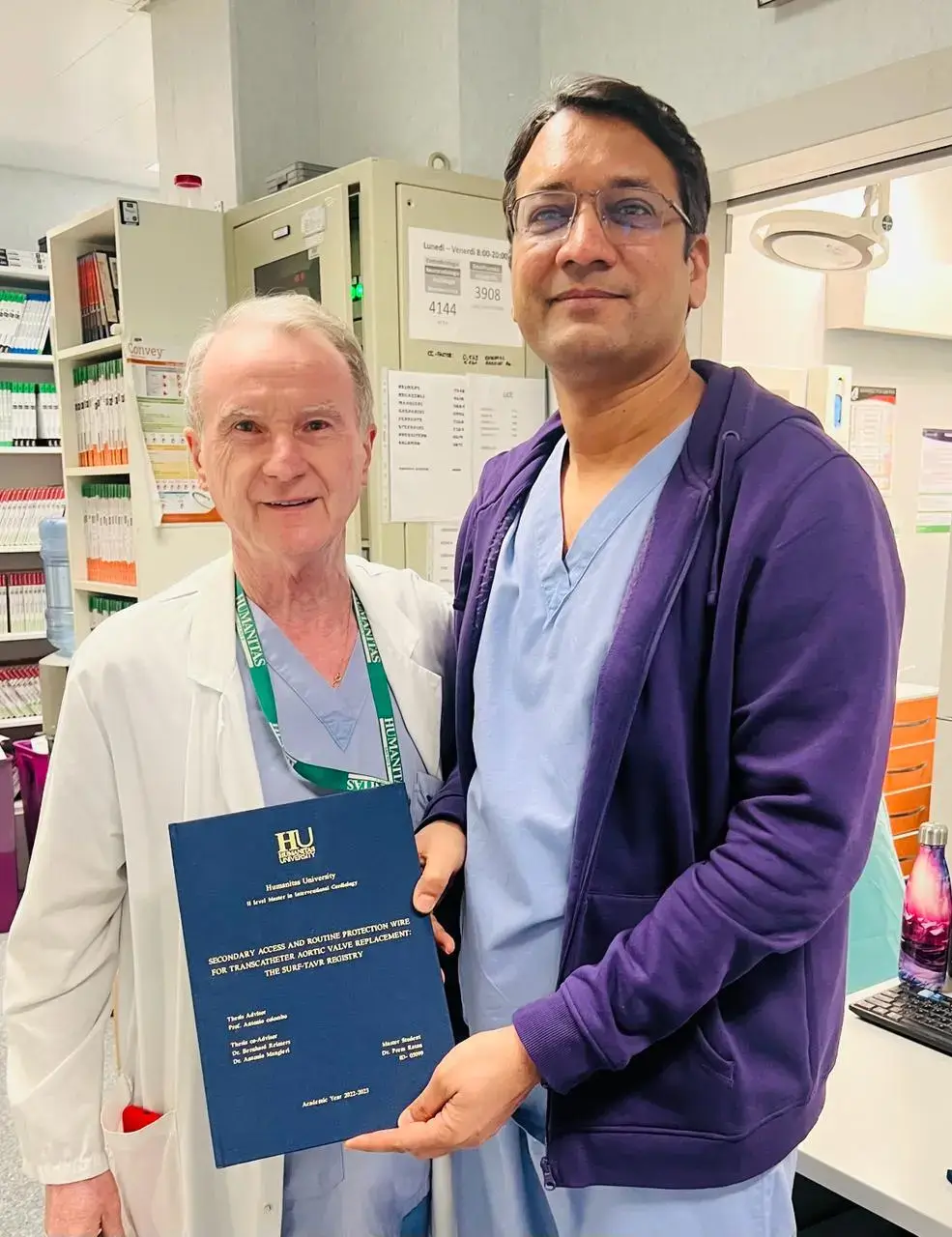
Dr. Degawat completed his DM in Cardiology from King George’s Medical University, Lucknow, and received advanced training in structural heart procedures at IRCCS Humanitas Research Hospital in Italy, where he contributed to research on over 2,000 TAVI cases. He is among the few cardiologists in India certified in TAVI, MitraClip, TRI-Clip, TMVR, CAVI, and TTVR.
With over 600 TAVI procedures performed, including complex bicuspid valve and valve-in-valve cases, Dr. Degawat brings a level of experience rare in Rajasthan. He is known for taking time with patients and families, explaining the condition in plain language, and helping them make confident decisions without confusion or fear.
Consultation Details: Hospital: Eternal Hospital, 3A Jagatpura Road, Near Jawahar Circle, Jaipur 302017
OPD Timings: Monday to Saturday, 10:00 AM to 4:00 PM
Clinic: 6/384, In front of Railway Headquarter, Sector 6, Malviya Nagar, Jaipur, Rajasthan 302017
Contact: +91-8960594076
FAQs:
Q1: What are the early signs of aortic stenosis I should watch for?
Most patients with mild to moderate aortic stenosis have no symptoms at all. In early severe cases, watch for breathlessness during activity, tiredness that worsens over weeks, or reduced exercise tolerance. These symptoms are easy to attribute to ageing, so an echo is the only reliable way to confirm or rule out valve narrowing.
Q2: Can aortic stenosis be treated without surgery in India?
Yes, for the majority of patients. TAVI is a catheter-based procedure that replaces the narrowed valve without opening the chest. It is not “surgery” in the traditional sense. TAVI is now the standard of care for most patients over 70 in India and is available at Eternal Hospital in Jaipur.
Q3: How much does TAVI cost in Jaipur for aortic stenosis?
TAVI costs approximately Rs 3.5 to 6 lakhs at private hospitals like Eternal Hospital, Jaipur. The cost varies based on the valve type used and complexity of the case. Patients covered under Chiranjeevi Yojana or Ayushman Bharat may be eligible for cashless or subsidised treatment at empanelled centres.
Q4: At what stage does aortic stenosis need treatment?
Treatment is needed when aortic stenosis becomes severe and causes symptoms such as breathlessness, chest pain, or fainting. It may also be recommended in severe asymptomatic cases if heart function is declining on serial echos. Your cardiologist will track this with regular echocardiograms and advise you when to act.
Q5: What is the difference between aortic stenosis and aortic regurgitation?
In aortic stenosis, the valve is too narrow and does not open properly, making the heart pump harder to push blood out. In aortic regurgitation, the valve does not close properly, and blood leaks back into the heart. Both are serious valve conditions, but they affect the heart differently and are treated differently. An echocardiogram can diagnose and distinguish between the two.
Q6: Is TAVI safe for patients over 80 years old?
Yes, TAVI is specifically designed for older and higher-risk patients. Multiple large studies have confirmed excellent outcomes in patients aged 80 and above. The absence of open chest surgery makes it far safer for elderly patients with multiple health conditions. Dr. Degawat has performed TAVI successfully in patients in their 80s and 90s at Eternal Hospital.
Q7: How long does recovery take after TAVI for aortic stenosis?
Most patients are walking within 24 hours of TAVI. Hospital stay is typically 3 to 5 days. Patients can usually return to light daily activities within 2 weeks. Full recovery and return to normal activity generally takes 3 to 4 weeks, compared to 6 to 8 weeks for open heart surgery.
Q8: Why should I consult Dr. Prem Ratan Degawat for aortic stenosis in Jaipur?
Dr. Degawat has performed over 600 TAVI procedures at Eternal Hospital and is one of a small number of cardiologists in India trained in the full range of structural heart interventions. He provides a complete evaluation including echo, CT, and a detailed discussion of all treatment options. His patient-first approach ensures you fully understand your condition and your choices before any decision is made.