Medically reviewed by Dr. Prem Ratan Degawat, MD, DM (Cardiology)
Senior Interventional Cardiologist · Director, Mitral & Tricuspid Valve Therapy · Associate Director, TAVR & Structural Heart Disease Program, Eternal Hospital, Jaipur
Last updated on Sep 27, 2026 · View LinkedIn profile
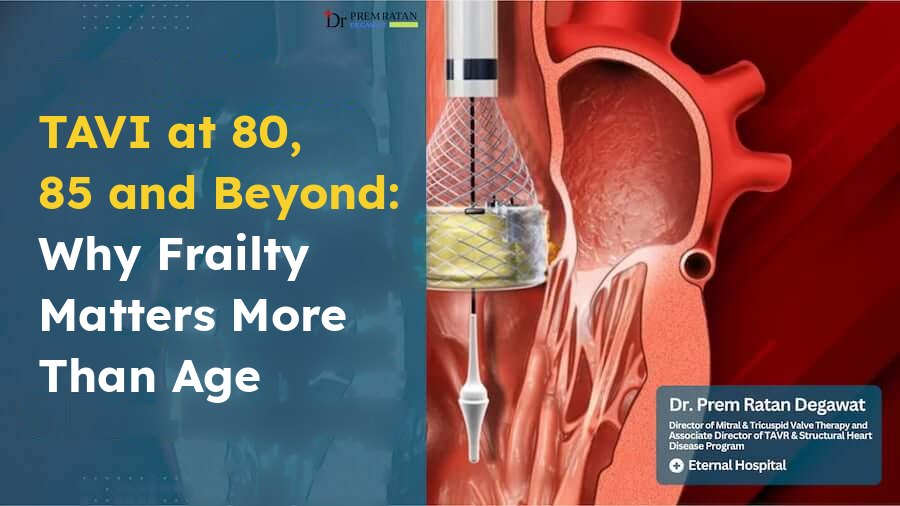
There is no fixed upper age limit for TAVI. People in their late 80s and 90s have the procedure when the valve is the main thing holding them back. What decides it is frailty, memory, other illnesses and whether the procedure can realistically give back good years, not the date of birth.
That is also the honest answer to the question families ask most often in clinic: “Is my father too old for this?” Sometimes the answer is no. Sometimes the answer is that the valve is not his biggest problem any more.
| Question | Why it matters more than age |
|---|---|
| Can he walk, dress and bathe on his own? | Independence before TAVI predicts recovery after it |
| Is his memory intact? | Cognitive decline limits what a new valve can give back |
| Is he losing weight or muscle? | Low muscle and low albumin predict a harder year after the procedure |
| What else is he living with? | Advanced kidney, lung or cancer illness can outweigh the valve |
| What does he want? | Goals of care decide whether a procedure is the right tool at all |
Why is age the wrong question?
Two people aged 84 can be completely different patients. One walks to the market every morning and manages her own medicines. Another has been mostly in bed for a year after a stroke. The birth certificate is identical; the likely result of a valve procedure is not.
Guidelines have also moved. The 2025 ESC/EACTS valve guidelines lowered the age from which TAVI is generally recommended over surgery from 75 to 70. That is a lower threshold, not an upper one. Nothing in these guidelines closes the door at 80 or 85.
For the general criteria, our TAVI eligibility guide covers who qualifies. This article is about the older end of that range.
What does frailty actually mean?
Frailty is a loss of physical reserve. A frail person copes with daily life, but a fall, an infection or a hospital stay can tip them into a lasting decline. It is measured, not guessed from how someone looks in a wheelchair at the OPD door.
The largest study on this, the FRAILTY-AVR study by Afilalo and colleagues, followed 1,020 patients with a median age of 82 who had TAVI or surgical valve replacement. Depending on the scale used, between 26% and 68% of them were frail.
A short four-item tool, the Essential Frailty Toolset, predicted outcomes best. It checks:
- Leg strength, by timing how quickly the person can stand up from a chair several times
- Memory and thinking, with a brief bedside test
- Anaemia, from a routine blood count
- Albumin, a blood protein that falls with poor nutrition
Frail patients on this tool had about 3.7 times the odds of dying within a year of the procedure, and higher odds of worsening disability. That does not mean frail patients should never have TAVI. It means frailty has to be part of the conversation, with numbers rather than impressions.
Other checks commonly used alongside it include walking speed over a short distance, recent weight loss, and whether the person needs help with basic daily tasks.
What happens if severe aortic stenosis is left untreated?
Once severe aortic stenosis causes symptoms, it does not stay still. Breathlessness, chest pain on effort and fainting are signs that the heart is struggling to push blood through the narrowed valve.
The clearest evidence comes from the PARTNER trial cohort reported by Leon and colleagues in 2010. It enrolled 358 patients with severe aortic stenosis whom surgeons judged unsuitable for open surgery. At one year, 50.7% of those given standard medical treatment had died, compared with 30.7% of those who had TAVI. Among survivors, 58.0% of the medically treated group still had severe symptoms, against 25.2% after TAVI.
The same trial also recorded more major strokes and vascular complications at 30 days in the TAVI group. Devices and techniques have changed since 2010, but the basic point holds: untreated symptomatic severe aortic stenosis carries a high risk within one to two years. Medicines can ease fluid build-up, but they do not open a narrowed valve.
How is an 80- or 85-year-old assessed?
The valve tests are the same as for any TAVI patient, starting with an echo and a CT scan. Our guide to reading an echo report (in Hindi) explains the numbers. For an older patient, the conversation around those tests matters as much as the tests.
Beyond the valve itself, the assessment looks at five things:
1. Daily function. What the person could do a year ago and what they can do now. A decline caused by the valve may reverse. A decline caused by something else usually will not. 2. Memory. Mild forgetfulness is common. Moderate or advanced dementia changes the likely benefit and the recovery plan. 3. Other illnesses. Kidney function, lung disease, previous stroke, cancer and nutrition. 4. Support at home. Someone needs to help with medicines, meals and follow-up visits for the first few weeks. 5. The patient’s own goals. Some want to walk to the temple again. Some mainly want to breathe comfortably at home. Both are reasonable, and they lead to different decisions.
The question the Heart Team is trying to answer is simple to state: will this procedure add good years, or only add a procedure? When the answer is unclear, a second opinion is a fair request.
What does recovery look like for a fit patient versus a frail one?
The two patients below are hypothetical examples, used only to show the difference.
A fit 84-year-old who walks daily and lives with family is often up and walking within a day. Most go home within a few days. Breathlessness usually improves over the following weeks as the heart works against a normal valve.
A frail 78-year-old with weight loss, low albumin and early memory problems may have a technically perfect procedure and still recover slowly. There is more risk of delirium in hospital, muscle loss and readmission. Some regain function with physiotherapy and nutrition support. Some do not.
Neither outcome is predictable from age. That is why the frailty assessment happens before the decision, not after. If the family is travelling from outside Rajasthan, our guide for outstation families explains how to plan the stay.
When is comfort care the right answer?
Sometimes the valve is severe but the person is near the end of life for other reasons. The 2021 ESC/EACTS guidelines advise against valve intervention in patients with severe other illnesses when it is unlikely to improve quality of life or extend survival beyond a year.
In practice, this includes advanced dementia, bed-bound patients whose immobility has another cause, and advanced cancer. Comfort care is not “doing nothing”. It means medicines to ease breathlessness and fluid build-up, managing pain, and planning care at home with the family.
Saying no to a procedure is a medical decision like any other, and it should be explained just as carefully as saying yes.
A World Heart Day message: do not call it “just old age”
The meta-analysis by Osnabrugge and colleagues pooled data on 9,723 people over 75. About 12.4% had some aortic stenosis and 3.4% had severe aortic stenosis. Among those with severe, symptomatic disease, 40.5% were not treated surgically.
A common story behind a late diagnosis is breathlessness or tiredness that the family put down to age. If a parent over 75 has become breathless on stairs, stopped walking as far, or fainted, ask for an echo. It is a painless test, and the answer changes what is possible.
You can read about others who went through this in our TAVI patient stories. To discuss a parent’s reports, arrange a TAVI consultation with Dr. Prem Ratan Degawat in Jaipur.
About Dr. Prem Ratan Degawat
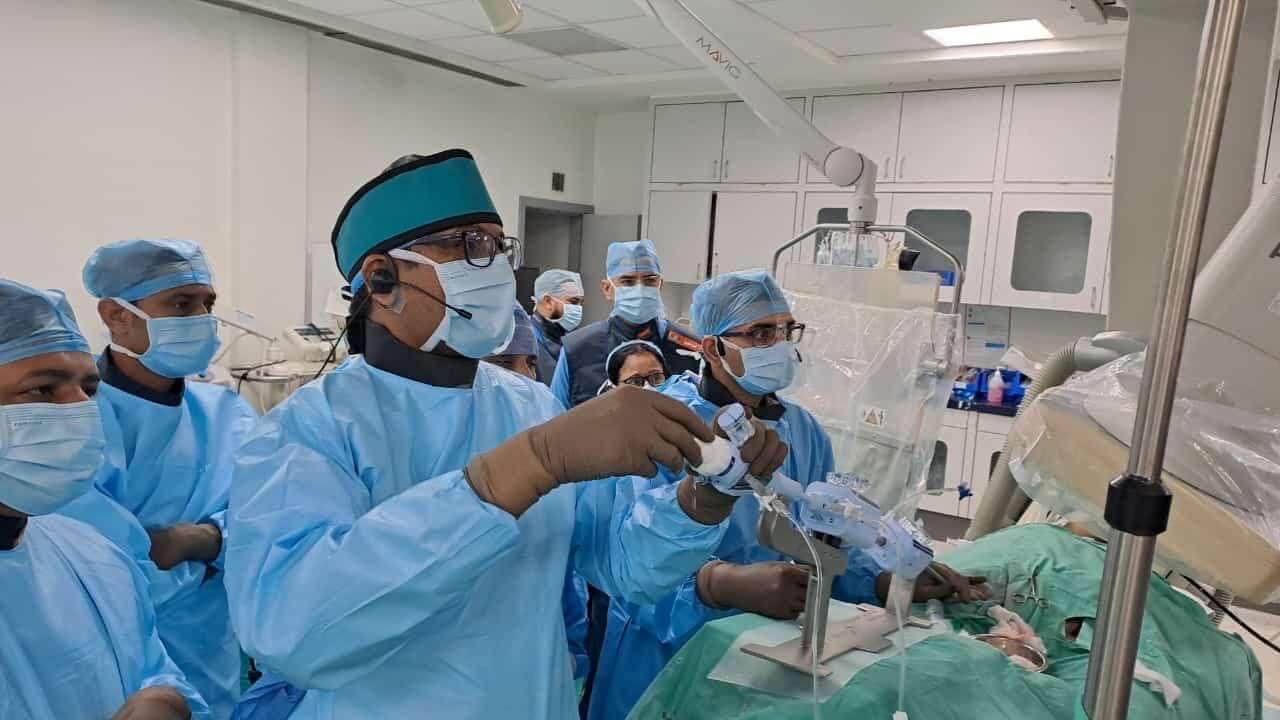
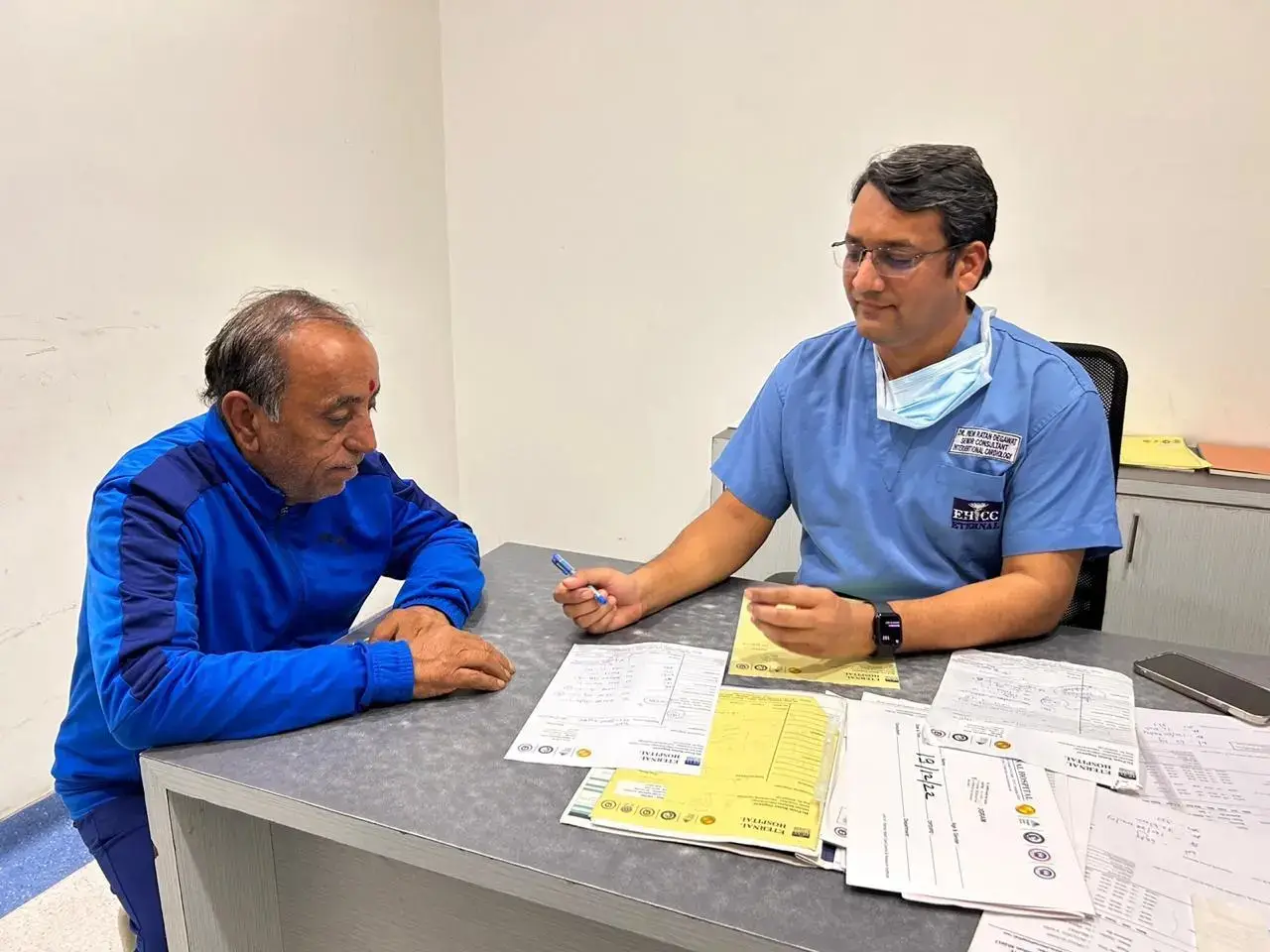

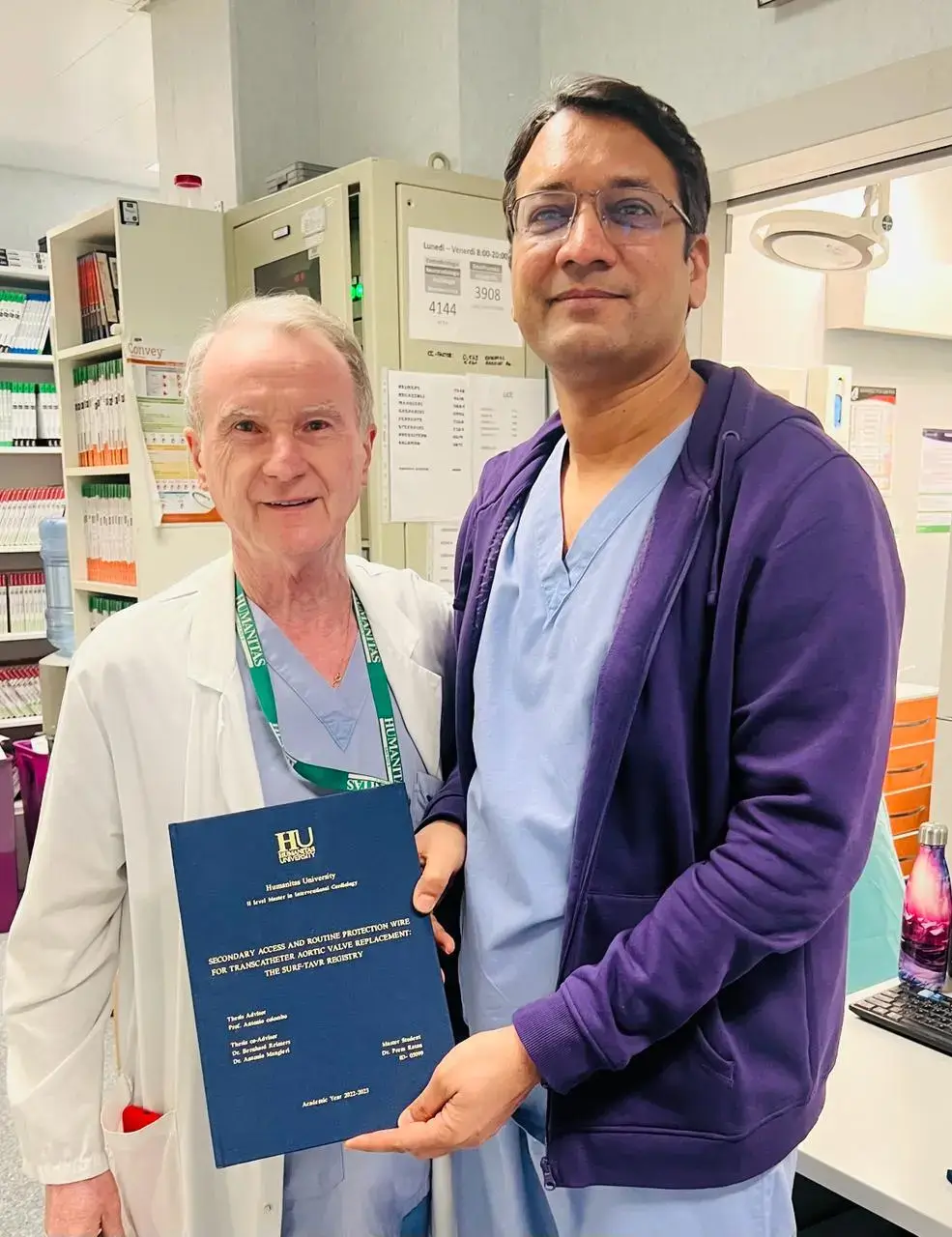
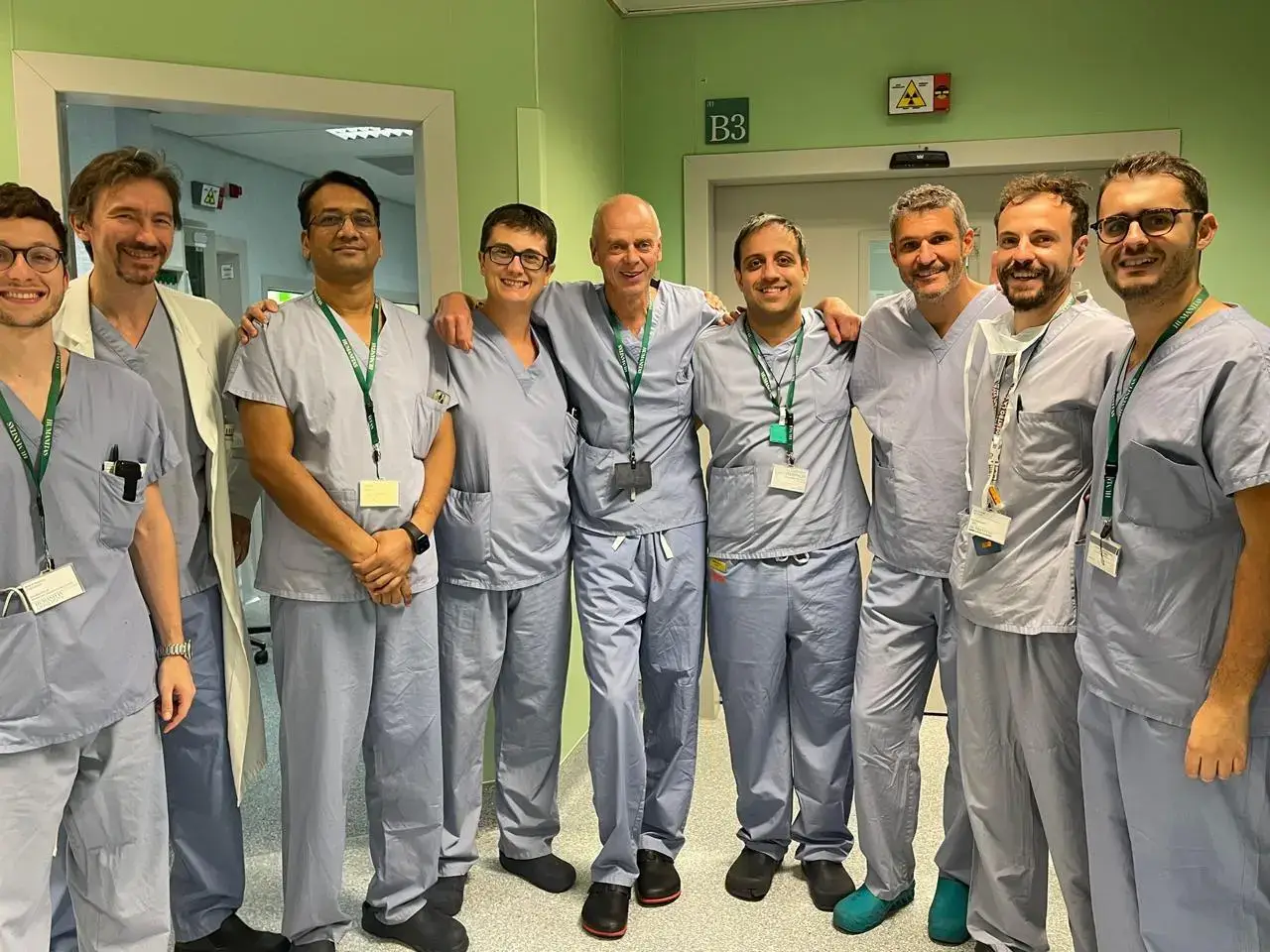
Dr. Prem Ratan Degawat is Associate Director of the TAVR & Structural Heart Disease Program and Director of the Mitral & Tricuspid Valve Program at Eternal Hospital, Jaipur.
He completed his DM in Cardiology at King George’s Medical University, Lucknow, and trained in advanced structural heart intervention at IRCCS Humanitas, Italy.
- Clinic: 6/384, In front of Railway Headquarter, Sector 6, Malviya Nagar, Jaipur, Rajasthan 302017
- Hospital for procedures: Eternal Hospital, 3A Jagatpura Road, Near Jawahar Circle, Jaipur 302017
- OPD: Monday to Saturday, 10:00 AM to 4:00 PM
- Contact: +91-8960594076
FAQs
Is there an upper age limit for TAVI?
No fixed upper age limit exists in the guidelines. People in their late 80s and 90s have TAVI when the valve is the main cause of their symptoms. The decision depends on frailty, memory, other illnesses and the person’s goals. Age alone neither qualifies nor disqualifies someone for the procedure.
Is TAVI safer than open surgery for someone over 80?
For most people over 80 with severe aortic stenosis, TAVI avoids opening the chest and usually means a shorter recovery. It still carries risks, including stroke, bleeding, vascular injury and the need for a pacemaker. The Heart Team weighs these against the risks of surgery for each patient.
How is frailty checked before TAVI?
Frailty is measured rather than judged by appearance. Common checks include timed standing from a chair, walking speed, a brief memory test, blood tests for anaemia and albumin, recent weight loss and independence in daily tasks. Together they help predict how well someone will recover after the procedure.
Can medicines alone treat severe aortic stenosis in an elderly patient?
Medicines can ease breathlessness and fluid build-up, but they cannot open a narrowed valve. In the PARTNER trial, half of patients with severe aortic stenosis treated without valve replacement died within a year. When a procedure is not appropriate, medicines become part of comfort-focused care.
My father has mild memory problems. Can he still have TAVI?
Often, yes. Mild memory problems are common at this age and do not rule out TAVI. The team checks memory before the procedure because confusion after hospital stays is more likely. Moderate or advanced dementia changes the balance of benefit, so it needs an honest family discussion.