Medically reviewed by Dr. Prem Ratan Degawat, MD, DM (Cardiology)
Senior Interventional Cardiologist · Director, Mitral & Tricuspid Valve Therapy · Associate Director, TAVR & Structural Heart Disease Program, Eternal Hospital, Jaipur
Last updated on Aug 28, 2026 · View LinkedIn profile
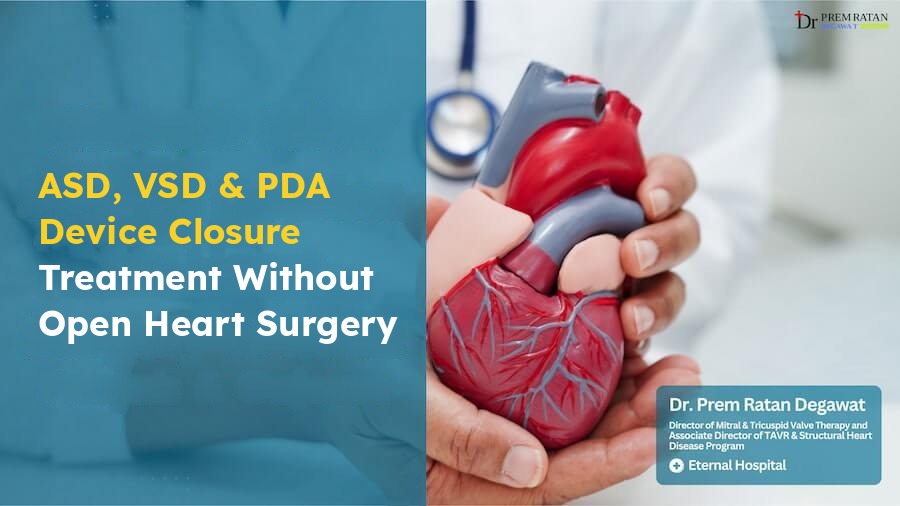
Many congenital heart defects can now be closed with a small implant passed through a vein in the leg, with no chest incision and no heart-lung machine. The procedure is called device closure. Most patients walk the next morning and go home within a day or two.
That is the short answer. The longer answer is that not every defect qualifies, and deciding who qualifies is most of the work.
| Defect | What it is | Usual device route |
|---|---|---|
| ASD (atrial septal defect) | An opening between the two upper chambers of the heart | Yes, if it is the secundum type with adequate rims |
| VSD (ventricular septal defect) | An opening between the two lower chambers | Sometimes, and the selection is stricter |
| PDA (patent ductus arteriosus) | A foetal blood vessel that should close after birth and did not | Yes, in most cases |
What device closure actually involves
You lie on the cath lab table awake, with sedation and local anaesthesia at the groin. There is no general anaesthesia in most adult cases.
A thin tube goes into the femoral vein at the top of the leg. Under X-ray and echocardiography guidance, that tube is advanced to the heart and across the defect. The device, which is a small mesh implant shaped like two discs joined at the waist, is pushed through the tube and opened on both sides of the opening. The discs sit against the walls and sandwich the defect shut.
Nothing is stitched. Over the following months your own tissue grows over the mesh and it becomes part of the wall.
The whole thing usually takes under an hour. You are awake for it, and you will hear the team talking.
Which defects can be closed with a device and which cannot
This is the part patients most want a straight answer on, so here it is.
ASD. Only the secundum type is suitable. That is the most common variety, sitting in the middle of the wall between the atria. It works because the defect has a border of tissue all around it, called a rim, that the device can grip. Primum and sinus venosus defects sit at the edge of the septum with no usable rim on one side. Those still need surgical repair, and I say so plainly when the echo shows it.
PDA. Most are closable with a duct occluder or a coil. The vessel is a tube, and a plug sits in it well.
VSD. The most selective of the three. Muscular defects in the middle of the septum are the friendliest. Perimembranous defects sit close to the heart’s electrical conduction system, and pressure from a device there can cause heart block that needs a permanent pacemaker. That risk is the reason VSD device closure is offered to fewer patients than ASD closure, and it is the risk I spend the most time explaining.
The 2020 AHA/ACC Guideline for the Management of Adults With Congenital Heart Disease recommends closing a secundum ASD when there is right heart enlargement and evidence of a significant shunt, even in patients who feel well. That last part matters, because plenty of adults with a sizeable ASD say they feel fine.
How the decision actually gets made
A defect on a report is not by itself a reason to close anything. Before I commit to a device I want four things answered.
First, is the right side of the heart enlarged. A defect that has been shunting blood for years stretches the right atrium and right ventricle. That enlargement, more than the size of the hole, is what tells me the heart is carrying a load it should not.
Second, what do the rims look like. This needs a transoesophageal echo, where the probe goes down the food pipe and sits directly behind the heart. Surface echo is not enough to size an ASD properly. I have sent patients for a TOE after a normal-looking surface study and found the rim was too thin to hold a device.
Third, what are the lung pressures. If pulmonary pressure has already climbed too high, closing the defect can make a patient worse rather than better. This is the single most important reason not to rush.
Fourth, is there anything else going on. Adults sometimes arrive with an ASD and atrial fibrillation together, or with valve disease alongside. The plan has to account for all of it.
If you want to understand the tests themselves, we have written them up in plain language in our guide to heart tests in Jaipur.
The day of the procedure
You come in the day before or the same morning, depending on the case. Blood work is reviewed. You stop eating from midnight.
In the lab, the groin is numbed. Access is taken, the defect is crossed, and the size is measured. Then the device is opened and, before anything is released, we check the position from several angles and confirm there is no leak around the edges and nothing is pressing on a nearby valve. Only then does the device come off its cable.
You lie flat for a few hours afterwards so the groin site seals. Most patients eat dinner the same evening.
Afterwards
You will be on a blood thinner for a period, usually aspirin, while the surface of the device heals over. The exact duration depends on the device and the defect, and I set it case by case.
You will need an echo before discharge, and again at intervals over the first year. Antibiotic cover before dental work matters for the first six months after implantation.
Most people return to desk work within a week. Heavy lifting waits longer.
What surprises adults most is how much better they feel. Someone who has spent years assuming they were simply unfit often notices within weeks that stairs stopped being an event.
When I do not close a defect
Being honest about this is more useful than a list of successes.
I do not close a small defect that is causing no chamber enlargement and no symptoms. It does not earn the implant.
I do not close when pulmonary pressures are too high, because the defect may be acting as a relief valve at that stage.
I do not close a defect with an inadequate rim just because the family would prefer to avoid surgery. A device that embolises is a far worse day than a planned operation.
And I do not close a perimembranous VSD without a long conversation about the pacemaker risk first.
Device closure sits in the same family of work as the other structural procedures we do in Jaipur, including left atrial appendage closure and paravalvular leak closure, and the same principle applies across all of them. The catheter route is a better route only when the anatomy suits it.
If you are weighing an operation you have already been offered, a second opinion before heart surgery is a reasonable thing to ask for, and no cardiologist should mind you asking.
Where this is done in Jaipur
These procedures are performed at Eternal Hospital, Jaipur, in the same cath lab used for our TAVI and structural heart work. Bring your echo report and any previous records to the first visit. If you are travelling from outside Rajasthan, send the reports ahead so the visit is useful rather than exploratory.
You can read more about the practice on our page for interventional cardiology in Jaipur.
About Dr. Prem Ratan Degawat
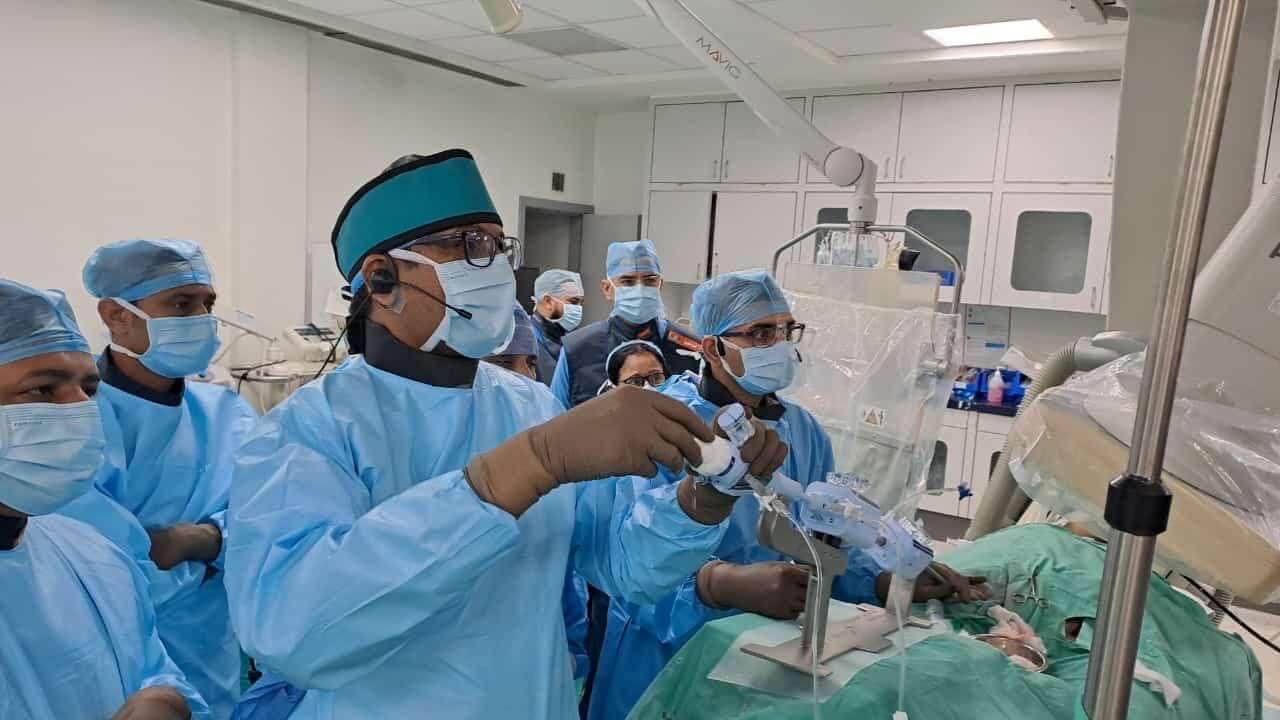
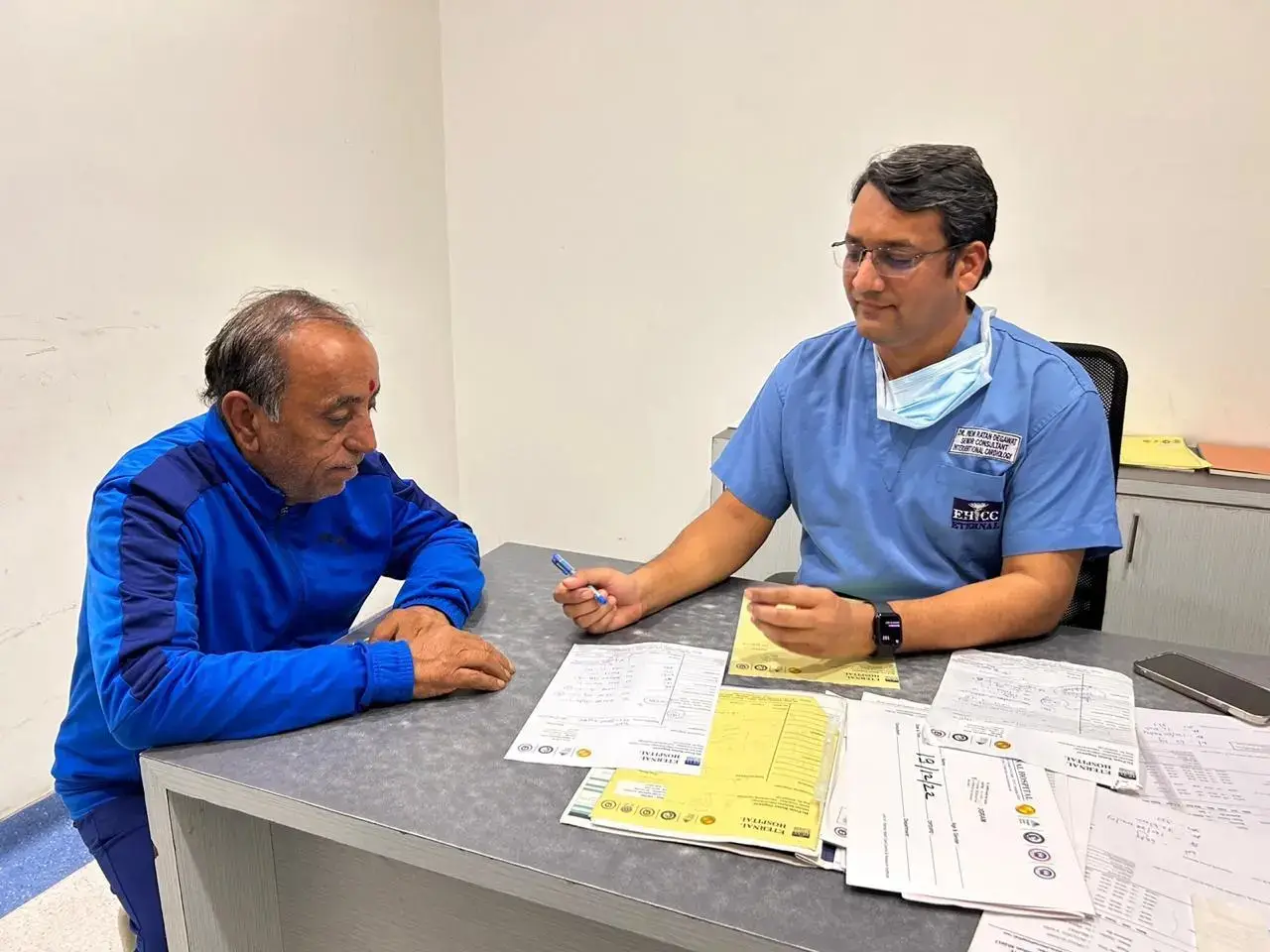
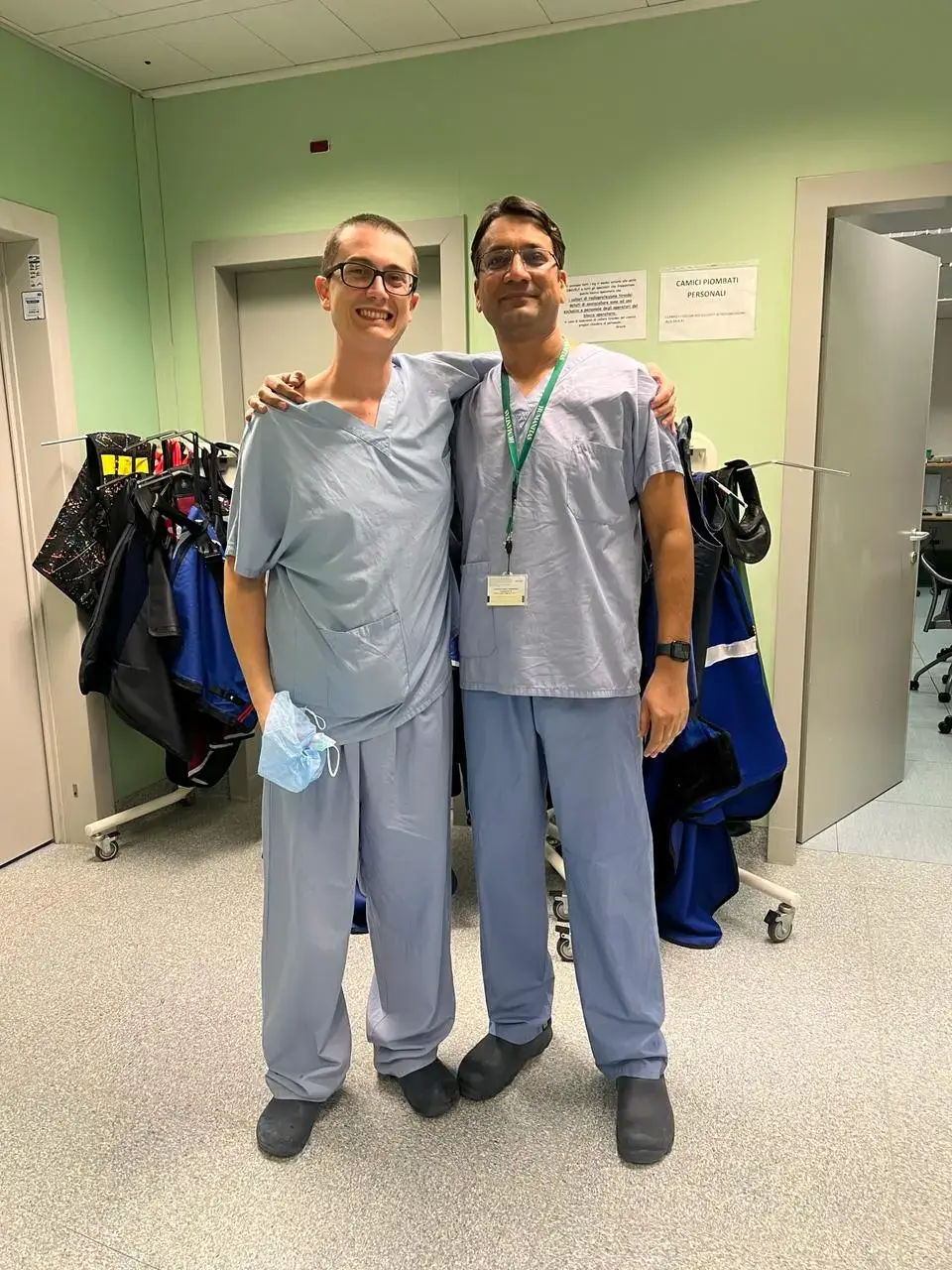
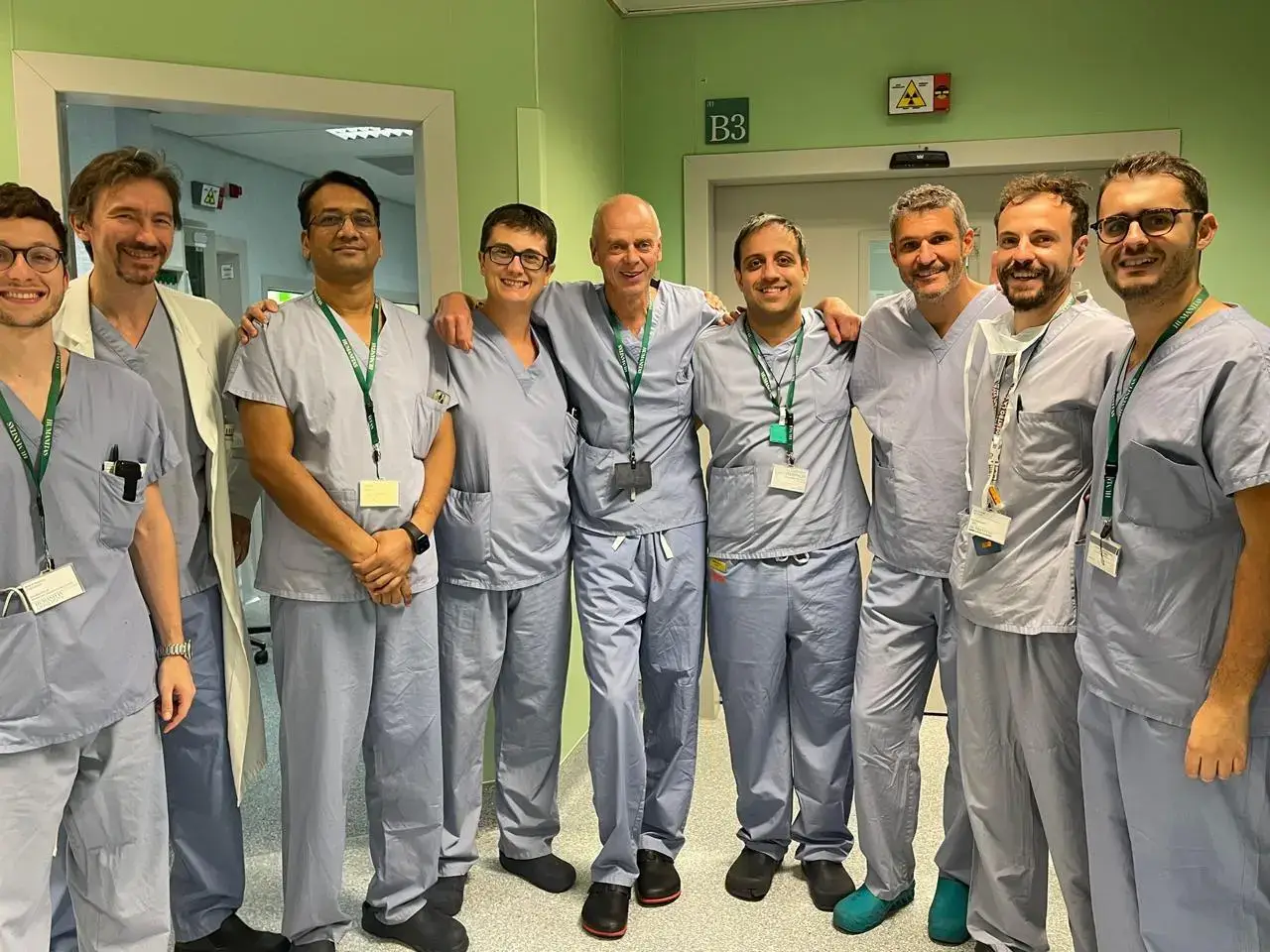
Dr. Prem Ratan Degawat is a senior interventional cardiologist in Jaipur who specialises in structural heart disease. He is Associate Director of the TAVR and Structural Heart Disease Program at Eternal Hospital and has performed more than 600 TAVI procedures, including bicuspid, valve-in-valve, and TAVR-in-TAVR cases.
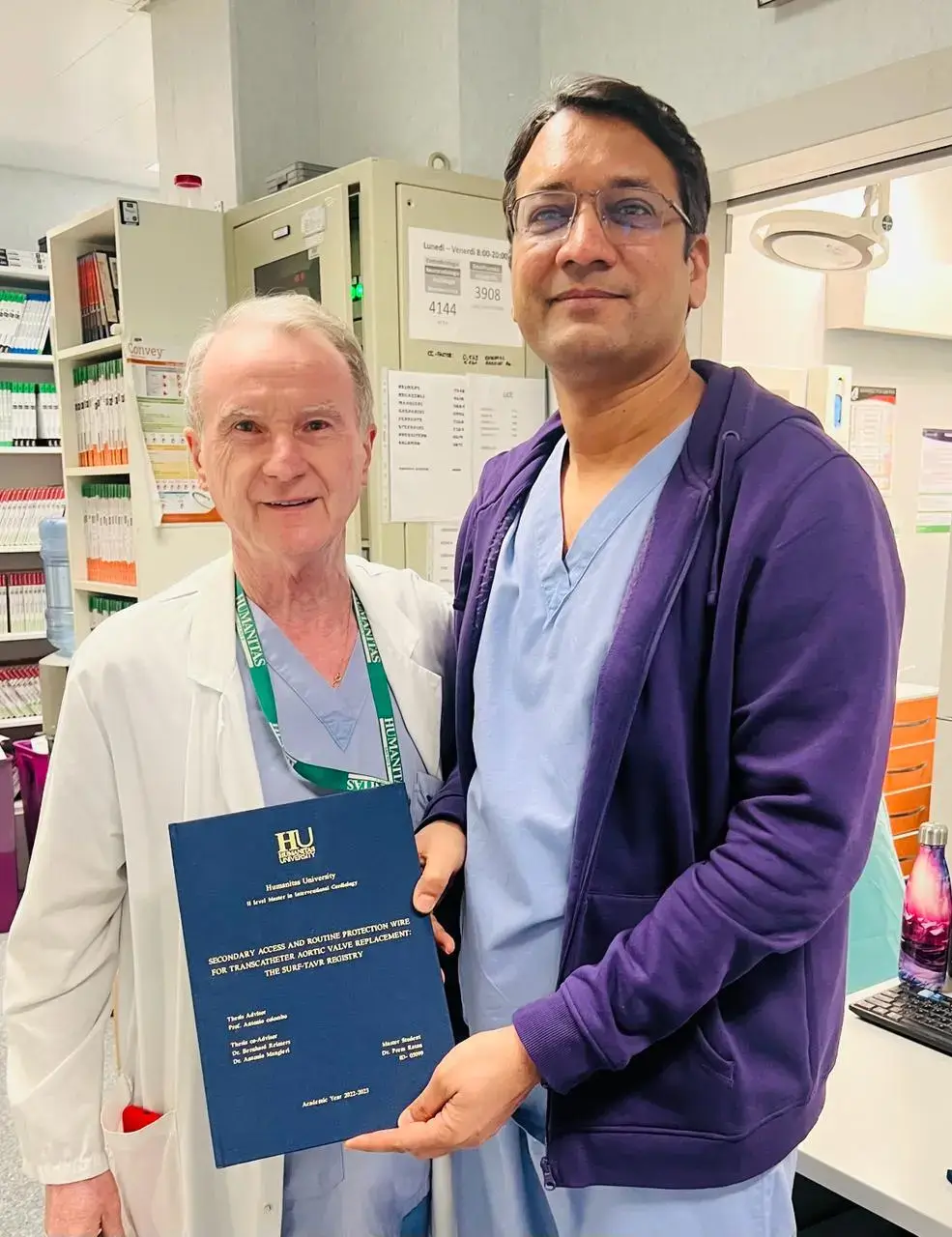
He completed his DM in Cardiology at King George’s Medical University, Lucknow, and trained in advanced structural heart intervention at IRCCS Humanitas in Italy. He is among a small number of cardiologists in India certified in TAVI, MitraClip, TRI-Clip, and TMVR procedures.
Dr. Degawat is known for explaining conditions and options in plain language, so patients and families can decide with confidence.
Consultation details:
- Hospital: Eternal Hospital, 3A Jagatpura Road, Near Jawahar Circle, Jaipur 302017
- OPD: Monday to Saturday, 10:00 AM to 4:00 PM
- Clinic: 6/384, In front of Railway Headquarter, Sector 6, Malviya Nagar, Jaipur
- Contact: +91-8960594076
FAQs:
Is device closure safer than open heart surgery?
For the right anatomy, it avoids a chest incision, the heart-lung machine and a long recovery. That is a real advantage. But safety depends on suitability, not on the route itself. A defect that is wrong for a device is safer treated surgically.
How long does the device stay in the heart?
Permanently. Within a few months your own tissue grows over the mesh and covers it. It is not removed and does not need replacing.
Will I need a pacemaker afterwards?
For ASD and PDA closure this is uncommon. The concern is mainly with perimembranous VSD closure, where the device sits near the conduction system. I discuss that risk in detail before offering it.
Can an adult have an ASD closed, or is it only for children?
Adults are closed regularly, and many are diagnosed only in adulthood. The 2020 AHA/ACC congenital heart disease guideline supports closing a secundum ASD in adults with right heart enlargement and a significant shunt.
What tests do I need before the procedure?
An ECG and a surface echocardiogram to start. A transoesophageal echo is usually needed to size the defect and assess the rims properly. Some patients also need an assessment of lung pressures.
How soon can I go back to work?
Most people doing desk work return within about a week. Heavy physical work and gym training wait longer, and I set that individually.
Does a small hole always need closing?
No. A small defect causing no chamber enlargement and no symptoms is often watched rather than closed. Treatment should follow the load on the heart, not the presence of a finding on a report.