Medically reviewed by Dr. Prem Ratan Degawat, MD, DM (Cardiology)
Senior Interventional Cardiologist · Director, Mitral & Tricuspid Valve Therapy · Associate Director, TAVR & Structural Heart Disease Program, Eternal Hospital, Jaipur
Last updated on April 4, 2026 · View LinkedIn profile
If you’ve been advised to get a pacemaker and are researching costs in Jaipur, this complete guide covers everything you need to know about pacemaker surgery prices, types, procedure details, and what to expect in 2026.
Pacemaker Surgery Cost in Jaipur
The total cost of pacemaker implantation in Jaipur ranges from ₹2,40,000 to ₹4,50,000, depending on the type of device, hospital facilities, and medical complexity.
Cost Breakdown by Pacemaker Type
Single Chamber Pacemaker
- Device cost: ₹41,000 – ₹55,000
- Total procedure cost: ₹2,40,000 – ₹2,80,000
- Best for: Simple bradycardia affecting only one heart chamber
Dual Chamber Pacemaker
- Device cost: ₹60,000 – ₹1,00,000
- Total procedure cost: ₹2,80,000 – ₹3,50,000
- Best for: Heart block or arrhythmias affecting both atria and ventricles
Biventricular Pacemaker (CRT)
- Device cost: ₹2,00,000 – ₹3,00,000
- Total procedure cost: ₹3,80,000 – ₹4,50,000
- Best for: Heart failure with synchronization issues
What’s Included in the Pacemaker Surgery Price?
The total cost typically covers:
- Pre-operative tests (ECG, echocardiogram, blood work)
- Pacemaker device
- Implantation procedure
- Anesthesia charges
- Hospital room (1-2 days)
- Post-operative monitoring
- Initial follow-up consultations
- Programming and device testing
Understanding Pacemaker Types: Which One Do You Need?
Single Chamber Pacemaker
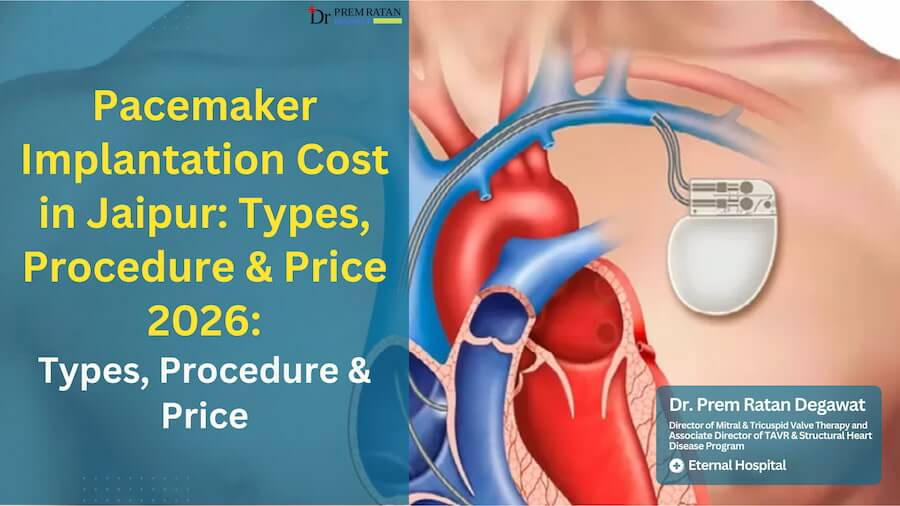
This device has one lead wire that connects to either the right atrium or right ventricle. It’s recommended when only one chamber needs pacing support, typically for patients with simple slow heart rhythms.
Dual Chamber Pacemaker
With two lead wires connecting to both the right atrium and right ventricle, this type helps coordinate the timing between upper and lower heart chambers. It’s ideal for patients with complete heart block or sick sinus syndrome.
Biventricular Pacemaker (CRT – Cardiac Resynchronization Therapy)
This advanced device has three leads and helps both ventricles contract simultaneously. It’s prescribed for patients with heart failure and poor coordination between the heart’s chambers, improving overall heart function.
Temporary vs Permanent Pacemaker
Temporary Pacemaker
- Cost: ₹25,000 – ₹50,000
- Used during emergencies or after heart surgery
- External device connected through wires
- Short-term solution (days to weeks)
Permanent Pacemaker
- Cost: ₹2.4 – ₹4.5 lakhs
- Long-term solution for chronic conditions
- Implanted under the skin
- Lasts 7-15 years depending on battery life
Who Needs a Pacemaker?
Dr. Prem Ratan Degawat recommends pacemaker implantation for patients experiencing:
Bradycardia (Slow Heart Rate)
- Heart rate consistently below 60 beats per minute
- Symptoms include dizziness, fatigue, fainting
Heart Block
- First-degree: Electrical signals slow down (usually no pacemaker needed)
- Second-degree: Some signals don’t reach ventricles (may need pacemaker)
- Third-degree (Complete): No signals reach ventricles (pacemaker required)
Arrhythmias
- Irregular heartbeats causing poor blood circulation
- Atrial fibrillation with slow ventricular response
- Sick sinus syndrome
Heart Failure
- Left bundle branch block
- Reduced ejection fraction
- Poor synchronization between heart chambers (requires CRT)
The Pacemaker Implantation Procedure
Before Surgery
- Complete cardiac evaluation
- ECG, echocardiogram, and blood tests
- Discussion of medications (may need to stop blood thinners)
- Fasting for 6-8 hours before procedure
During the Procedure (1-2 hours)
The implantation is performed under local anesthesia with mild sedation:
- Small incision made below the collarbone
- Lead wires threaded through veins into the heart using X-ray guidance
- Leads tested to ensure proper positioning
- Pacemaker device connected and placed in a pocket under the skin
- Incision closed with dissolvable stitches
After Surgery
- Monitoring for 4-6 hours
- Chest X-ray to confirm lead placement
- Same-day discharge possible in uncomplicated cases
- Most patients stay overnight for observation
Recovery Timeline After Pacemaker Surgery
First 24 Hours
- Rest and avoid sudden arm movements
- Keep incision site dry
- Pain managed with prescribed medications
Week 1
- Avoid lifting heavy objects (over 5 kg)
- No overhead arm movements on the pacemaker side
- Gentle activities permitted
Weeks 2-4
- Gradual return to normal activities
- Light exercise permitted
- Avoid contact sports
1 Month Onwards
- Resume all normal activities
- Most restrictions lifted
- Regular pacemaker check-ups scheduled
Insurance Coverage for Pacemaker Surgery
Good news: Most health insurance policies in India cover pacemaker implantation as it’s considered a medically necessary cardiac procedure.
Coverage typically includes
- Pre-operative diagnostic tests
- Pacemaker device cost
- Surgeon and hospital fees
- Post-operative care
Check with your insurance provider about
- Specific coverage limits
- Pre-authorization requirements
- Network hospitals in Jaipur
- Co-payment obligations
- Cashless facility availability
Leading insurance companies that generally cover pacemaker surgery include ICICI Lombard, Star Health, HDFC Ergo, Care Health, and government schemes like Ayushman Bharat.
Top Hospitals for Pacemaker Surgery in Jaipur
Dr. Prem Ratan Degawat performs pacemaker implantations at leading cardiac centers in Jaipur equipped with:
- Advanced catheterization labs
- 24/7 cardiac care units
- Experienced cardiac teams
- Latest pacemaker technology
- Complete follow-up programs
Reputable hospitals offering pacemaker services in Jaipur include Fortis Escorts Hospital, Eternal Heart Care Centre, SMS Hospital, Narayana Multispecialty Hospital, and CK Birla Hospital.
Life After Pacemaker: What to Expect
Regular Follow-ups
- First check-up: 1 week post-surgery
- Routine device checks: Every 3-6 months
- Battery life monitoring
- Lead function testing
Lifestyle Adjustments
Safe
- Normal physical activities after recovery
- Domestic appliances (microwave, TV, computer)
- Air travel (inform security about pacemaker)
- Driving (usually after 1 week)
Precautions
- Avoid strong magnetic fields
- Keep cell phones at least 6 inches from pacemaker
- Inform medical staff about pacemaker before MRI
- Avoid arc welding and high-voltage equipment
- Contact sports should be discussed with your doctor
Battery Life and Replacement
Pacemaker batteries typically last 7-15 years. When replacement is needed, only the device is changed while the leads usually remain in place, making it a simpler and less expensive procedure (approximately ₹1.5-2.5 lakhs).
Why Choose Dr. Prem Ratan Degawat for Pacemaker Implantation?
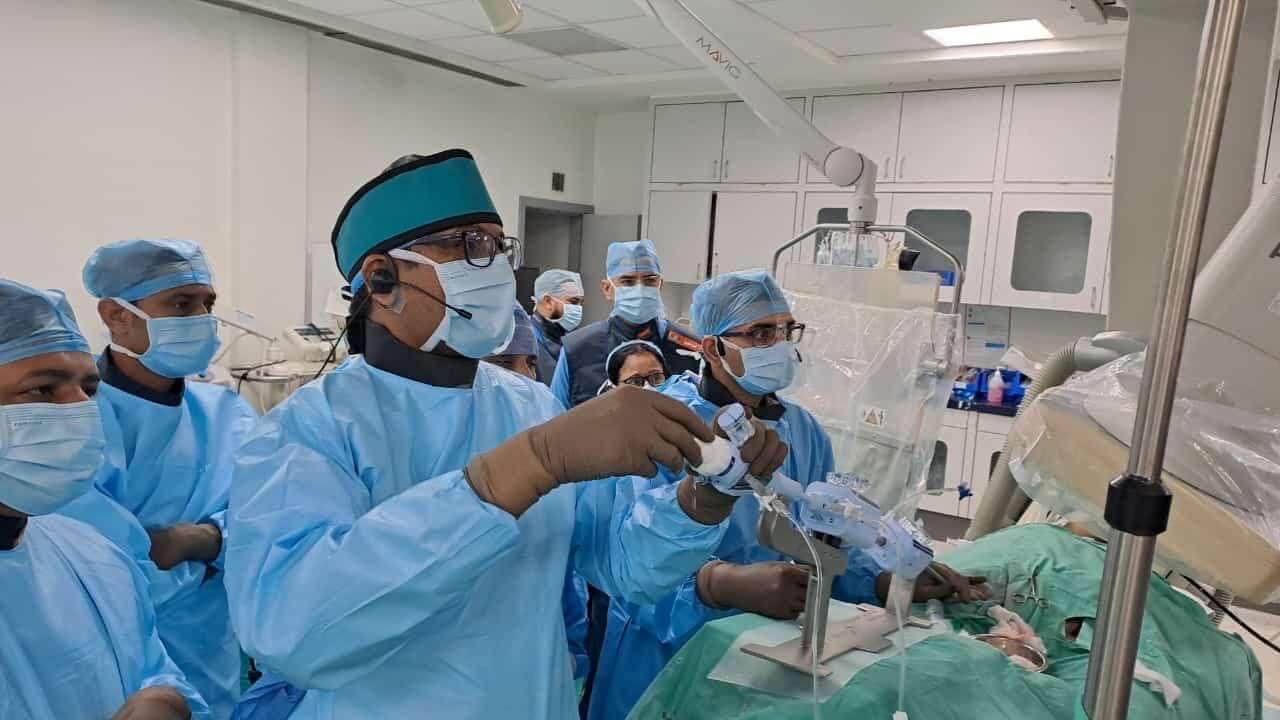
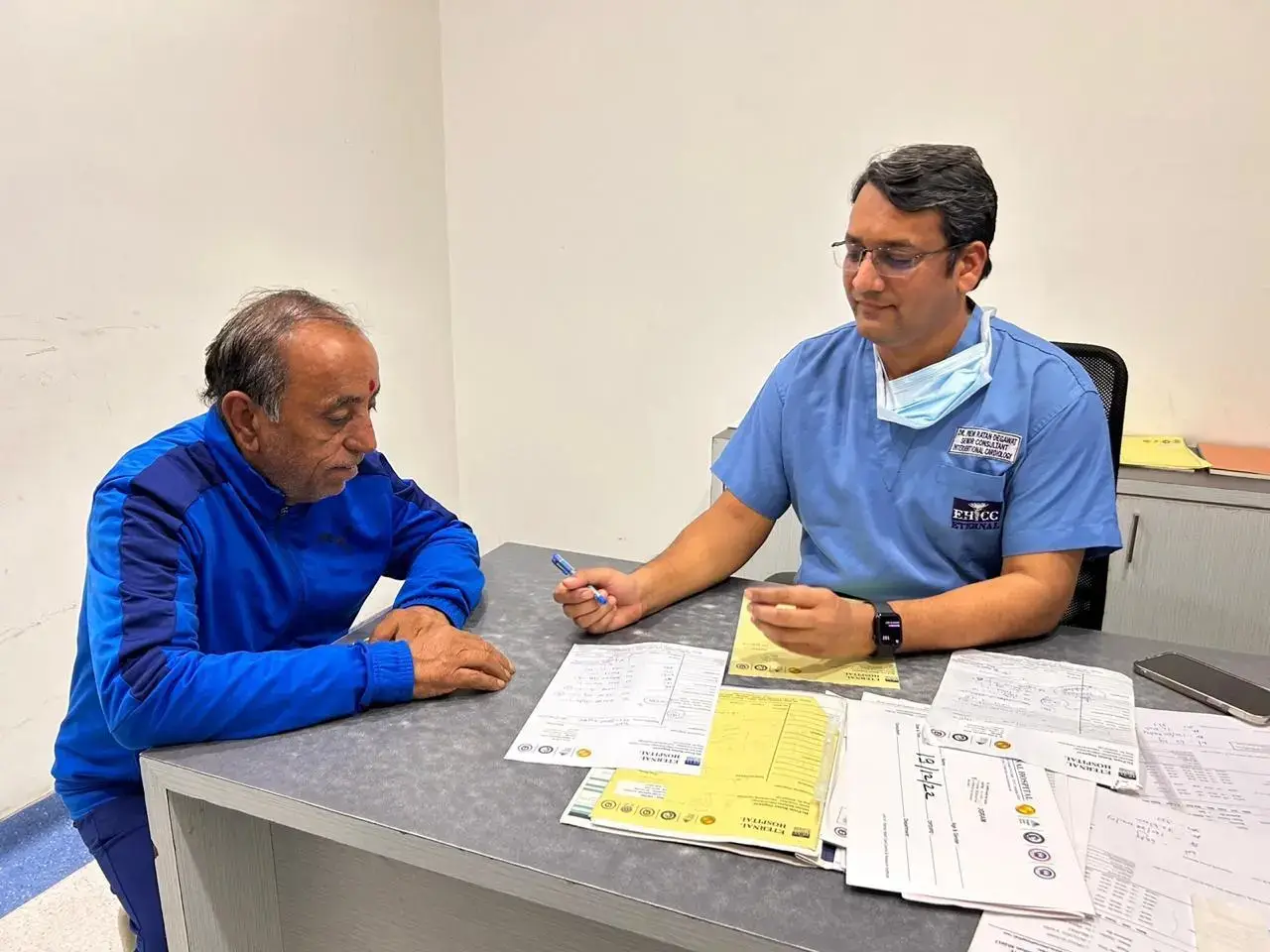
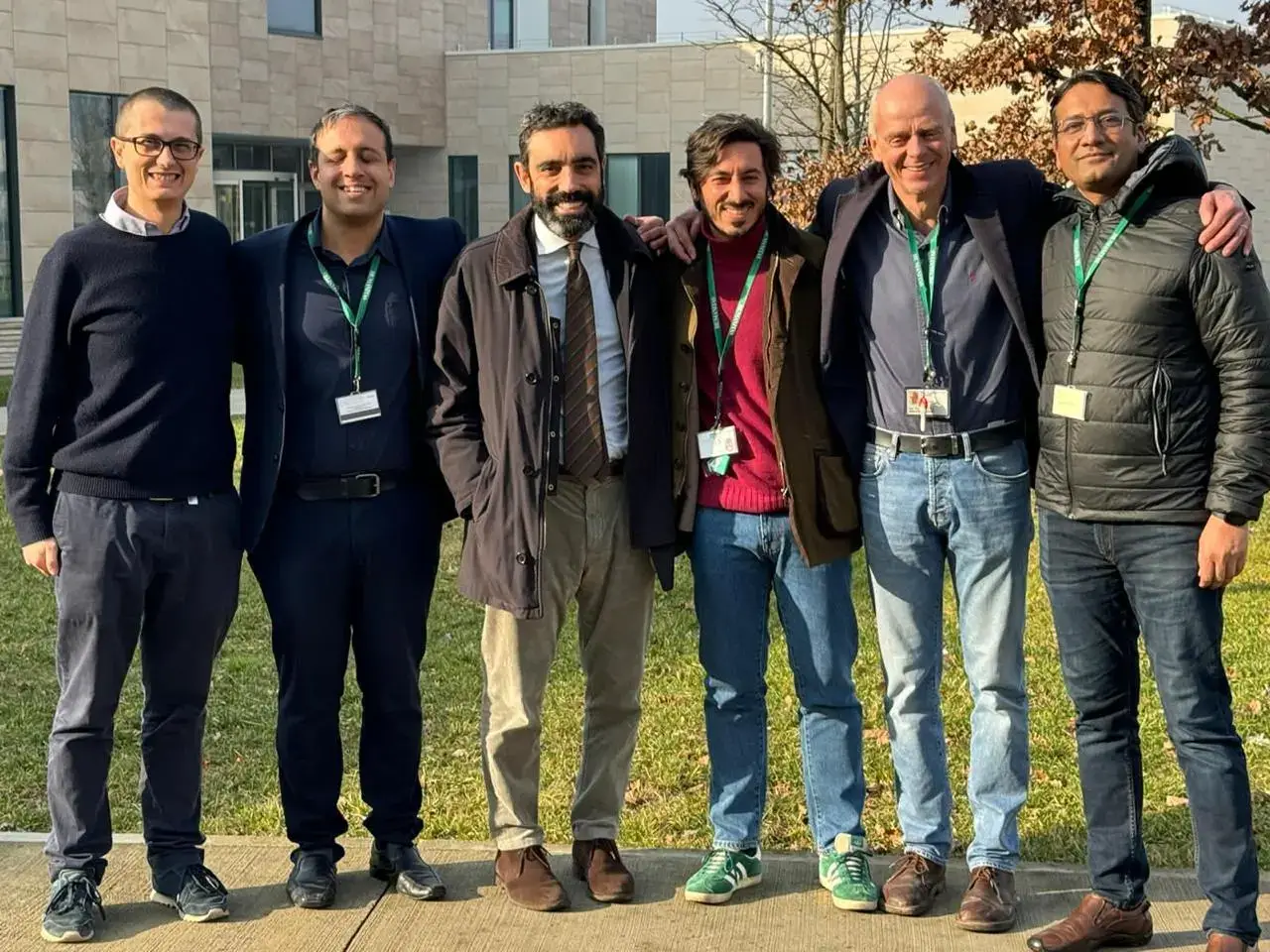
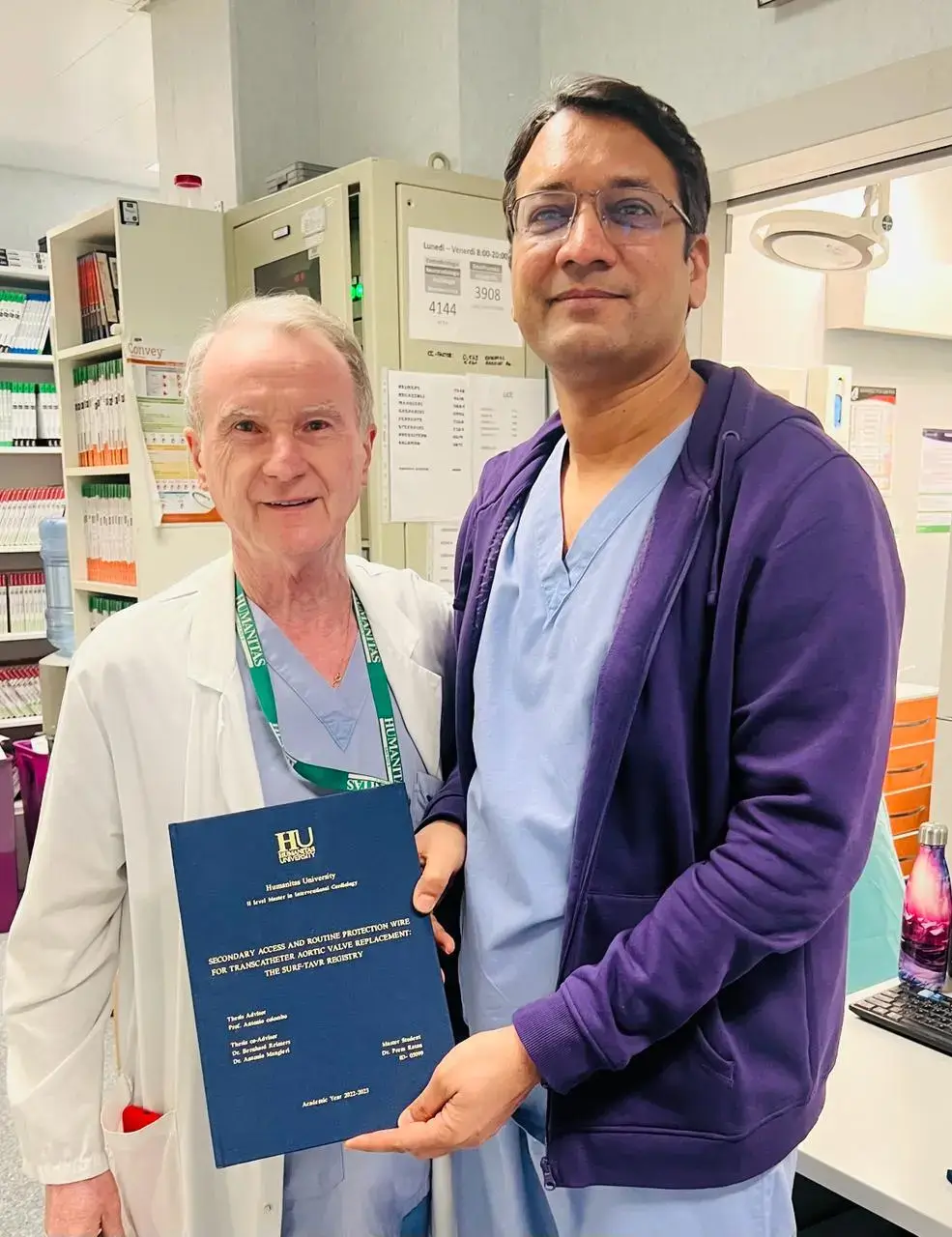
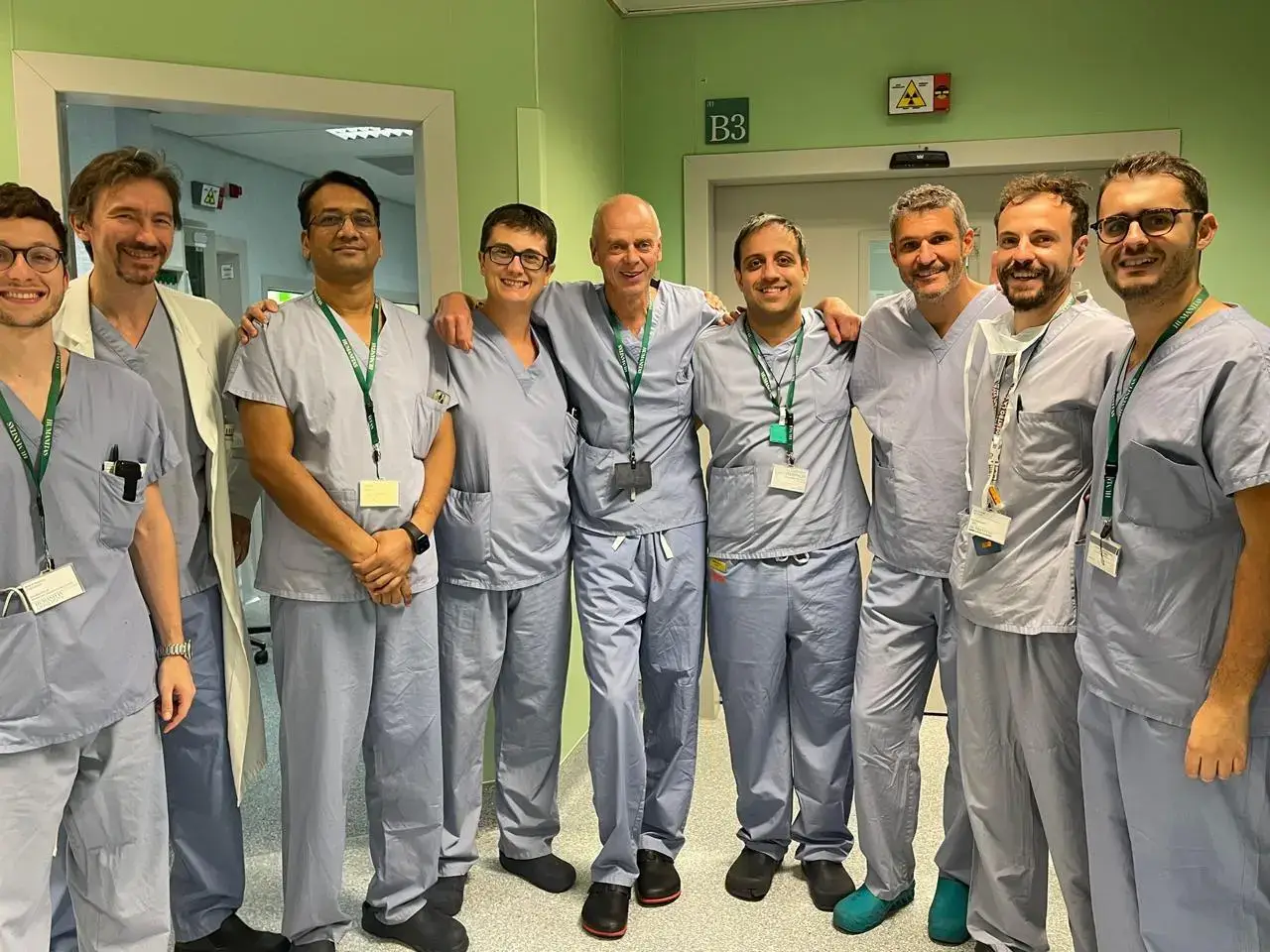
Dr. Prem Ratan Degawat brings extensive expertise in cardiac electrophysiology and pacemaker implantation to Jaipur. His patient-centric approach ensures:
- Thorough evaluation to determine the right pacemaker type
- Advanced implantation techniques for optimal device placement
- Minimal procedure time and quick recovery
- Complete post-operative care and follow-up
- Transparent cost discussion and insurance guidance
- 24/7 emergency support for pacemaker patients
Factors Affecting Pacemaker Cost in Jaipur
Several elements influence the final cost:
Device Technology
- Basic vs. advanced features
- MRI-compatible devices (slightly more expensive)
- Rate-responsive capabilities
- Remote monitoring features
Hospital Type
- Government hospitals: ₹1.5-2.5 lakhs
- Private hospitals: ₹2.4-4.5 lakhs
- Super-specialty centers may charge premium
Medical Complexity
- Single vs. multiple cardiac conditions
- Previous heart surgeries
- Anatomical challenges
- Additional procedures required
Length of Hospital Stay
- Same-day discharge vs. overnight stay
- ICU requirements
- Complications requiring extended care
Frequently Asked Questions
Is pacemaker surgery painful?
The procedure is performed under local anesthesia with sedation, so you won’t feel pain during surgery. Some soreness at the incision site is normal for a few days afterward.
How long does a pacemaker last?
Modern pacemakers typically last 7-15 years, depending on usage and settings. Battery life is regularly monitored during check-ups.
Can I drive after pacemaker surgery?
Most patients can resume driving within 1 week after surgery, but it’s best to confirm with your doctor based on your individual recovery.
Will I feel the pacemaker working?
Most people don’t feel their pacemaker working. You may feel a slight bulge under the skin where it’s implanted, but you won’t sense the electrical impulses.
Can I use a mobile phone with a pacemaker?
Yes, but keep your phone at least 6 inches away from the pacemaker. Use the ear opposite to your pacemaker side when talking.
Are airport security scanners safe?
Yes, but inform security personnel about your pacemaker. You have a pacemaker ID card to show. Walk through metal detectors normally but don’t linger.
Medical Disclaimer This information is for educational purposes and should not replace professional medical advice. Pacemaker costs and medical recommendations vary based on individual patient conditions. Always consult with Dr. Prem Ratan Degawat or a qualified cardiologist for personalized evaluation and treatment planning.