Medically reviewed by Dr. Prem Ratan Degawat, MD, DM (Cardiology)
Senior Interventional Cardiologist · Director, Mitral & Tricuspid Valve Therapy · Associate Director, TAVR & Structural Heart Disease Program, Eternal Hospital, Jaipur
Last updated on May 17, 2026 · View LinkedIn profile
What does it feel like to get a new heart valve without open surgery?
Ask Mr. Manak Chand. Or Mrs. Maya Devi. Or Mrs. Om Panwar.
These are real patients who came to Eternal Hospital Jaipur with severe aortic valve disease. All of them underwent TAVI under the care of Dr. Prem Ratan Degawat. All of them went home without a chest scar. All of them recovered in days, not months.
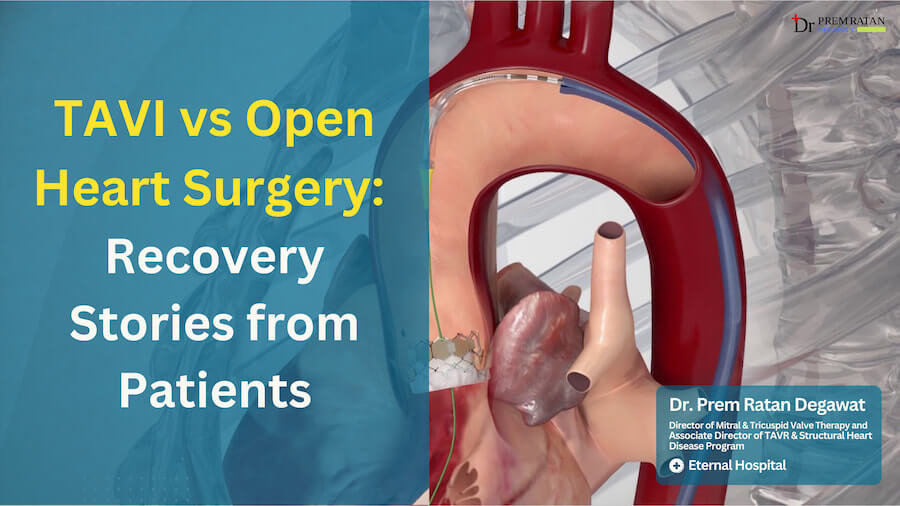
This article shares their actual stories. It also explains how TAVI compares to traditional open heart surgery, what recovery looks like for both, and how to know which option is right for you.
What Is TAVI?
TAVI stands for Transcatheter Aortic Valve Implantation. It is also called TAVR (Transcatheter Aortic Valve Replacement).
In TAVI, the cardiologist replaces a damaged heart valve without opening the chest. A thin tube called a catheter is inserted through a small puncture in the groin. The new valve travels through this tube directly into the heart.
The old damaged valve is not removed. The new valve pushes it aside and begins working immediately. There is no heart-lung machine in most TAVI cases. No sternum is cut. No ribs are spread apart.
Dr. Prem Ratan Degawat, Associate Director of the TAVR and Structural Heart Disease Program at Eternal Hospital Jaipur, has performed over 600 TAVI procedures. He is one of the few cardiologists in India trained for complex cases like Bicuspid Valve TAVI, Valve in Valve, and TAVR in TAVR.
What Is Open Heart Surgery for Valve Disease?
In traditional open heart surgery, the surgeon opens the chest by cutting the breastbone (sternum). The heart is stopped temporarily. A heart-lung machine keeps blood flowing during the procedure.
The damaged valve is removed and a new one is sewn into place. The chest is then closed with wires and stitches. The scar runs down the centre of the chest.
Open heart surgery has been the gold standard for decades. It works very well for younger, healthier patients with low surgical risk. The surgeon has direct access to the heart and can fix multiple problems in one operation.
TAVI vs Open Heart Surgery: Side-by-Side Comparison
| Factor | TAVI | Open Heart Surgery |
|---|---|---|
| Chest Opening | No | Yes (sternum cut) |
| Anaesthesia | Local or general | General only |
| Hospital Stay | 1 to 2 days | 7 to 14 days |
| ICU Stay | 1 to 2 days | 3 to 5 days |
| Recovery Time | 2 to 4 weeks | 6 to 8 weeks |
| Best Candidates | High-risk, elderly, frail | Low-risk, younger patients |
| Valve Durability | 10 to 15 years | 15 to 20 years |
| Cost in India | Rs 12 to 25 lakhs | Rs 3 to 8 lakhs |
| Govt Scheme | Chiranjeevi / Ayushman Bharat | Chiranjeevi / Ayushman Bharat |
Patient Recovery Stories from Dr. Degawat’s Cases
Dr. Prem Ratan Degawat has shared real TAVI procedure videos from Eternal Hospital Jaipur. These cases show the range of patients who benefit from TAVI.
TAVI Testimonial 1- Mr. Manak Chand Hiran
TAVI Testimonial 2- Mrs. Om Panwar
TAVI Testimonial 3- Mrs. Ugam Lata Gangwal
TAVI Testimonial 4- Mrs. Maya Devi
TAVI Testimonial 5- Mr. Jasti Veera Sekhara
TAVI Testimonial 6- Mr. Suresh Chand
TAVI Recovery Timeline: What Patients Actually Experience
Day 1 to 3: In Hospital
The groin puncture heals quickly. Most patients sit up within a few hours. They walk short distances by the next day. There is no chest pain from a sternum wound. Nurses remove the catheter sheath within hours of the procedure.
Week 1 to 2: At Home
Patients go home with simple instructions. No lifting more than 5 kilograms for two weeks. Short walks are encouraged from day one at home. Blood-thinning medicine is taken as prescribed. Most patients feel noticeably better within 10 days.
Week 3 to 4: Back to Normal
Most TAVI patients return to daily routines within 3 to 4 weeks. They can cook, attend functions, and go for light walks. Driving is allowed after 2 to 4 weeks depending on the doctor’s advice.
Open Heart Surgery Recovery Timeline
Day 1 to 7: ICU and Ward Stay
After open heart surgery, patients spend 3 to 5 days in ICU. A breathing tube is used initially. Pain at the sternum incision is managed with medication. Total hospital stay is 7 to 14 days.
Week 2 to 4: Early Home Recovery
The sternum takes 6 to 8 weeks to heal. Patients cannot drive or lift objects during this time. Breathing exercises are essential to prevent lung complications. Fatigue is common in the first month.
Week 6 to 8: Return to Activity
Most open surgery patients return to light activity by week 6 to 8. Full recovery including driving and carrying weight can take up to 3 months. Younger, fit patients recover faster.
Who Should Choose TAVI? Who Should Choose Open Heart Surgery?
The decision depends on age, heart anatomy, surgical risk score, and other health conditions. Dr. Degawat evaluates each patient individually using CT scans, echocardiography, and risk calculators.
TAVI Is Usually Better For:
- Patients over 65 to 70 years of age
- High or intermediate surgical risk patients
- Those with diabetes, kidney disease, lung disease, or prior stroke
- Patients who had previous open heart surgery (Valve in Valve cases)
- Anyone who wants faster recovery and shorter hospital stay
- Patients who prefer to avoid chest surgery
Open Heart Surgery Is Usually Better For:
- Younger patients (under 60) with low surgical risk
- Those needing repair of multiple valves at once
- Cases where TAVI anatomy is not suitable
- Patients needing simultaneous bypass surgery
- When longer valve durability (20+ years) is the priority
Dr. Degawat always discusses both options honestly. He never recommends a procedure based on cost or convenience alone.
TAVI and Open Heart Surgery Cost in Jaipur
TAVI Cost in Jaipur
TAVI costs between Rs 12 to 25 lakhs at private hospitals in Jaipur. The range depends on the valve type used and case complexity. Bicuspid Valve and Valve in Valve TAVI may cost more than standard TAVI.
Open Heart Valve Surgery Cost in Jaipur
Open heart valve replacement at private hospitals in Jaipur costs between Rs 2.5 lakhs and Rs 5 lakhs. Government hospitals like SMS Hospital and RUHS offer surgery at much lower cost for eligible patients.
Government Scheme Coverage
Both procedures are covered under Mukhyamantri Chiranjeevi Swasthya Bima Yojana for eligible Rajasthan residents. Coverage goes up to Rs 25 lakhs per year. Ayushman Bharat (PM-JAY) covers up to Rs 5 lakhs per family.
RGHS covers government employees and pensioners. Patients should bring their Jan Aadhaar card to Eternal Hospital to check eligibility before booking.
About Dr. Prem Ratan Degawat
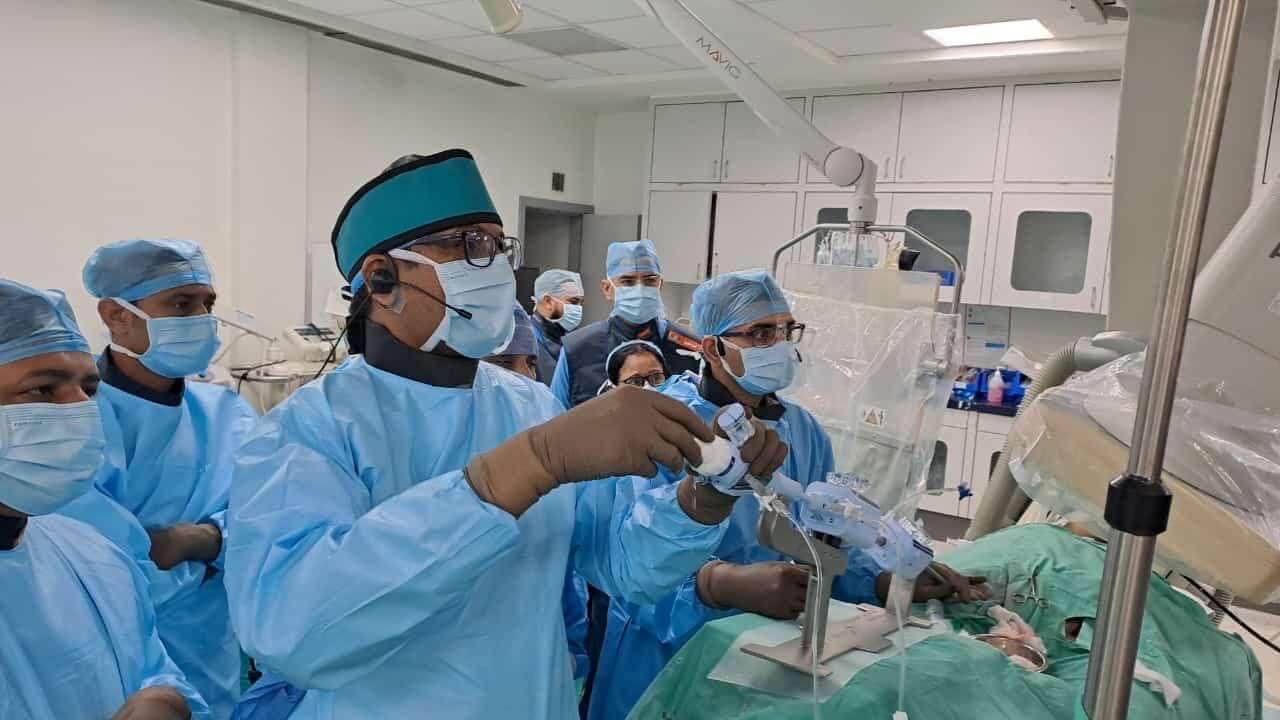
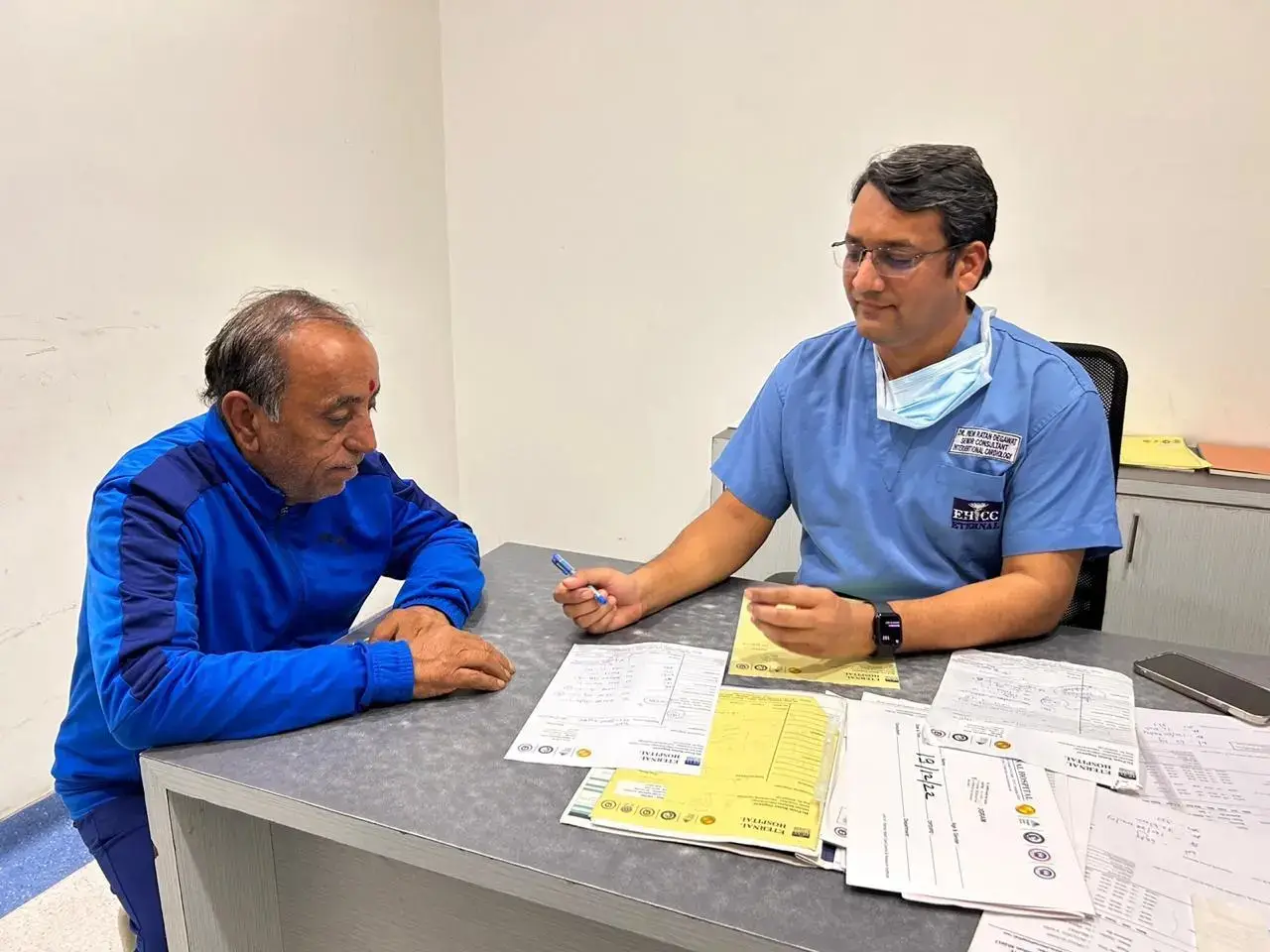
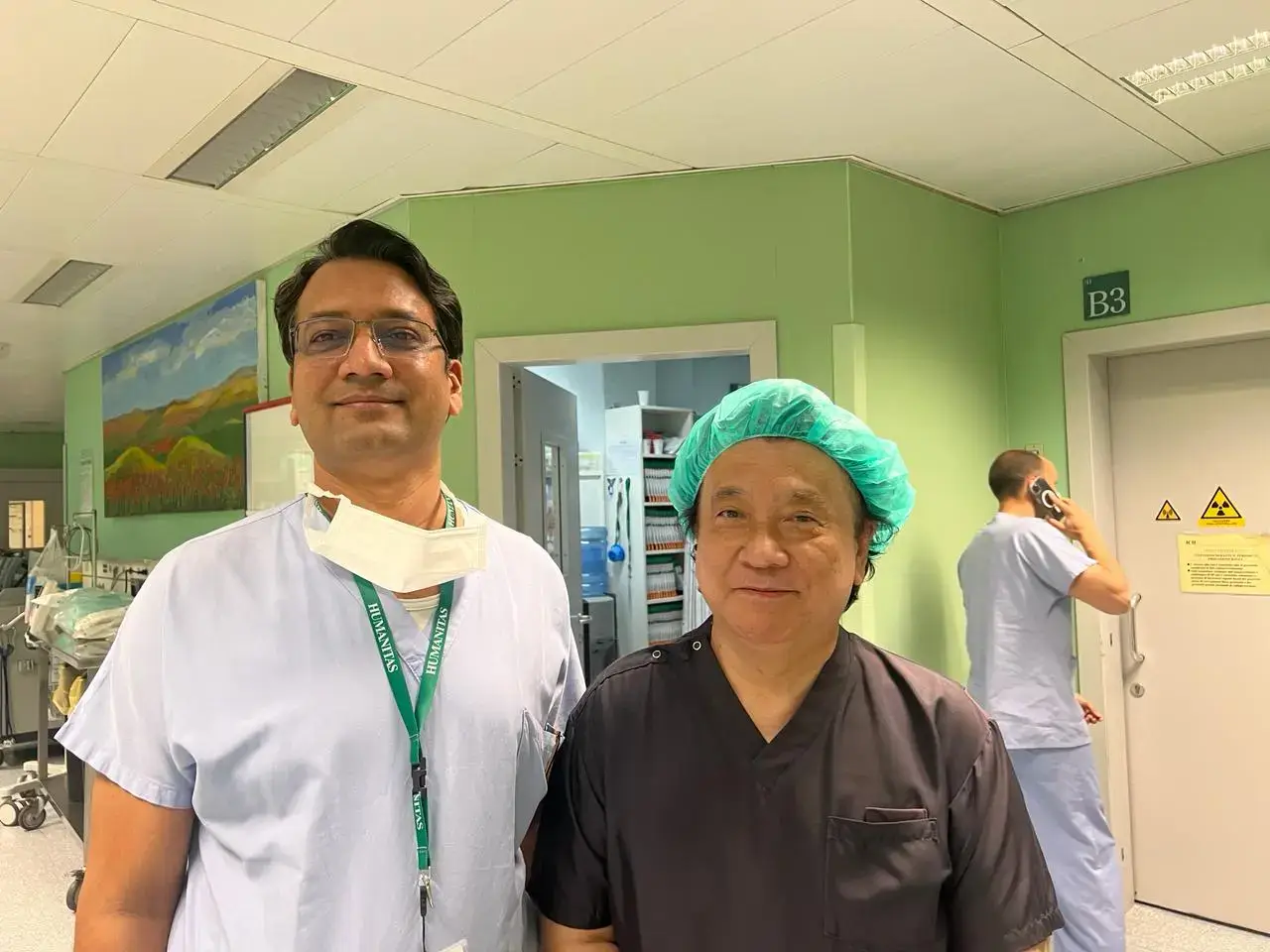
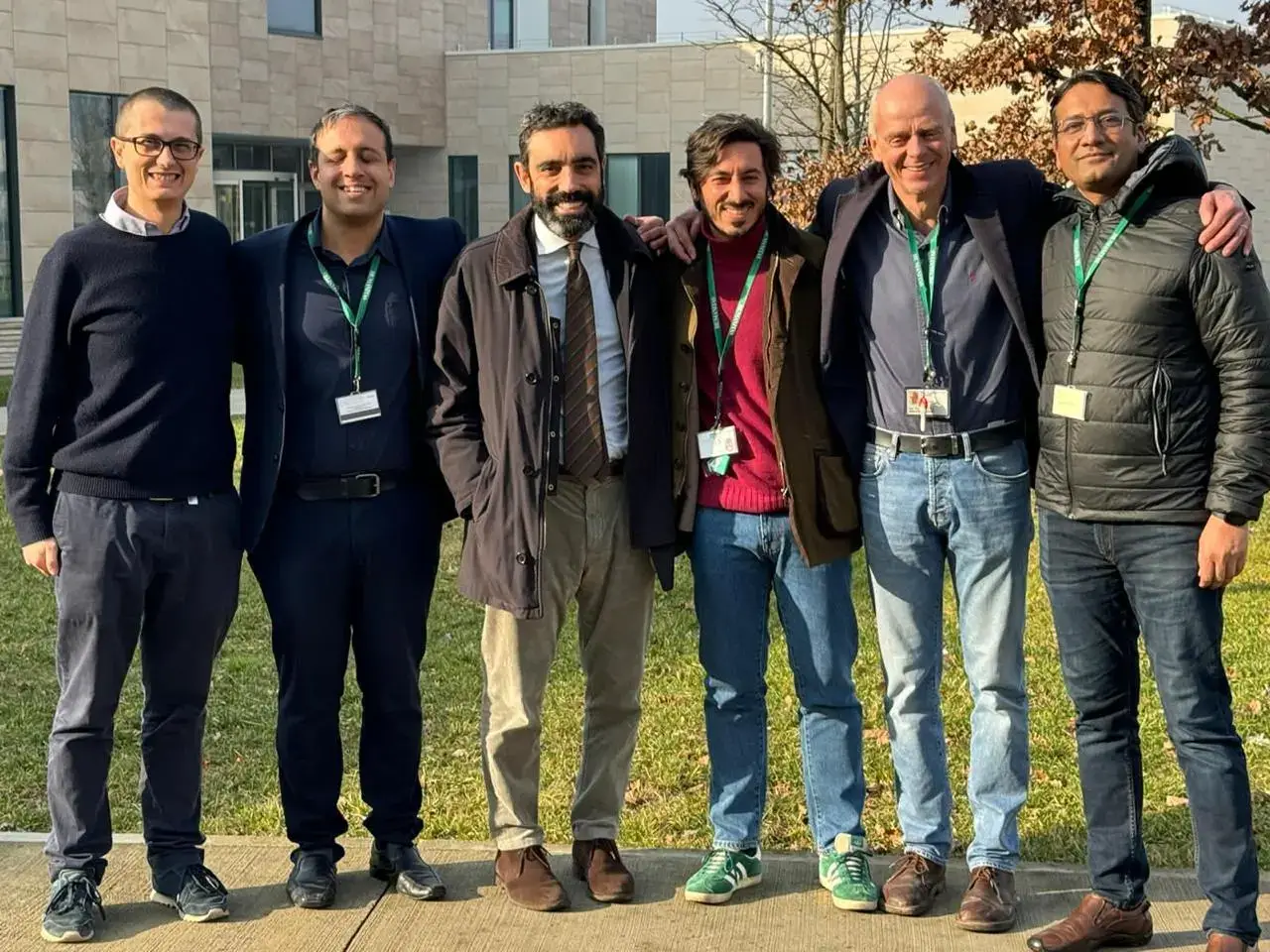
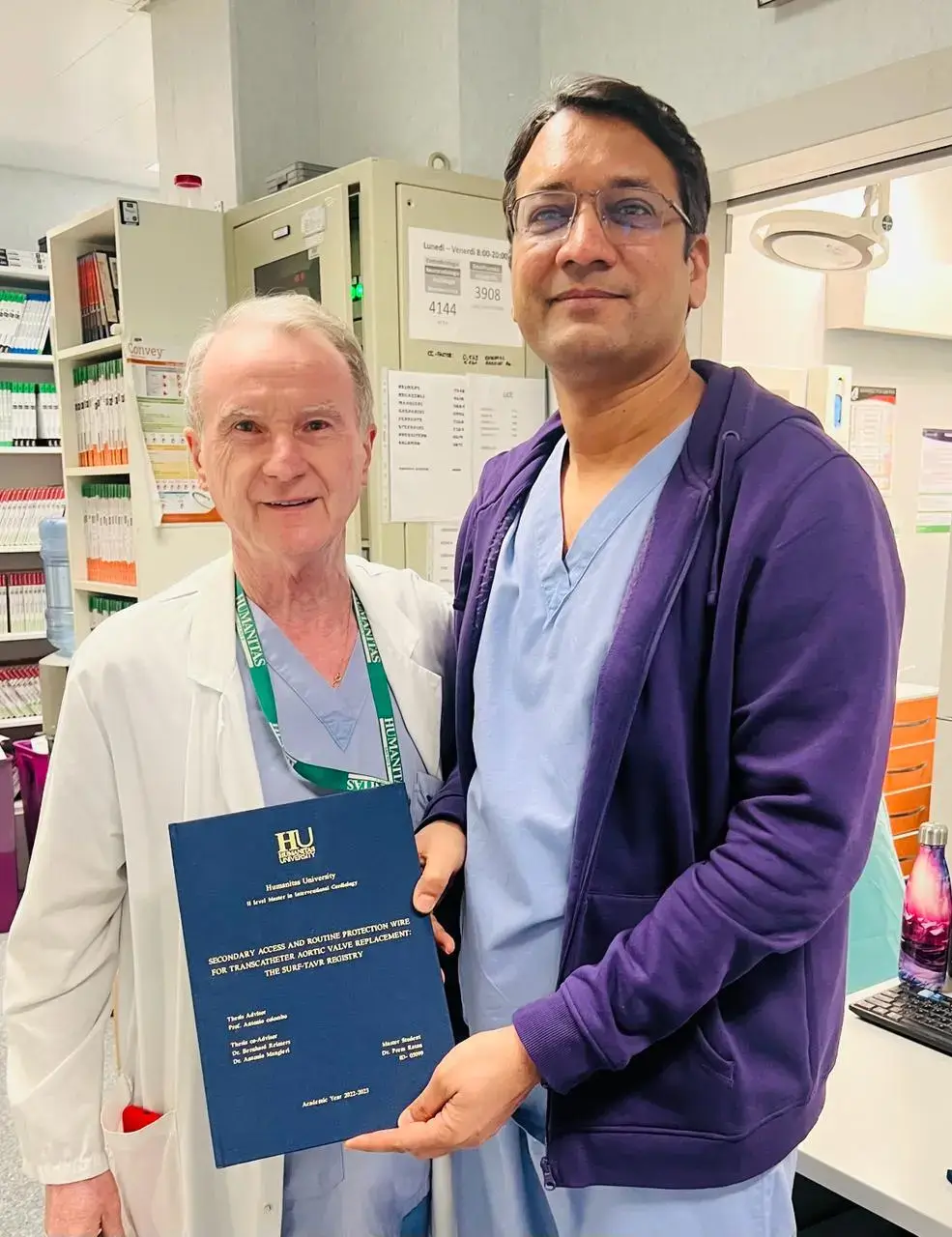
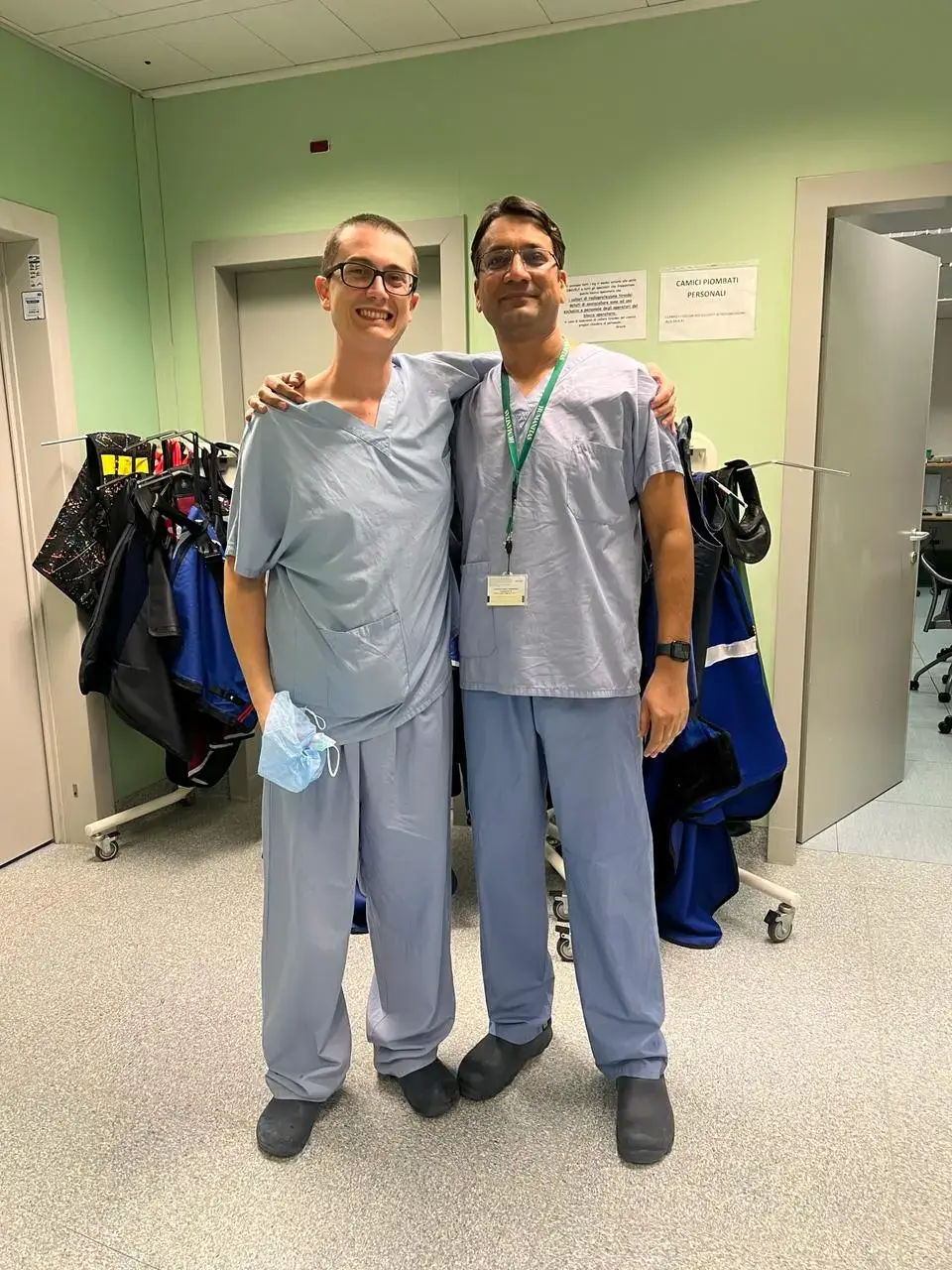
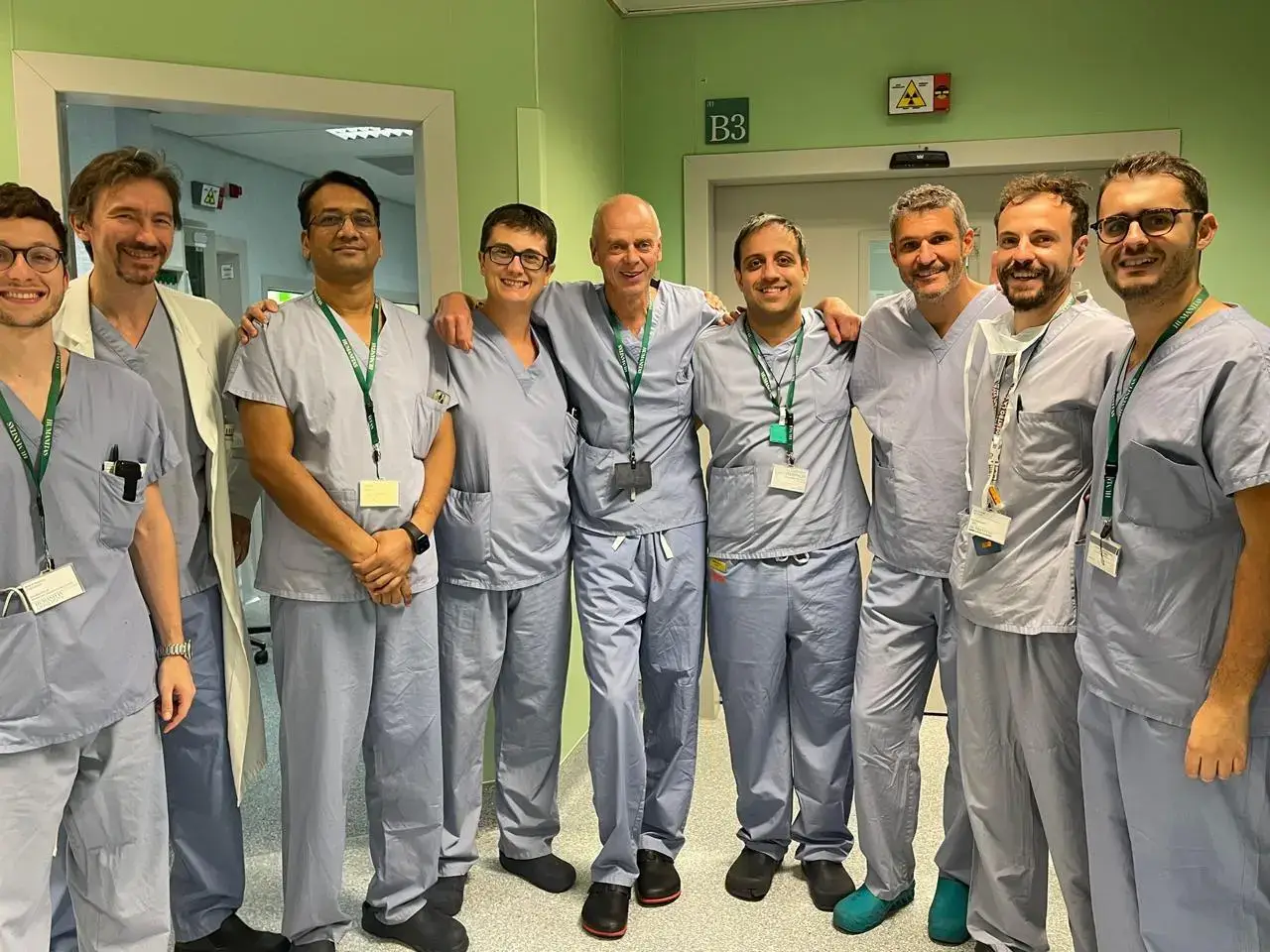
Dr. Prem Ratan Degawat is one of Jaipur’s most experienced interventional cardiologists, specializing in TAVI and structural heart disease. He serves as Associate Director of the TAVR and Structural Heart Disease Program at Eternal Hospital and heads the Mitral and Tricuspid Valve Program.
He has performed over 600 TAVI procedures including complex cases like Bicuspid Valve TAVI, Valve in Valve, and TAVR in TAVR. He has also conducted research on safe TAVI techniques across 2,000+ cases in Europe.
Dr. Degawat completed his MBBS and MD from Sardar Patel Medical College, Bikaner, and his DM in Cardiology from King George’s Medical University, Lucknow. He received advanced TAVI training at IRCCS Humanitas Research Hospital, Italy.
He is among the few cardiologists in India certified in TAVI, MitraClip, TRI-Clip, TMVR, CAVI, and TTVR.
Patients value his communication style. He takes time to explain every option in simple language so families can decide without feeling pressured or confused.
Consultation Details: Hospital: Eternal Hospital, 3A Jagatpura Road, Near Jawahar Circle, Jaipur 302017
OPD Timings: Monday to Saturday, 10:00 AM to 4:00 PM
Clinic: 6/384, In front of Railway Headquarter, Sector 6, Malviya Nagar, Jaipur, Rajasthan 302017
Contact: +91-8960594076
FAQs
Q1: What is the main difference between TAVI and open heart surgery?
TAVI is done through a small groin puncture with no chest opening. Open heart surgery requires cutting the sternum and stopping the heart. TAVI recovery takes 2 to 4 weeks. Open surgery recovery takes 6 to 8 weeks.
Q2: Is TAVI safe for patients over 75 years of age?
Yes. TAVI was developed specifically for elderly high-risk patients who cannot tolerate open surgery. Dr. Degawat has performed TAVI on patients well into their 80s at Eternal Hospital Jaipur. Age alone is not a barrier.
Q3: How much does TAVI cost in Jaipur?
TAVI costs between Rs 3.5 lakhs and Rs 6 lakhs at private hospitals in Jaipur. Patients registered under Mukhyamantri Ayushman Arogya Yojana or Ayushman Bharat can avail cashless coverage at Eternal Hospital. RGHS covers government employees.
Q4: How long is the hospital stay after TAVI?
Most patients stay 3 to 5 days after TAVI compared to 7 to 14 days after open heart surgery. TAVI patients move to a regular ward within 24 hours and begin walking the next day.
Q5: Is TAVI covered under Mukhyamantri Ayushman Arogya Yojana (Chiranjeevi Yojana) in Rajasthan?
Yes. TAVI is covered under Mukhyamantri Chiranjeevi Swasthya Bima Yojana at empanelled centres. Eternal Hospital is empanelled under Mukhyamantri Ayushman Arogya Yojana and Ayushman Bharat. Patients should bring their Jan Aadhaar card.
Q6: Can TAVI be done a second time if the valve fails again?
Yes. This is called TAVR in TAVR or Valve in Valve TAVI. Dr. Degawat has performed this procedure at Eternal Hospital Jaipur. It avoids repeat open-chest surgery for patients whose earlier bioprosthetic valve has worn out.
Q7: What should I avoid during TAVI recovery at home?
Avoid lifting more than 5 kilograms for the first two weeks. Do not drive for 2 to 4 weeks. Take blood-thinning medication exactly as prescribed. Walk a little every day. Call Eternal Hospital immediately if you have chest pain, fever, or swelling at the groin site.
Q8: Why choose Dr. Prem Ratan Degawat for TAVI in Jaipur?
Dr. Degawat has 600+ TAVI procedures to his name including complex Bicuspid Valve and Valve in Valve cases. He trained in Italy and is among the few cardiologists in India certified across all major structural heart procedures. His patients consistently report clear guidance and compassionate care.
Disclaimer: This article is for educational purposes only.