Medically reviewed by Dr. Prem Ratan Degawat, MD, DM (Cardiology)
Senior Interventional Cardiologist · Director, Mitral & Tricuspid Valve Therapy · Associate Director, TAVR & Structural Heart Disease Program, Eternal Hospital, Jaipur
Last updated on April 25, 2026 · View LinkedIn profile
Have you been told your coronary blockage is “too calcified for a stent”? You are not alone. Hundreds of patients across India receive this news every year. The good news is that two advanced procedures, Rotablation and Shockwave Intravascular Lithotripsy (IVL), now make it possible to treat blockages that normal angioplasty simply cannot handle. This guide explains both procedures in plain language, tells you when each one is used, and gives you a complete cost breakdown for India in 2026.
What Are Calcified Coronary Blockages?
Your heart arteries can harden over time. This happens when calcium deposits build up inside the artery walls, a process called coronary artery calcification. Think of it like a pipe that has become encrusted with mineral deposits on the inside. The artery loses its flexibility. Plaque forms in the narrowed channel. Blood flow to the heart muscle becomes restricted.
This condition is more common in older adults, people with diabetes, chronic kidney disease, or long-standing high blood pressure. It also tends to worsen with age. A calcified blockage does not always cause symptoms right away, but when it does, the results can be severe chest pain or even a heart attack.
Why Regular Angioplasty Fails on Calcified Arteries
Standard angioplasty works by pushing a small balloon into the blocked artery and inflating it to compress the plaque. A stent is then placed to keep the artery open. This works very well for soft or moderately hard blockages.
Calcium changes everything. A calcified artery does not give way under balloon pressure. The balloon cannot inflate evenly. The stent cannot expand fully or sit flush against the artery wall. A stent that does not expand fully is a serious problem. It can trigger a heart attack, blood clotting inside the stent, or restenosis (the artery narrowing again quickly).
This is why many patients are told their case is “too complex” or “too risky” for standard stenting. What they actually need is a specialist who can modify the calcium first, then place the stent safely. That is exactly what Rotablation and Shockwave IVL are designed to do.
Rotablation: The Diamond Drill That Clears Calcium
Rotablation, also called Rotational Atherectomy, uses a tiny diamond-coated burr at the tip of a catheter. This burr spins at up to 180,000 revolutions per minute inside your artery. It does not cut or scrape calcium in the way you might imagine. Instead, it pulverises the calcium into microscopic particles, smaller than red blood cells. These particles pass harmlessly through the bloodstream and are cleared by the body.
The procedure is done through a small puncture in your wrist or groin, just like a normal angioplasty. You are awake but sedated comfortably throughout. The cardiologist guides the rotating burr through the calcified section of the artery, clearing a smooth channel. Once the calcium is modified, a standard balloon and stent can be placed with full expansion and excellent wall contact.
Rotablation is particularly effective for heavily calcified, rigid plaques, long segments of calcium, and situations where even a small balloon cannot cross the blockage. Dr. Prem Ratan Degawat at Eternal Hospital Jaipur has extensive experience with Rotablation and complex coronary interventions. His training in Europe included research on over 2,000 structural and complex PCI cases, which gives him exposure that few cardiologists in Rajasthan can match.
Shockwave IVL: Cracking Calcium Without Injuring the Vessel
Shockwave Intravascular Lithotripsy (IVL) takes a different approach. You may have heard of lithotripsy being used to break kidney stones. The same principle now works inside coronary arteries. The IVL catheter has small emitters that generate controlled acoustic pressure waves. These waves pass through soft tissue without damaging it, but they crack rigid calcium deposits both on the surface and deep within the artery wall.
This is the key advantage of IVL over Rotablation in certain cases. Rotablation works on the inner surface of the artery. IVL can address calcium that sits deeper in the vessel wall, something no other technique can reliably treat. Once the calcium is fractured, the artery becomes flexible again. A balloon can then expand it properly and a stent can be placed with optimal results.
IVL is delivered through a specialised balloon catheter. It is inflated gently inside the artery, and short pulses of lithotripsy energy are applied. The procedure takes only a few minutes per treated segment. It is widely regarded as gentler on the artery compared to very aggressive cutting balloons or high-pressure rotablation in fragile vessels.
Rotablation vs Shockwave IVL: How Doctors Decide
Both techniques modify calcium. The choice between them depends on several factors. Your cardiologist will assess these using coronary angiography and sometimes intravascular imaging such as IVUS (Intravascular Ultrasound) or OCT (Optical Coherence Tomography).
Rotablation is usually preferred when the blockage is so tight that no device can cross it, when the calcium is predominantly on the inner surface, and when the artery is large enough to safely accept the burr. It is the first-line choice for severely undilatable lesions.
Shockwave IVL is preferred when calcium extends deep into the vessel wall, when the artery is fragile or tortuous, and when the cardiologist wants to minimise the risk of artery dissection or perforation. It is also used after Rotablation in some complex cases to complete the calcium modification.
In straightforward terms, think of Rotablation as drilling through a hard surface and IVL as cracking it from within. Many patients need one, some benefit from both in combination. Dr. Degawat assesses each case individually and will explain exactly which approach he recommends and why, before any decision is made.
Complete Cost Breakdown: Rotablation and Shockwave IVL in India 2026
Costs vary significantly depending on the hospital, city, the complexity of your specific case, and what implants are used. Below is a realistic guide for 2026.
Rotablation Angioplasty Cost in India 2026
At private hospitals in metro cities (Delhi, Mumbai, Bangalore), the total cost for Rotablation with stenting typically ranges from Rs 2.5 lakhs to Rs 4.5 lakhs. This includes the cath lab charges, the Rotablation catheter and burr, the stent, and a 2 to 3 day hospital stay. Additional intravascular imaging (IVUS or OCT) adds Rs 30,000 to Rs 60,000 to the bill if used.
At Eternal Hospital Jaipur, the same procedure is available at Rs 2 lakhs to Rs 3.5 lakhs depending on the number of arteries treated and the stent selected. Jaipur consistently offers lower pricing than Delhi or Mumbai for equivalent quality care, without compromising on technology or expertise.
Government hospitals in Jaipur such as SMS Hospital may offer Rotablation at lower cost, but availability of the procedure depends on device stock and waiting times. Emergency cases are prioritised. Planned cases may face longer delays.
Shockwave IVL Cost in India 2026
IVL is a newer technology and is priced higher than Rotablation in most centres. The IVL catheter itself is an imported single-use device. At private hospitals in metro cities, total costs range from Rs 3.5 lakhs to Rs 6 lakhs including the IVL catheter, stent, and hospital stay.
At Eternal Hospital Jaipur, shockwave IVL with stenting is available at Rs 2.8 lakhs to Rs 4.5 lakhs. The hospital has the technology in-house, which means Jaipur patients no longer need to travel to Delhi or Mumbai for this treatment.
Additional Costs to Plan For
Pre-procedure: Coronary angiography if not already done (Rs 15,000 to Rs 30,000), intravascular imaging if recommended (Rs 30,000 to Rs 60,000), standard blood tests and ECG (Rs 5,000 to Rs 10,000).
Post-procedure: Dual antiplatelet medication for 6 to 12 months (Rs 2,000 to Rs 5,000 per month), cardiac rehabilitation consultation, follow-up visits every 3 months in the first year.
Eternal Hospital Jaipur vs Other Metro Centres
Many patients from Rajasthan, MP, UP, and nearby states travel to Delhi or Mumbai for complex cardiac procedures because they believe these procedures are not available closer to home. This is no longer true for calcified coronary artery treatment in Jaipur.
Eternal Hospital has both Rotablation and Shockwave IVL technology available. The cath lab meets the standards required for complex coronary interventions. Dr. Degawat performed the first orbital atherectomy procedure in Nepal, which reflects the level of complex case experience he brings to Jaipur. Very few cardiologists in Rajasthan have this depth of training in calcium modification techniques.
The cost saving is real. A patient who would pay Rs 4 to 5 lakhs in a Delhi or Mumbai private hospital for the same procedure can expect to pay Rs 2.5 to 4 lakhs at Eternal Hospital Jaipur, without adding the cost and stress of travelling to another city. For patients from Jaipur or surrounding districts, the choice is straightforward.
Insurance Coverage for Complex PCI
Rotablation and Shockwave IVL are both complex PCI (Percutaneous Coronary Intervention) procedures. Most private health insurance plans in India cover complex PCI under cardiac care packages, but there are important details to verify.
Most insurance companies require pre-authorisation before a planned complex PCI. You will need the treating cardiologist’s recommendation letter, coronary angiography report clearly documenting calcified disease, procedure plan specifying Rotablation or IVL, and cost estimate from the hospital. If the procedure is done as an emergency, authorisation can be sought post-hospitalisation in most plans.
Under Chiranjeevi Yojana (Rajasthan’s health insurance scheme covering up to Rs 25 lakhs annually), complex PCI including calcium modification techniques is covered at empanelled centres. Eternal Hospital Jaipur is empanelled under Chiranjeevi Yojana and Ayushman Bharat. Rajasthan Government employees covered under RGHS are also eligible.
If you have been told by an insurance company that your procedure is not covered, ask your cardiologist to document it specifically as complex PCI for calcified coronary artery disease. This classification generally qualifies under standard cardiac packages.
About Dr. Prem Ratan Degawat
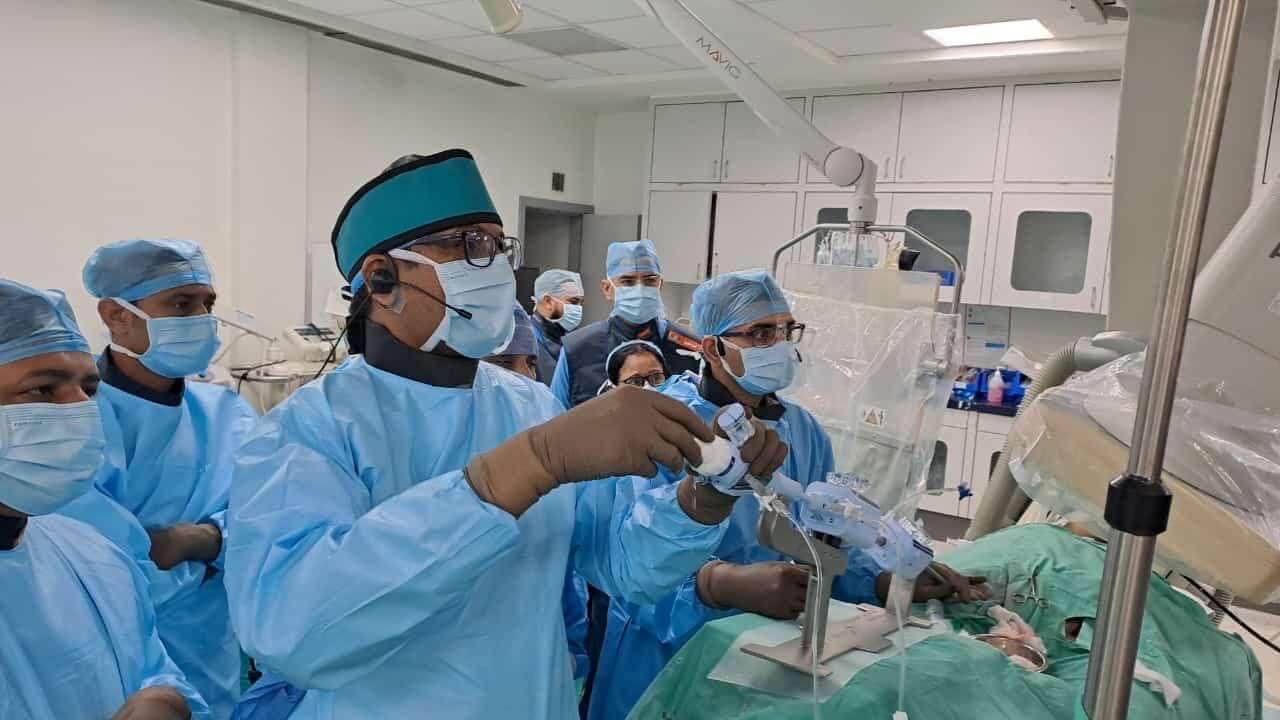
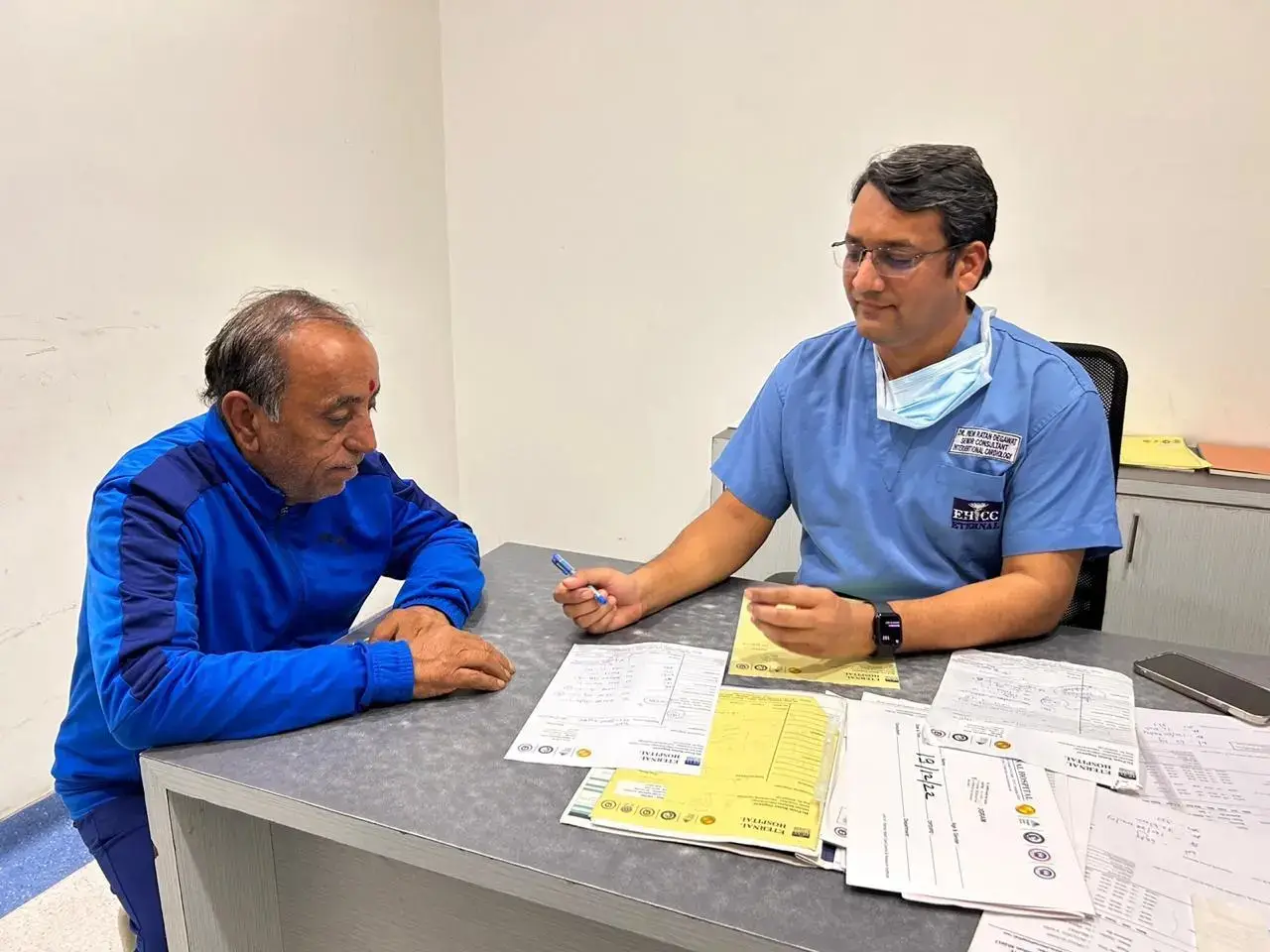
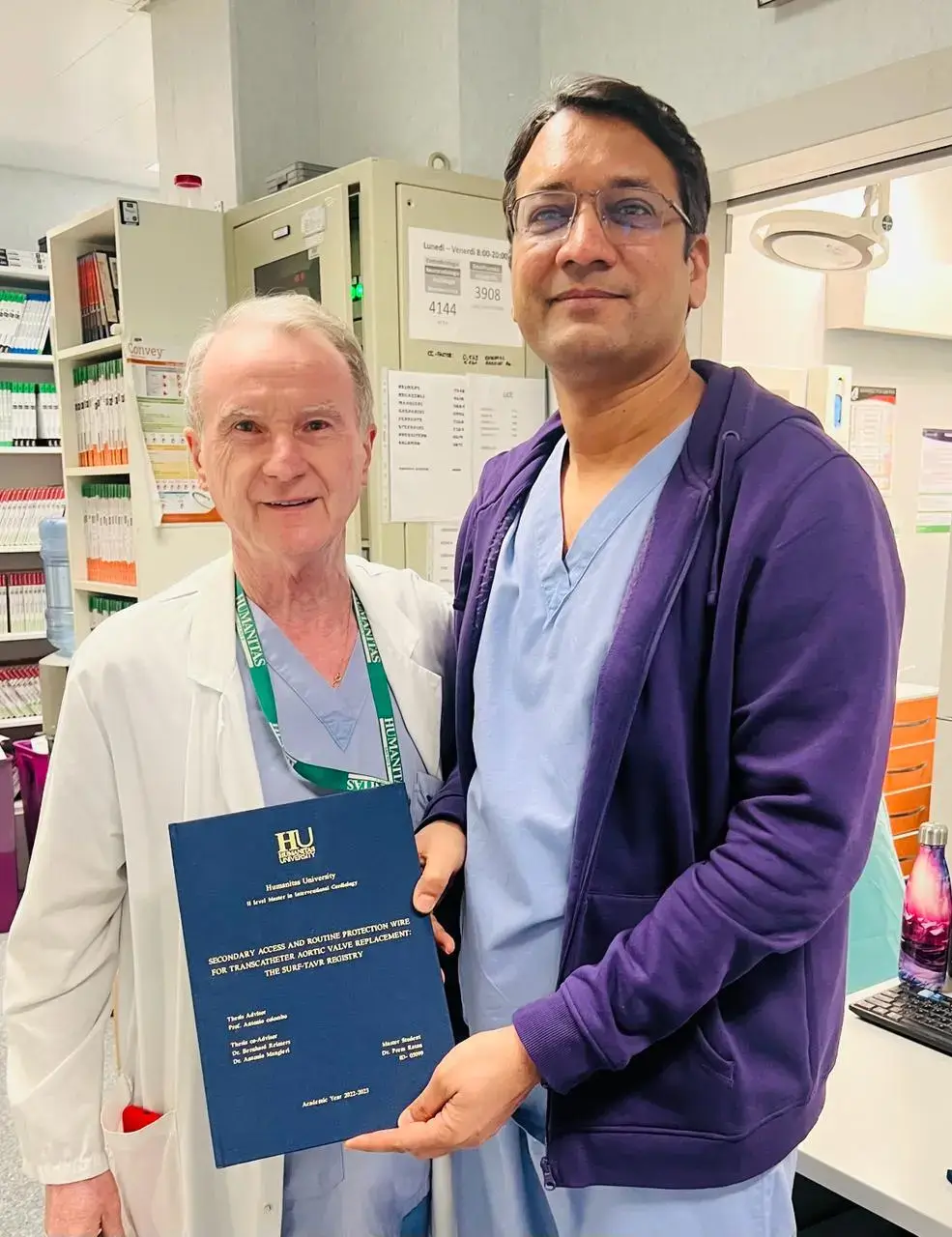
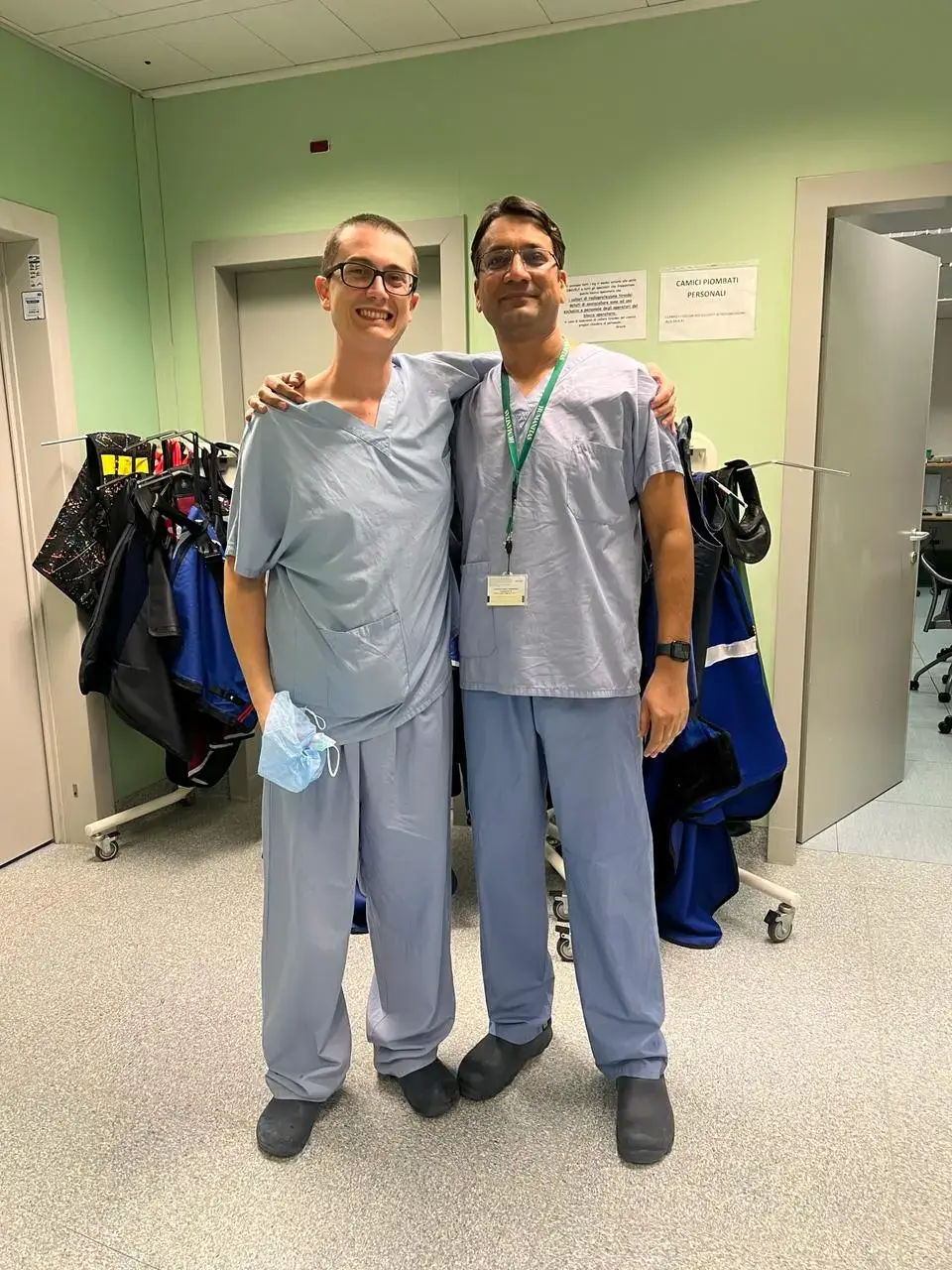
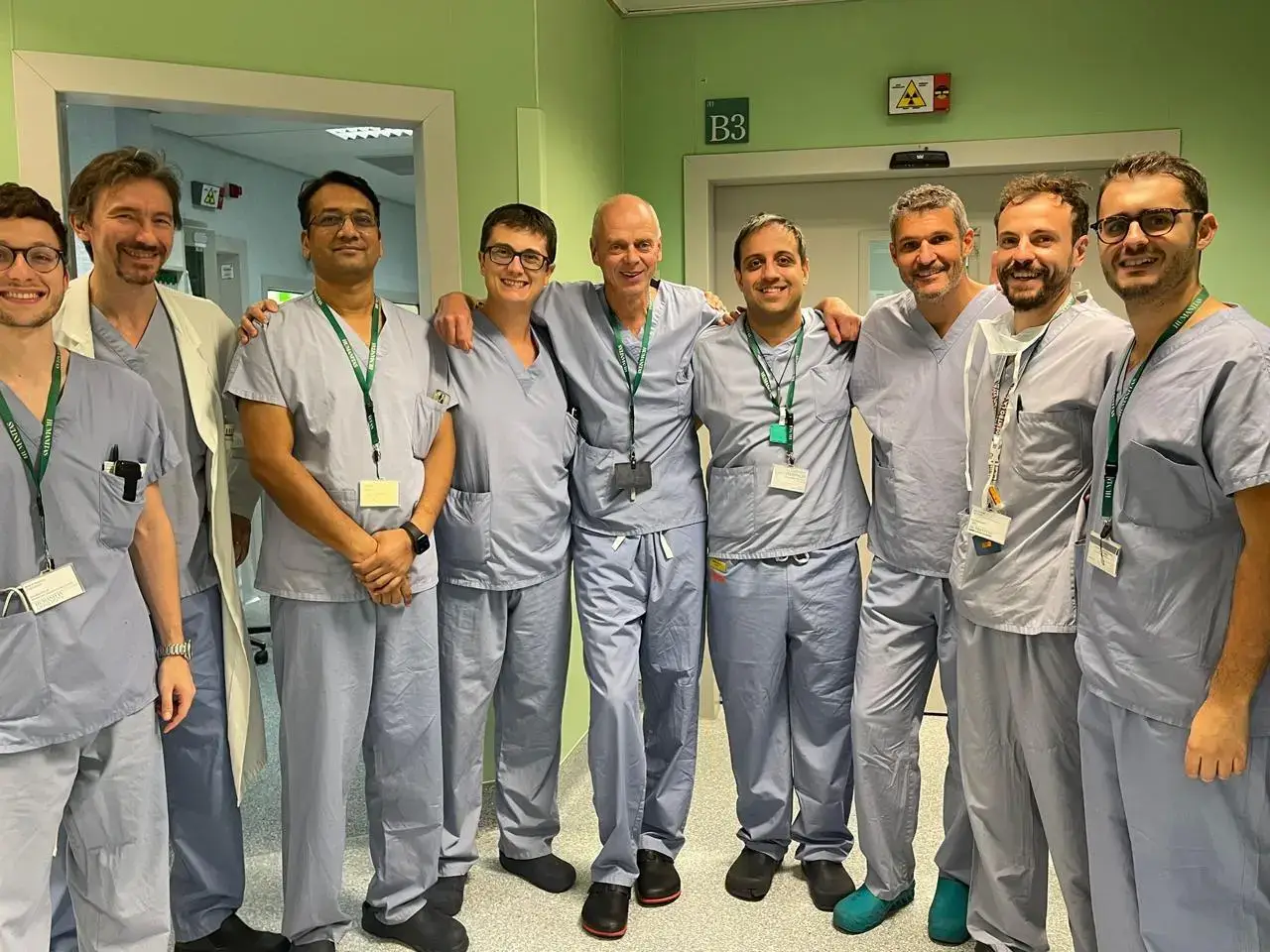
Dr. Prem Ratan Degawat is one of Jaipur’s most experienced interventional cardiologists, specialising in complex coronary interventions and structural heart disease. He currently serves as Associate Director of the TAVR and Structural Heart Disease Program at Eternal Hospital Jaipur, and also directs the Mitral and Tricuspid Valve Program.
Dr. Degawat completed his DM in Cardiology from King George’s Medical University, Lucknow, and received advanced training at IRCCS Humanitas Research Hospital in Italy, where he was involved in research covering over 2,000 complex PCI and structural heart cases. He performed the first orbital atherectomy procedure in Nepal, a milestone that reflects his expertise in calcium modification techniques.
He is among a small group of cardiologists in India certified in TAVI, MitraClip, TRI-Clip, TMVR, CAVI, and TTVR, alongside his complex coronary intervention capabilities. Patients appreciate his direct and unhurried communication style. He takes time to explain the condition and options clearly before any procedure decision is made.
Hospital: Eternal Hospital, 3A Jagatpura Road, Near Jawahar Circle, Jaipur 302017
OPD Timings: Monday to Saturday, 10:00 AM to 4:00 PM
Clinic: 6/384, In front of Railway Headquarter, Sector 6, Malviya Nagar, Jaipur, Rajasthan 302017
Contact: +91-8960594076
FAQs
Q1: What is the cost of Rotablation angioplasty in India in 2026?
Rotablation angioplasty costs Rs 2 lakhs to Rs 4.5 lakhs at private hospitals in India in 2026, depending on the city and number of vessels treated. At Eternal Hospital Jaipur, the cost is Rs 2 lakhs to Rs 3.5 lakhs, which is significantly lower than Delhi or Mumbai for comparable care.
Q2: What is the cost of Shockwave IVL in Jaipur?
Shockwave IVL with stenting at Eternal Hospital Jaipur costs approximately Rs 2.8 lakhs to Rs 4.5 lakhs in 2026. This includes the IVL catheter, stent, cath lab charges, and hospital stay. The procedure is available in-house at Jaipur, so patients do not need to travel to other cities.
Q3: When is Rotablation used instead of normal angioplasty?
Rotablation is used when a coronary blockage is too calcified or too rigid for a standard balloon to dilate it properly. If a regular balloon cannot cross or expand the blockage, Rotablation is needed to pulverise the calcium first. Your cardiologist will confirm this after reviewing your angiography.
Q4: Is Shockwave IVL safer than Rotablation?
Both are safe when performed by experienced operators, but they work differently. IVL is generally considered gentler on fragile or tortuous arteries because it does not involve a spinning burr. Rotablation is preferred for very rigid, undilatable lesions where IVL alone may not be sufficient. Your cardiologist will recommend the right choice based on your specific anatomy.
Q5: Is Rotablation or Shockwave IVL covered under Chiranjeevi Yojana?
Yes, complex PCI including calcium modification techniques is covered under Chiranjeevi Yojana at empanelled hospitals. Eternal Hospital Jaipur is empanelled under both Chiranjeevi Yojana and Ayushman Bharat. Bring your Jan Aadhaar card and policy documents when you come for consultation.
Q6: I was told my blockage is too complex for stenting at another hospital. Can it still be treated?
In many cases, yes. Being referred elsewhere due to heavy calcification often means the referring centre does not have Rotablation or IVL technology, or lacks experience with complex calcium cases. A second opinion from a specialist in calcium modification techniques can open treatment options you were told were unavailable.
Q7: How long is the hospital stay after Rotablation or IVL?
Most patients stay 2 to 3 days after Rotablation or Shockwave IVL with stenting. Recovery is similar to standard angioplasty. You will be on dual antiplatelet medication for 6 to 12 months after the procedure. Most patients return to normal daily activity within a week.
Q8: Why should I consult Dr. Prem Ratan Degawat for a calcified coronary blockage?
Dr. Degawat has advanced training in complex coronary interventions and was involved in research covering over 2,000 such cases in Europe. He performed the first orbital atherectomy procedure in Nepal and regularly handles cases referred by other hospitals in Rajasthan. His expertise means that patients with complex calcified disease get a thorough assessment rather than a straightforward refusal.