Medically reviewed by Dr. Prem Ratan Degawat, MD, DM (Cardiology)
Senior Interventional Cardiologist · Director, Mitral & Tricuspid Valve Therapy · Associate Director, TAVR & Structural Heart Disease Program, Eternal Hospital, Jaipur
Last updated on April 4, 2026 · View LinkedIn profile
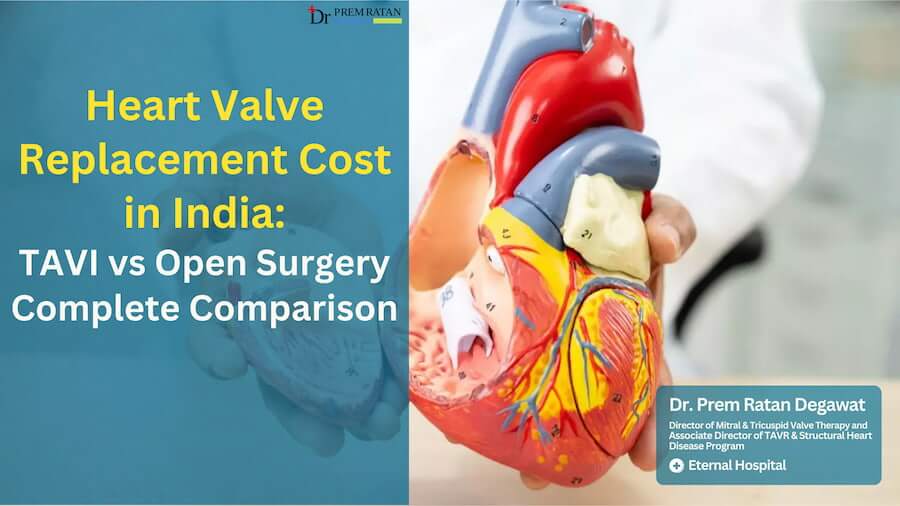
When facing heart valve disease, one of the most important decisions patients and families make is choosing between traditional open-heart surgery (SAVR) and the newer TAVI procedure. Understanding the cost differences and what you get for your investment is crucial for making an informed decision.
Understanding the Cost Difference
Open Heart Valve Replacement (SAVR): ₹3-8.5 lakhs
Traditional surgical aortic valve replacement has been the gold standard for decades. The cost typically ranges from ₹3 lakhs to ₹8.5 lakhs depending on the hospital, surgeon expertise, and type of valve used (mechanical or biological).
TAVI (Transcatheter Aortic Valve Implantation): ₹15-25 lakhs
TAVI represents a minimally invasive alternative with costs ranging from ₹15 lakhs to ₹25 lakhs. While significantly more expensive upfront, the total cost picture becomes more nuanced when you consider recovery and complications.
Why Does TAVI Cost More?
The higher price tag for TAVI isn’t arbitrary. Several factors contribute to this cost difference:
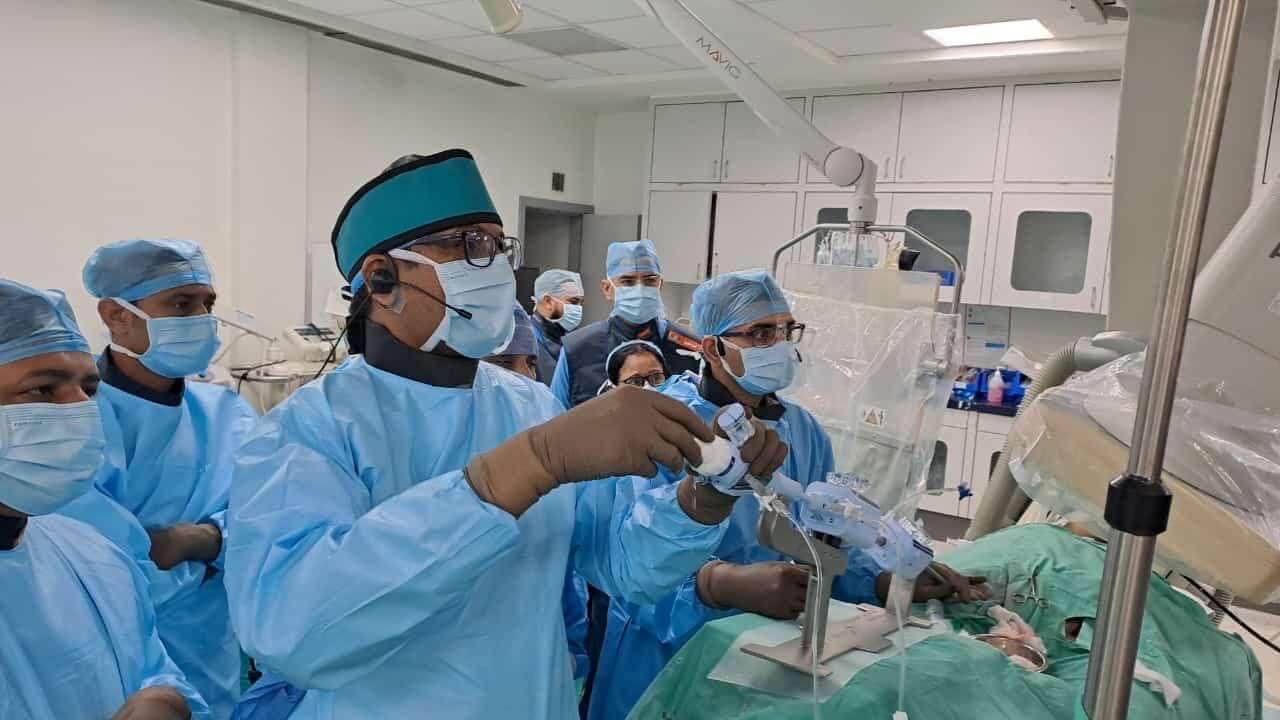
Advanced Medical Device Technology: The TAVI valve itself is a sophisticated, collapsible device designed to be delivered through a catheter. This advanced engineering and precision manufacturing significantly increases device costs compared to traditional surgical valves.
Specialized Expertise Required: TAVI procedures require a specially trained heart team including interventional cardiologists, cardiac surgeons, anesthesiologists, and imaging specialists. This multidisciplinary expertise commands premium costs.
Sophisticated Imaging Equipment: TAVI procedures rely on advanced imaging technology during the procedure, including fluoroscopy and echocardiography, adding to procedural costs.
Catheterization Lab Expenses: Unlike traditional operating rooms, TAVI requires a hybrid catheterization laboratory with specialized equipment, which is more expensive to maintain and operate.
Cost-Benefit Analysis: Beyond the Price Tag
When comparing these procedures, looking only at the surgery cost tells an incomplete story. Consider the total economic impact:
Hospital Stay
- TAVI: 3-4 days typically
- Open Surgery: 7-10 days average
Recovery Period
- TAVI: 1-2 weeks to return to normal activities
- Open Surgery: 6-12 weeks recovery time
Return to Work
- TAVI: Often within 2-3 weeks
- Open Surgery: Typically 2-3 months
Post-Operative Care Costs
- TAVI: Minimal wound care, fewer follow-up visits
- Open Surgery: Sternum healing monitoring, more intensive follow-up
When you factor in lost wages, caregiver costs, and extended hospital stays, the total economic burden narrows considerably between the two approaches.
When to Choose TAVI
TAVI may be the better option if you:
Are Age 65 or Older: TAVI was initially approved for elderly patients and remains an excellent choice for this age group, offering faster recovery when time becomes more precious.
Have High Surgical Risk: Patients with lung disease, kidney problems, previous heart surgery, or other conditions that make traditional surgery risky are often ideal TAVI candidates.
Need Faster Recovery: If returning to work quickly or caring for family members is essential, TAVI’s rapid recovery timeline offers significant advantages.
Want to Avoid Open-Heart Surgery: For patients who are anxious about the invasiveness of traditional surgery, TAVI provides a less traumatic alternative with equivalent outcomes.
Have Frailty Concerns: Elderly or frail patients often tolerate the minimally invasive approach better than major surgery.
When to Choose Open Surgery (SAVR)
Traditional surgery may be preferable if you:
Are Younger (Under 65): Younger patients typically tolerate open surgery well and may benefit from the longer-proven track record of surgical valves, especially mechanical valves that can last a lifetime.
Have Multiple Valve Issues: If you need more than one valve repaired or replaced, or if you have other cardiac conditions requiring surgical correction, open surgery allows comprehensive repair in one procedure.
Have Specific Anatomical Considerations: Some valve anatomies or severe calcification patterns may be better suited to surgical approaches.
Prefer Mechanical Valves: While biological valves are available for both procedures, mechanical valves (which last longer but require blood thinners) are only available through open surgery.
Have Cost Constraints: With insurance coverage variations, SAVR may be more financially accessible for some patients.
Success Rates: Both Procedures Deliver Excellent Results
TAVI Success Rate: 95%+
Modern TAVI procedures boast success rates exceeding 95%, with most patients experiencing immediate symptom relief. Long-term data now extends beyond 10 years, showing excellent durability.
SAVR Success Rate: 98-99%
Traditional open-heart valve replacement has decades of proven results with success rates of 98-99%. Long-term valve durability is well-established, particularly for mechanical valves.
The choice between procedures often depends less on success rates (which are excellent for both) and more on individual patient factors, recovery considerations, and personal preferences.
Insurance Coverage Comparison
SAVR Coverage: Most health insurance policies in India cover traditional valve replacement surgery. Government schemes like Ayushman Bharat also include coverage for open-heart surgery.
TAVI Coverage: Insurance coverage for TAVI is evolving. While some premium policies now include TAVI, many standard policies either don’t cover it or require pre-authorization. Always verify with your insurance provider before proceeding.
Tips for Insurance Navigation:
- Request pre-authorization early in the decision process
- Obtain detailed written estimates from your hospital
- Ask about installment payment options if out-of-pocket costs are involved
- Check if your employer health plan offers better coverage than individual policies
City-Wise Heart Valve Replacement Costs in India
Costs vary significantly based on location, hospital type, and available expertise:
Mumbai
- SAVR: ₹4-8.5 lakhs
- TAVI: ₹18-25 lakhs
Delhi/NCR
- SAVR: ₹3.5-8 lakhs
- TAVI: ₹16-24 lakhs
Bangalore
- SAVR: ₹3.5-7.5 lakhs
- TAVI: ₹15-23 lakhs
Chennai
- SAVR: ₹3-7 lakhs
- TAVI: ₹15-22 lakhs
Pune
- SAVR: ₹3.5-7.5 lakhs
- TAVI: ₹16-23 lakhs
Hyderabad
- SAVR: ₹3-7 lakhs
- TAVI: ₹15-22 lakhs
Tier-2 Cities (Ahmedabad, Jaipur, Lucknow, etc.)
- SAVR: ₹3-6 lakhs
- TAVI: ₹15-20 lakhs (where available)
These ranges reflect variations in hospital infrastructure, surgeon experience, and included services. Always request itemized estimates that include pre-operative tests, hospital stay, ICU charges, medications, and follow-up visits.
Making Your Decision
Choosing between TAVI and open surgery isn’t just about cost—it’s about matching the procedure to your unique medical situation, lifestyle needs, and personal values. Here’s how to approach this decision:
Consult with Specialists: Seek opinions from both cardiac surgeons and interventional cardiologists who perform TAVI. A heart team approach ensures you hear all perspectives.
Consider Your Timeline: If you need to return to work or family responsibilities quickly, TAVI’s recovery advantage may outweigh its higher upfront cost.
Evaluate Your Risk Profile: Work with your medical team to honestly assess surgical risks based on your overall health status.
Think Long-Term: Consider not just the procedure cost but the total economic and personal impact of recovery time, complications, and quality of life.
Verify Insurance Coverage: Understanding your out-of-pocket expenses early helps avoid financial surprises and allows time to explore payment options.
Conclusion
Both TAVI and traditional open-heart valve replacement offer excellent outcomes for treating heart valve disease. While TAVI costs more upfront (₹15-25 lakhs vs ₹3-8.5 lakhs for SAVR), the faster recovery, shorter hospital stay, and reduced impact on daily life make it a valuable option for many patients, particularly those over 65 or at high surgical risk.
The right choice depends on your individual medical situation, age, lifestyle requirements, and financial considerations. Working closely with an experienced cardiac care team ensures you make the decision that’s best for your health and circumstances.
About Dr. Prem Ratan Degawat
Dr. Prem Ratan Degawat is a leading interventional cardiologist with extensive experience in both TAVI and complex cardiac interventions. With a patient-centered approach, Dr. Degawat helps patients navigate treatment decisions by providing clear, evidence-based guidance tailored to individual needs.

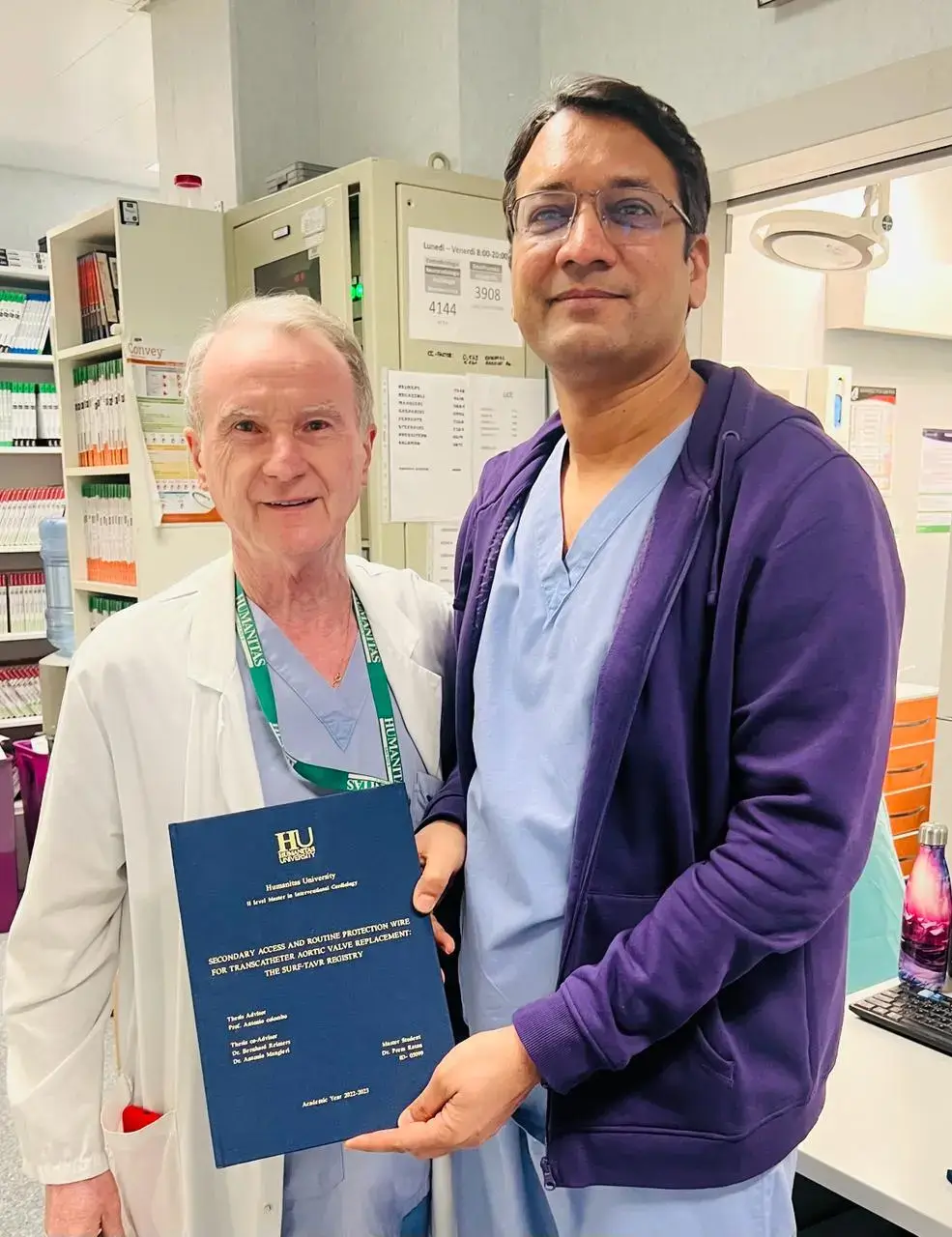

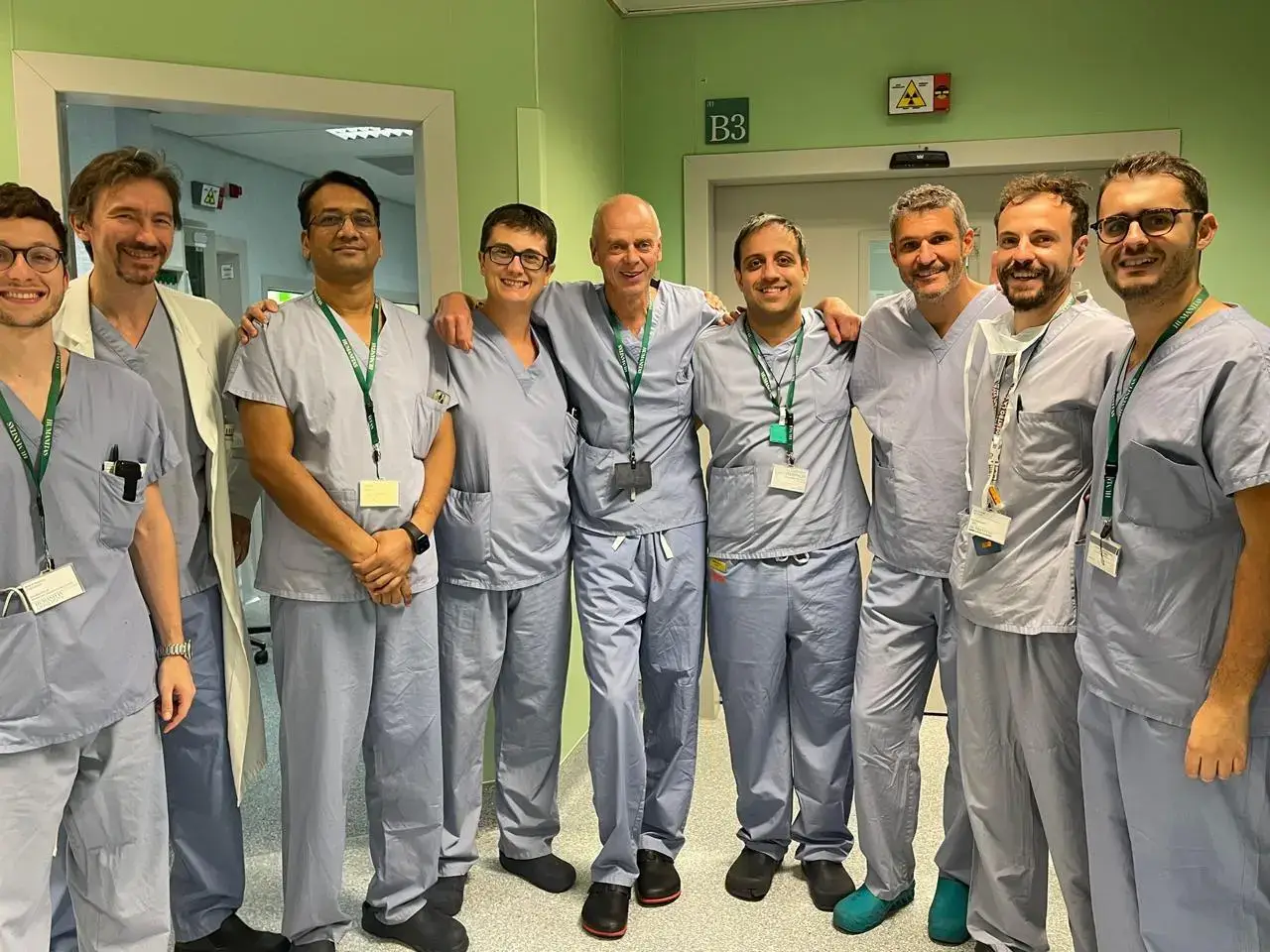
For consultation regarding heart valve disease treatment options, contact Dr. Degawat’s clinic for a comprehensive evaluation and personalized treatment plan.
FAQs
1. What is the average cost of heart valve replacement in India?
Open heart valve replacement (SAVR) costs ₹3-8.5 lakhs, while TAVI costs ₹15-25 lakhs. The final cost depends on your hospital, city, surgeon expertise, and type of valve used.
2. Why is TAVI so much more expensive than open surgery?
TAVI uses an advanced collapsible valve device that costs significantly more to manufacture. The procedure also requires specialized equipment, a hybrid catheterization lab, and a highly trained multidisciplinary team, all of which increase costs.
3. Does health insurance cover TAVI in India?
Coverage varies by policy. Most insurance plans cover traditional open surgery (SAVR), but TAVI coverage is still evolving. Premium policies may include TAVI, but many require pre-authorization. Always verify with your insurer before proceeding.
4. Which is safer: TAVI or open heart surgery?
Both procedures have excellent safety profiles. TAVI has a 95%+ success rate and is often safer for elderly or high-risk patients. Open surgery has a 98-99% success rate and may be better for younger, healthier patients. Your doctor will recommend based on your individual risk factors.
5. How long is the recovery time for each procedure?
TAVI patients typically recover in 1-2 weeks and can resume normal activities quickly. Open surgery requires 6-12 weeks recovery with 2-3 months before returning to work. TAVI patients usually go home in 3-4 days versus 7-10 days for open surgery.
6. Am I too old for open heart surgery?
Age alone doesn’t disqualify you from open surgery, but patients over 65, especially those with other health conditions, often benefit more from TAVI’s minimally invasive approach. Your heart team will assess your overall health, not just your age, to recommend the best option.
7. Can TAVI valves last as long as surgical valves?
TAVI valves have shown excellent durability with data now extending beyond 10 years. While surgical valves have decades of long-term data, recent studies show TAVI valves perform comparably for most patients, especially those over 65.
Disclaimer: This information is for educational purposes only and should not replace professional medical advice. Treatment costs and recommendations vary based on individual patient conditions. Always consult with qualified healthcare providers for personalized medical guidance.