TAVI (Transcatheter Aortic Valve Implantation), also known as TAVR, is a minimally invasive procedure that has transformed the treatment of severe aortic stenosis, especially in patients who are elderly or high-risk for open-heart surgery.
India is becoming a hub for structural heart interventions, and among the most trusted names in this field is Dr. Prem Ratan Degawat, a leading interventional and structural heart specialist based in Jaipur, Rajasthan.
What Is TAVI (TAVR)?
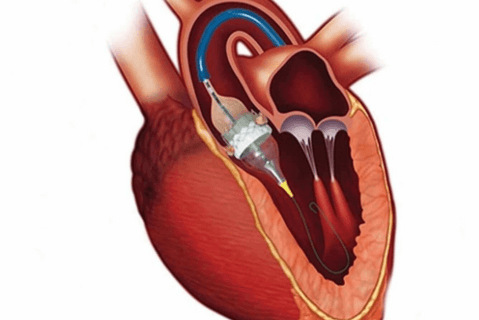
TAVI is a catheter-based procedure that replaces a narrowed aortic valve without removing the old, damaged valve. It is done through a small incision, usually in the groin, eliminating the need for open-heart surgery.
TAVI is most often recommended for:
- Elderly patients
- Patients with other health risks who cannot undergo surgery
- Patients looking for a faster recovery option
Benefits of TAVI
- Minimally invasive, no large incisions
- Shorter hospital stay (usually 2–3 days)
- Quicker recovery time
- Lower risk of complications in high-risk patients
- Often done under conscious sedation
- Restores blood flow and relieves symptoms like breathlessness, chest pain, and fatigue
TAVI Procedure: Step-by-Step
- Pre-procedure Evaluation
- CT scan, echocardiography, and angiography are done to assess valve size and vascular access.
- A heart team including a cardiologist, cardiac surgeon, anesthetist, and imaging expert plans the procedure.
- Valve Implantation
- A catheter is inserted through the femoral artery.
- The new valve is placed over the damaged aortic valve and expanded using a balloon or self-expanding device.
- Once positioned correctly, the new valve starts functioning immediately.
- Post-procedure Monitoring
- Patients are kept under observation in a cardiac ICU for 24–48 hours.
- Discharge typically happens in 2–3 days.
Risks and Considerations
While TAVI is generally safe, like any procedure, it carries some risks:
- Minor bleeding or vascular complications
- Stroke (rare)
- Valve leakage (paravalvular leak)
- Pacemaker requirement (in some cases)
With experienced specialists, these risks are minimized.
Why Choose Dr. Prem Ratan Degawat?
Dr. Degawat is one of India’s most experienced TAVI experts with a strong academic and clinical background:
- Over 600 TAVI/TAVR procedures successfully performed
- Specialized training in structural heart disease and TAVR from IRCCS, Italy
- Serves as Director – Mitral & Tricuspid Valve Therapy and Associate Director – TAVR Program at Eternal Hospital, Jaipur
- First to perform non-surgical TTVR (Tricuspid Valve Replacement) in Rajasthan
- Experience in MitraClip, TriClip, TMVR, TPVR, and complex coronary interventions
FAQs About TAVI
1. Is TAVI a permanent solution?
Yes. Current-generation TAVI valves are designed to last 10–15 years or more, depending on patient profile and valve type.
2. Can TAVI be done in young or low-risk patients?
Yes, in selected cases. Although originally approved for high-risk patients, studies have shown excellent outcomes in younger, low-risk individuals as well.
3. Will I need a pacemaker after TAVI?
Some patients may require a pacemaker, especially if conduction disturbances occur. The likelihood is discussed in advance based on your tests.
4. How soon can I resume normal life?
Most patients resume daily activities within a week. Full recovery depends on age, overall health, and any pre-existing conditions.
Consult Dr. Degawat – TAVI Specialist in Jaipur, India
Clinic: 6/384, malviya Nagar In Front Of Railway Head Quarter, Rajasthan 302017
Hospital: Eternal Hospital, Jagatpura Road, Jaipur, Rajasthan
Disclaimer: This blog post is for informational purposes only and does not constitute medical advice. Always consult with a qualified healthcare professional for diagnosis and treatment.