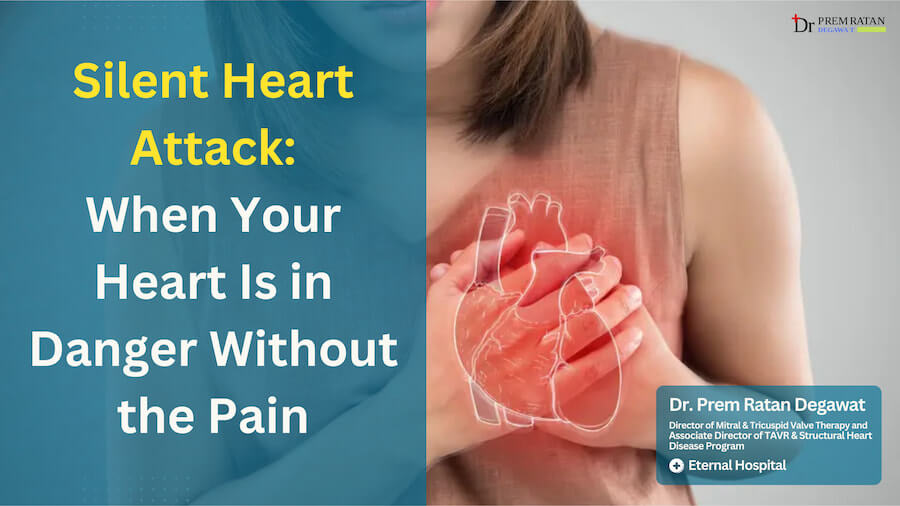
Most people picture a heart attack as a dramatic event. Crushing chest pain. Arm numbness. Collapsing to the floor.
But nearly half of all heart attacks do not feel like that at all.
A silent heart attack causes little or no obvious pain. The heart muscle loses blood supply, gets damaged, and the person carries on with their day. They may feel mildly tired. They may blame indigestion. They may feel nothing at all.
This is what makes silent heart attacks so dangerous. By the time one is discovered, weeks or even months may have passed. The window for early treatment has already closed.
If you are above 40, have diabetes, or have high blood pressure, understanding silent heart attacks could save your life. Dr. Prem Ratan Degawat, Jaipur’s leading interventional cardiologist, sees such cases regularly at Eternal Hospital and stresses the critical importance of timely screening.
Why Does a Heart Attack Happen Without Pain?
Pain is the body’s alarm system. When something goes wrong, pain signals travel through nerves to the brain.
In some people, that alarm system is muted.
Diabetes damages the small nerve fibres throughout the body, including those around the heart. This condition is called diabetic neuropathy. It means that even when the heart muscle is starved of oxygen, the pain signal does not reach the brain clearly.
Women also experience heart attack symptoms differently than men. The dramatic crushing chest pain is a pattern more common in men. Women are more likely to feel fatigue, jaw discomfort, or nausea, symptoms that are easy to misread.
Older adults may attribute cardiac symptoms to ageing and general tiredness. In all these cases, the physical damage still happens. The heart just does not send a clear enough warning.
Who Faces the Highest Risk in Rajasthan?
Silent heart attacks do not affect everyone equally.
People with uncontrolled diabetes top the list. Nerve damage from long-standing high blood sugar blunts the pain response. Diabetic patients are substantially more likely to have a silent heart attack compared to non-diabetics.
Women between the ages of 55 and 75 face higher risk than most people realise. The protective effect of oestrogen drops sharply after menopause. Heart disease risk in women rises to equal that of men within a decade, yet many women in Jaipur and Rajasthan never get routine cardiac screening.
People with poorly managed hypertension are also at significant risk. Sustained high blood pressure silently stiffens arteries over years, setting the stage for blockages.
Smokers face roughly double the normal risk of heart attack. The good news is that this risk drops substantially within two years of quitting.
People with a family history of early heart disease carry a genetic predisposition that makes preventive screening essential.
Subtle Symptoms You Should Never Ignore
A silent heart attack does not always mean zero symptoms. It means the symptoms are vague enough to be dismissed.
Unusual fatigue is the most commonly missed warning sign. This is not ordinary tiredness after a long day. It is a heavy, persistent exhaustion that does not improve with rest.
Unexplained breathlessness on mild exertion, such as climbing one floor of stairs or walking between rooms, can indicate the heart is not pumping efficiently.
Discomfort in the upper abdomen is regularly mistaken for acidity or gastritis. If antacids do not resolve it, or if it occurs during physical activity, a cardiac cause should be ruled out.
A dull ache or pressure in the jaw, back of the neck, or left shoulder that comes and goes without clear reason can be referred pain from the heart.
Cold sweating without physical activity, persistent dizziness, or a feeling of unusual weakness also warrant a cardiac evaluation.
If you belong to any high-risk group and are experiencing even one of these signs, do not wait.
How a Silent Heart Attack Is Found
Silent heart attacks are frequently discovered during routine check-ups ordered for entirely different reasons.
ECG (Electrocardiogram) is the first step. A resting ECG records the electrical activity of the heart and can show characteristic patterns left behind by a previous attack. This test takes under five minutes and is inexpensive. Yet many patients in Rajasthan skip it for years.
Echocardiography uses ultrasound to produce a moving image of the heart. If a section of the heart wall has been damaged, its movement becomes weak or abnormal. An echo can detect this even years after the original event.
Cardiac Enzyme Tests, specifically troponin levels in the blood, detect active damage to heart muscle cells. If a silent attack is occurring right now or happened very recently, these markers will be elevated. They form a core part of emergency cardiac evaluation at Eternal Hospital Jaipur.
Stress Testing evaluates the heart under controlled physical or pharmacological stress while monitoring the ECG. Blockages that do not appear at rest often become visible when the heart is under demand.
Coronary Angiography provides a direct image of the coronary arteries. When other tests suggest a problem but do not give a complete picture, angiography is the definitive tool for identifying the location and severity of any blockage.
What Happens to the Heart After a Silent Attack
Whether a heart attack is painful or painless, the underlying damage is the same.
A coronary artery becomes blocked. Blood cannot reach a section of heart muscle. Without oxygen, those muscle cells begin to die. Scar tissue forms in their place.
Scar tissue cannot contract or pump blood. When enough of the heart muscle is replaced by scar tissue, the heart’s overall pumping efficiency drops. This is what eventually leads to heart failure.
A silent heart attack that goes undetected accelerates this process. The person may later develop breathlessness, leg swelling, and persistent fatigue, all symptoms of heart failure, without ever connecting them to a cardiac event they did not know they had.
A previous silent attack also significantly raises the risk of a future, larger heart attack. Early detection changes this trajectory entirely.
Treatment Options at Eternal Hospital Jaipur
Treatment depends on how recently the attack occurred and how much blockage remains in the coronary arteries.
Medical Management forms the foundation for most patients. Blood thinners prevent new clots. Statins stabilise artery walls and lower cholesterol. Blood pressure medications reduce cardiac workload. Beta-blockers lower heart rate and protect the damaged muscle. These medications work well when taken consistently.
Coronary Angioplasty with Stenting is performed when imaging reveals a significant blockage. A thin tube is passed through the artery from the wrist or groin. A balloon opens the narrowed section and a stent holds it open permanently. No chest incision is needed. Most patients go home within 48 hours.
Bypass Surgery may be recommended when multiple arteries are severely blocked or when the anatomy makes angioplasty technically unsuitable. A new channel is created to route blood around the blocked section.
Cardiac Rehabilitation combines supervised exercise, dietary guidance, and lifestyle coaching. This structured programme significantly improves recovery and reduces the risk of future events.
Dr. Degawat works with each patient individually to select the approach best matched to their specific condition, age, and overall health.
How to Reduce Your Risk Starting Today
Get a baseline cardiac check after age 40. At minimum, this should include a resting ECG, fasting lipid profile, blood sugar, and blood pressure reading. If you have diabetes or hypertension, do not wait until 40.
Control blood sugar consistently. For diabetics, keeping HbA1c below 7 percent significantly reduces cardiovascular risk.
Manage blood pressure. A target below 130/80 mmHg is recommended for most adults with existing risk factors.
Treat high cholesterol. LDL below 100 mg/dL is the standard target for most adults, and lower for those with a prior cardiac event.
Stop smoking completely. Quitting is the single most impactful step a smoker can take for heart health.
Walk 30 minutes most days. Moderate physical activity is one of the most powerful long-term protections against heart disease.
Emergency Warning Signs: Go to the Hospital Immediately
Call 108 immediately if you experience sudden severe chest tightness or pressure, pain spreading to the left arm or jaw, loss of consciousness, extreme cold sweating with difficulty breathing, or sudden inability to speak or move normally.
Every minute of delay during an active heart attack destroys more muscle. Eternal Hospital Jaipur runs a 24-hour cardiac emergency unit with full intervention capability.
About Dr. Prem Ratan Degawat
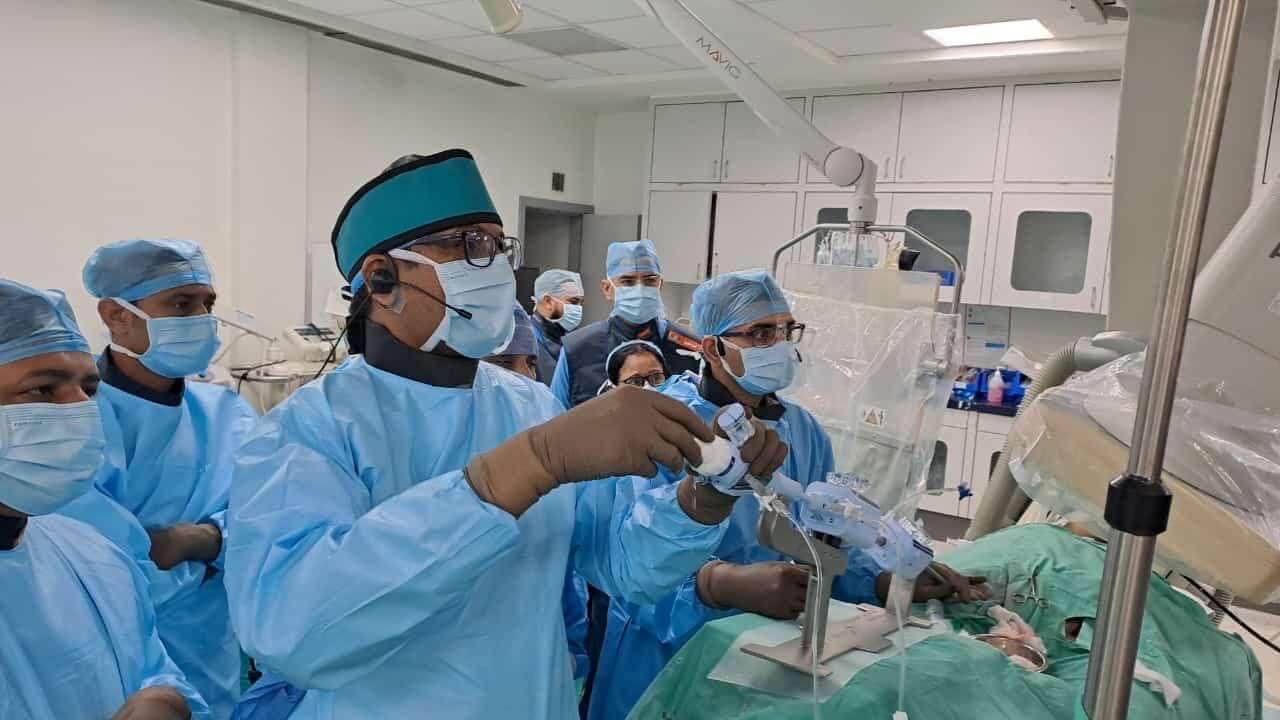
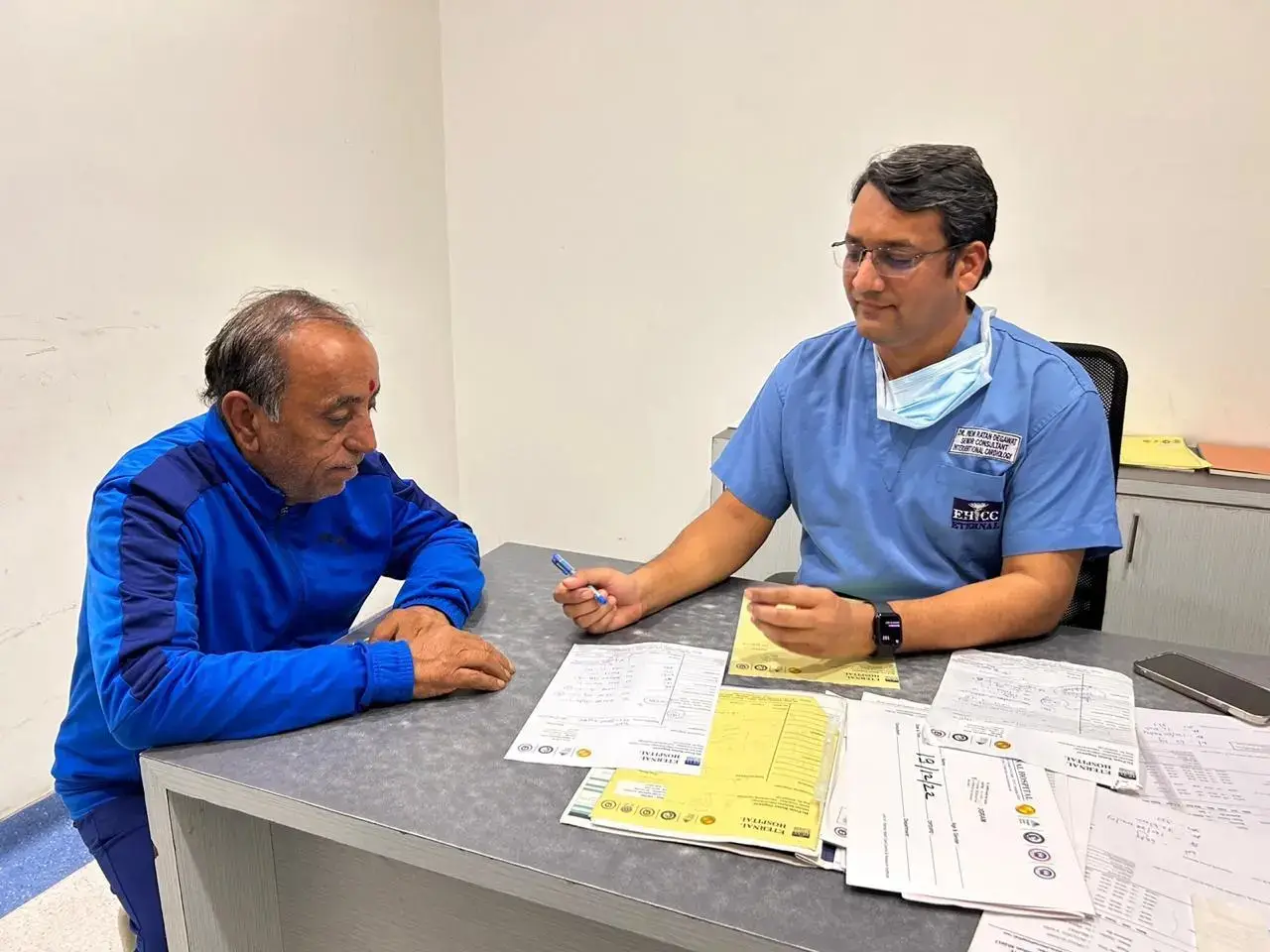
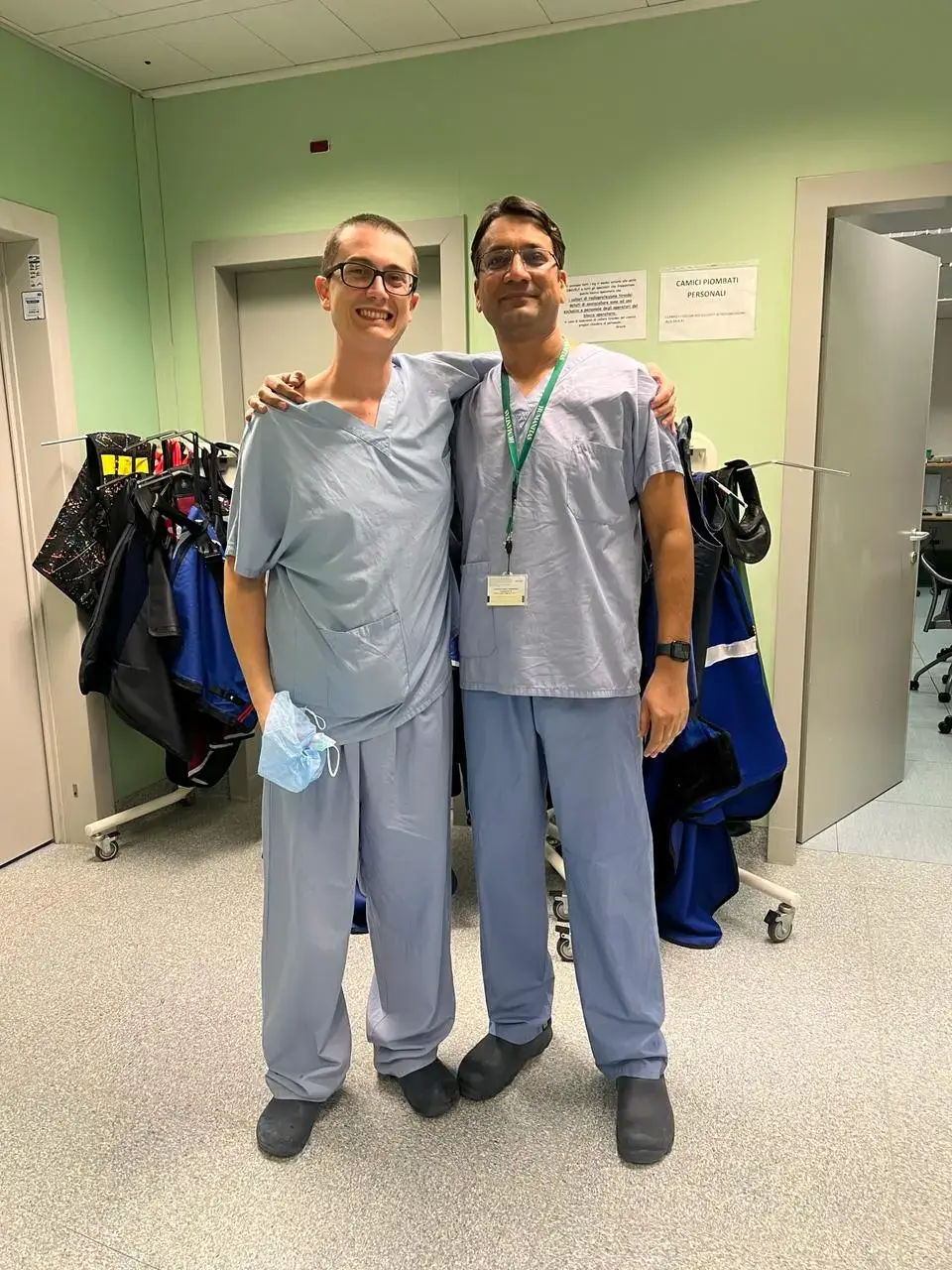
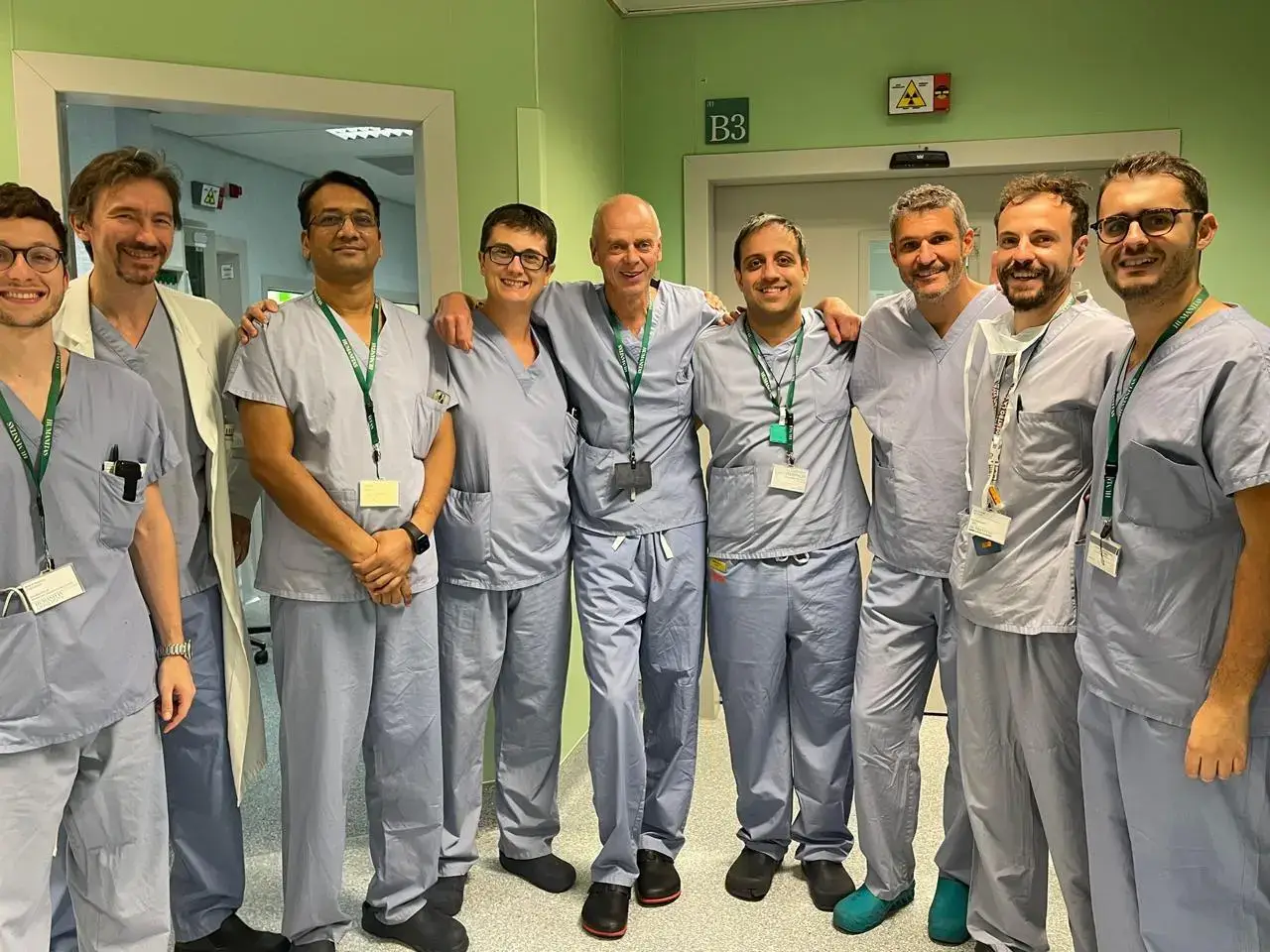
Dr. Prem Ratan Degawat is one of the most experienced interventional cardiologists in Jaipur. He serves as Associate Director of the TAVR and Structural Heart Disease Program at Eternal Hospital, and as Director of the Mitral and Tricuspid Valve Program.
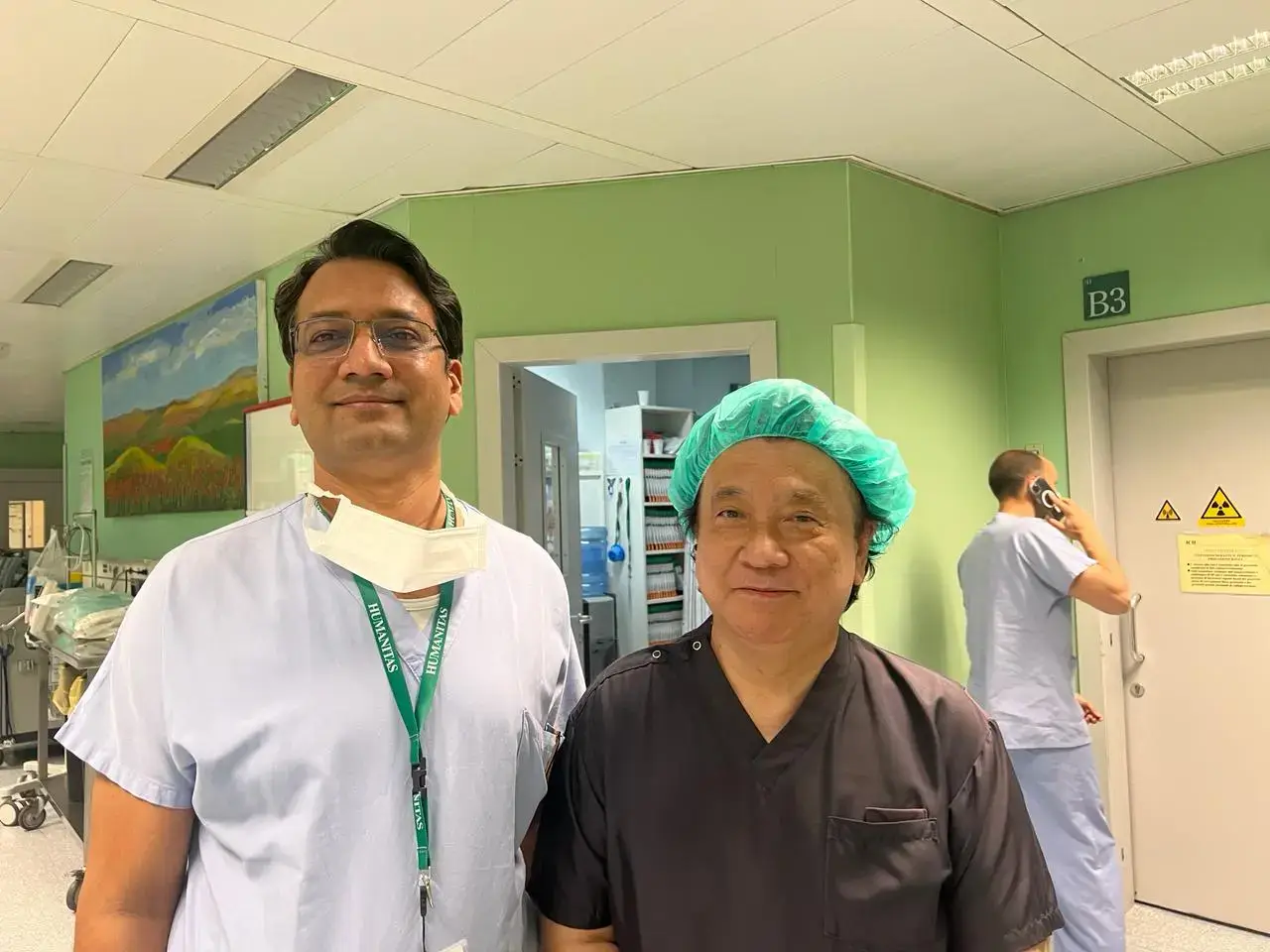
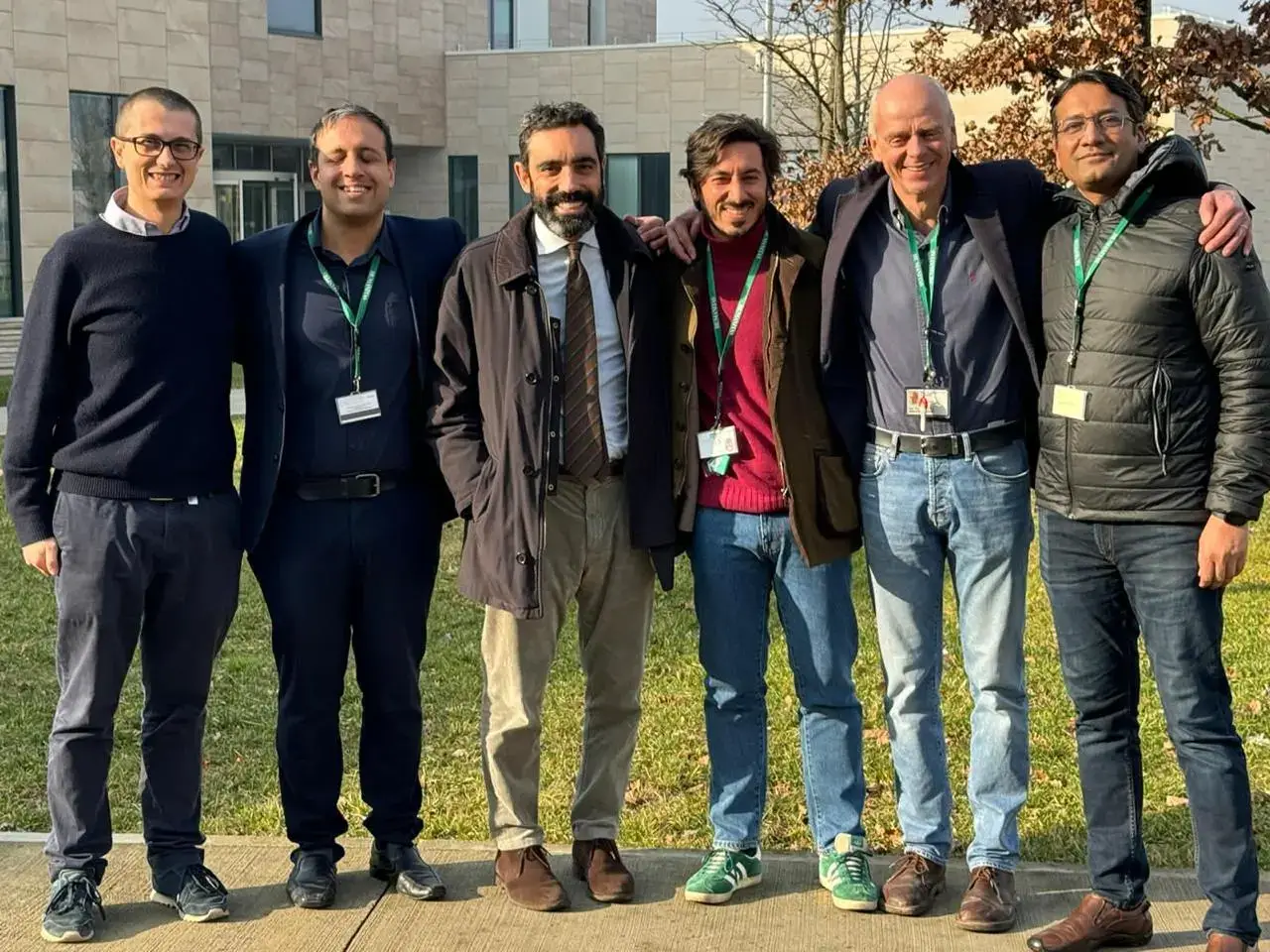
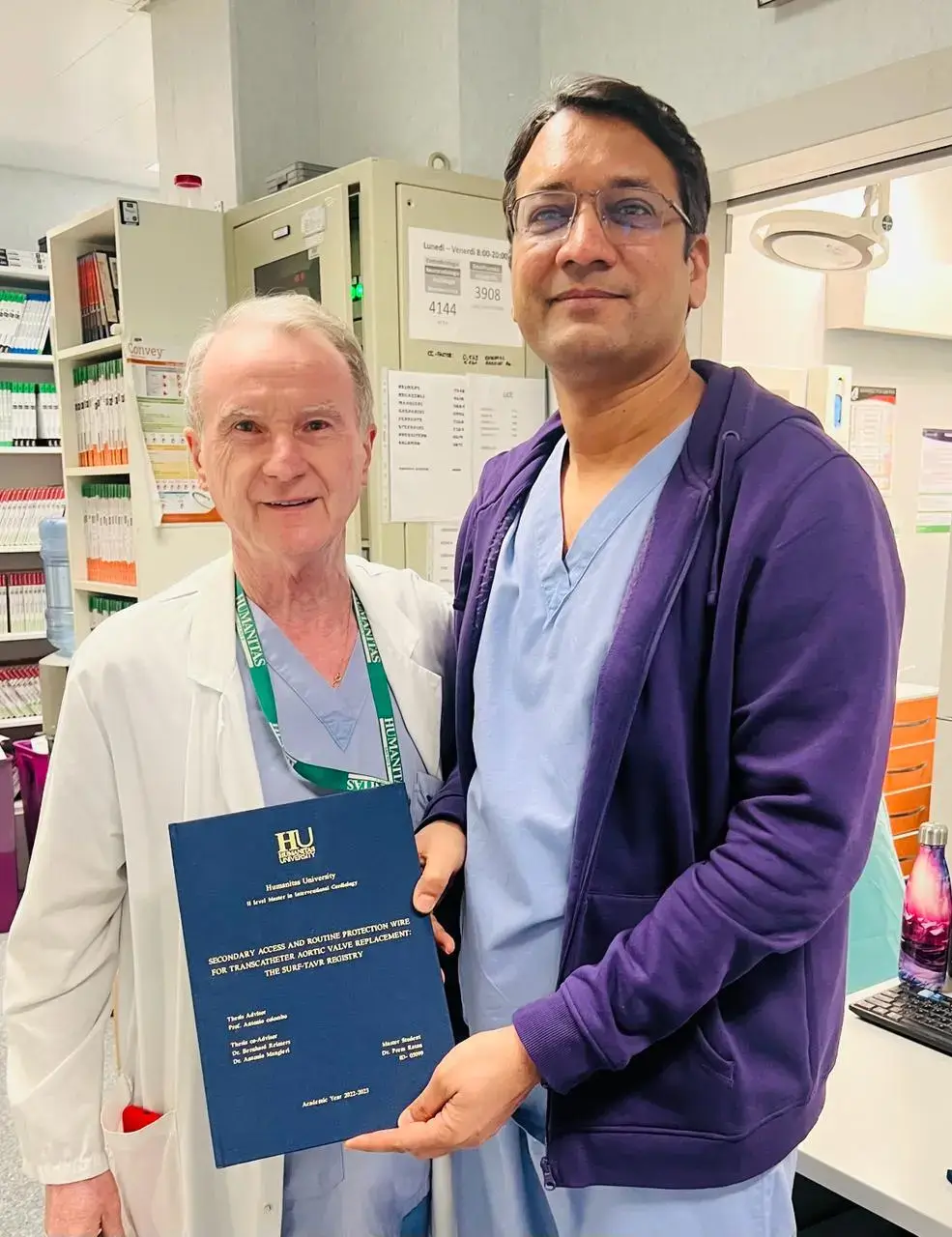
He completed his MBBS and MD from Sardar Patel Medical College, Bikaner, followed by his DM in Cardiology from King George’s Medical University, Lucknow. He received advanced structural heart training at IRCCS Humanitas Research Hospital in Italy.
Dr. Degawat has performed over 600 TAVI procedures, including complex cases involving bicuspid valves and valve-in-valve techniques. He takes a personalised approach with every patient, spending time to ensure both the patient and their family leave a consultation with full clarity about their diagnosis and options.
Consultation Details:
Hospital: Eternal Hospital, 3A Jagatpura Road, Near Jawahar Circle, Jaipur 302017
OPD Timings: Monday to Saturday, 10:00 AM to 4:00 PM
Clinic: 6/384, infront of railway headquarter, Sector 6, Malviya Nagar, Jaipur, Rajasthan 302017
Contact: +91-8960594076
FAQs:
Q1: What makes a heart attack “silent”? Is it less serious?
A silent heart attack causes the same muscle damage as a standard one. It is equally serious, and often more dangerous, because it goes undiagnosed and untreated for longer.
Q2: How is a silent heart attack detected in Jaipur?
ECG, echocardiography, and troponin blood tests are the primary tools. Dr. Degawat recommends yearly cardiac screening for all adults above 40 with risk factors at Eternal Hospital Jaipur.
Q3: I have diabetes. How often should I get my heart checked?
At least once a year, even without symptoms. If you experience unusual fatigue, breathlessness, or upper abdominal discomfort, see a cardiologist sooner rather than waiting for your annual check.
Q4: What does silent heart attack treatment cost in Jaipur?
Medication-based management costs a few thousand rupees monthly. Angioplasty at private hospitals in Jaipur typically ranges from Rs 1.5 to 3.5 lakhs. Patients under Chiranjeevi Yojana or Ayushman Bharat can access cashless treatment at Eternal Hospital.
Q5: Is it safe to exercise after a silent heart attack?
Yes, under medical supervision. Cardiac rehabilitation with guided exercise is a core part of recovery and significantly reduces the risk of future cardiac events.
Q6: Can a silent heart attack be confused with gastritis or acidity?
Yes, frequently. If upper abdominal discomfort recurs, worsens with exertion, or does not respond to antacids, get a cardiac evaluation done promptly.
Q7: Is Chiranjeevi Yojana applicable for heart attack treatment at Eternal Hospital?
Yes. Eternal Hospital is empanelled under both Chiranjeevi Yojana and Ayushman Bharat PM-JAY. Carry your Jan Aadhaar card for cashless registration at the hospital counter.
Q8: Why should I consult Dr. Prem Ratan Degawat for cardiac care in Jaipur?
Dr. Degawat brings extensive interventional experience, international training, and 600+ advanced structural heart procedures. He prioritises patient understanding and creates personalised treatment plans for every individual.
This article is intended for informational purposes only and does not constitute medical advice. Please consult a qualified cardiologist for diagnosis and treatment specific to your condition.