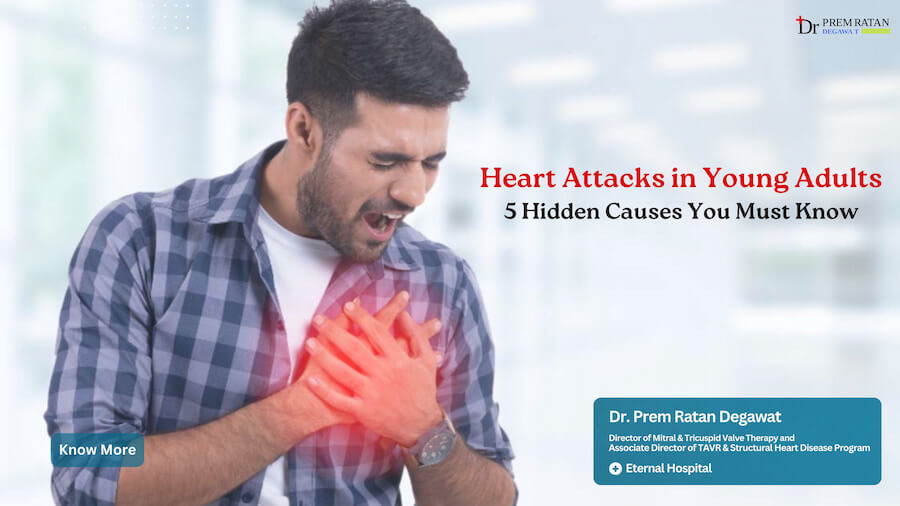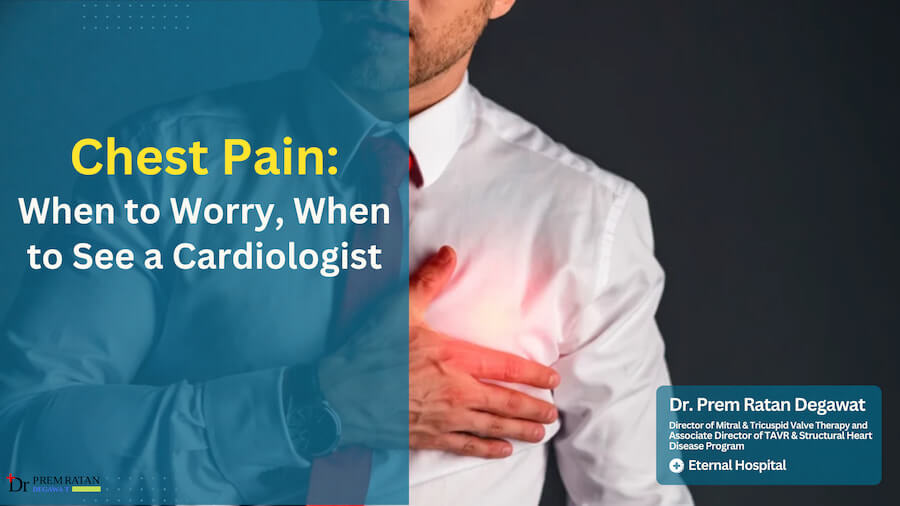
Chest pain can be terrifying. Your first thought is probably “Am I having a heart attack?” The good news is that most chest pain isn’t from your heart. Studies show only 15% of chest pain cases are cardiac-related.
But how do you know the difference? When should you rush to the emergency room, and when can you wait? This guide helps you understand chest pain and make the right decision.
Understanding Heart Attack Chest Pain
Heart attack pain has specific characteristics. Knowing these can save your life.
Classic Heart Attack Symptoms
The pain feels like:
- Heavy pressure or squeezing in the center or left chest
- Crushing sensation, like an elephant sitting on your chest
- Tightness or fullness
- Severe discomfort that lasts more than 5 minutes
- Pain that doesn’t change with position or breathing
The pain spreads to:
- Left arm (most common)
- Both arms
- Jaw or neck
- Back (between shoulder blades)
- Upper abdomen
Additional warning signs:
- Shortness of breath
- Cold sweats
- Nausea or vomiting
- Lightheadedness or dizziness
- Unusual fatigue
- Sense of impending doom
Important: Women often have different symptoms. They may experience more nausea, back pain, jaw pain, or just unusual fatigue without typical chest pain.
Diabetic patients: May have “silent” heart attacks with minimal chest pain due to nerve damage. Watch for unusual fatigue, shortness of breath, or nausea.
Heart Attack Pain Timeline
Duration: Lasts more than 5 minutes, often 20-30 minutes or longer. Pain may come and go in waves.
Triggers: Often occurs at rest or with minimal exertion. May wake you from sleep. Physical or emotional stress can trigger it.
Relief: Does not improve with rest, position changes, or antacids. May partially improve with nitroglycerin if you have it.
Non-Cardiac Causes of Chest Pain
About 83% of emergency room chest pain cases are non-cardiac. Here are the most common causes.
1. GERD (Acid Reflux) – Most Common
Acid reflux is the number one cause of non-cardiac chest pain.
How it feels:
- Burning sensation rising in chest
- Pain behind breastbone
- May feel like pressure or squeezing
- Can mimic heart attack pain
Key differences from heart attack:
- Occurs after eating, especially heavy or spicy meals
- Worse when lying down
- Improves with antacids within 5-10 minutes
- Sour taste in mouth
- Heartburn sensation
Why it’s confusing: Your esophagus runs right next to your heart. Both share the same nerve pathways, so your brain can’t always tell the difference.
What to do: Try antacids. If pain improves quickly, it’s likely GERD. Still see a doctor for persistent symptoms.
2. Muscle Strain
Chest wall pain is very common, especially after exercise or heavy lifting.
How it feels:
- Sharp, stabbing pain
- Pain in specific spot you can point to
- Aching or soreness
- Worse with movement or breathing
Key differences:
- Pain increases when you press on the area
- Worsens with arm movement or twisting
- Hurts more with deep breaths or coughing
- Developed after physical activity
- Pain is localized, not spreading
What to do: Rest, ice, and over-the-counter pain relievers usually help. See a doctor if pain doesn’t improve in a few days.
3. Costochondritis
Inflammation where ribs connect to breastbone. Very common and often mistaken for heart attack.
How it feels:
- Sharp pain on chest
- Tender when pressing the area
- Pain with movement or deep breathing
- Can be quite severe
Key differences:
- Specific tender points on chest wall
- Pain changes with position
- Worse with coughing or sneezing
- No other symptoms like sweating or nausea
What to do: Anti-inflammatory medications and warm compresses help. Usually improves in 1-2 weeks.
4. Anxiety and Panic Attacks
Panic attacks cause chest pain in 28.5% of cases. The pain feels very real.
How it feels:
- Sharp or stabbing chest pain
- Tightness or pressure
- Rapid heartbeat (palpitations)
- Can be quite severe
Key differences:
- Comes during or after stressful situations
- Accompanied by intense fear or worry
- Rapid breathing or hyperventilation
- Tingling in hands or feet
- Feeling of losing control
- Usually peaks within 10 minutes
What to do: Deep breathing exercises help. Seek evaluation to rule out heart problems first. Consider therapy for recurring panic attacks.
5. Lung Problems
Pleurisy (lung lining inflammation):
- Sharp pain worse with breathing
- Often follows respiratory infection
- May have fever and cough
Pneumonia:
- Chest pain with coughing
- Fever and difficulty breathing
- Productive cough
Pulmonary embolism (blood clot in lung):
- Sudden sharp chest pain
- Severe shortness of breath
- Rapid heart rate
- This is an emergency – call 911
6. Other Causes
Shingles:
- Burning pain in band-like pattern
- Rash appears 2-3 days after pain starts
- Usually affects one side only
Referred pain from abdomen:
- Gallbladder problems
- Stomach ulcers
- Pancreatitis
Red Flags: When to Call 112 Immediately
Don’t wait if you have these symptoms. Call emergency services NOW:
Call 112 if chest pain is:
- Severe, crushing, or pressure-like
- Lasting more than 5 minutes
- Spreading to arm, jaw, neck, or back
- Accompanied by sweating
- With shortness of breath
- With nausea or vomiting
- With lightheadedness or fainting
- Different from previous chest pain episodes
High-risk situations:
- Age over 40 with risk factors
- History of heart disease
- Diabetes, high blood pressure, or high cholesterol
- Smoker or tobacco user
- Family history of early heart disease
- Previous heart attack or heart surgery
Don’t drive yourself. Call ambulance. Paramedics can start treatment immediately and are equipped for cardiac emergencies.
Safe-to-Wait Scenarios
You can schedule a regular appointment (not emergency) if:
The pain is:
- Brief (seconds to a minute)
- Changes with position or breathing
- Improves with antacids
- Localized to one specific spot
- Related to movement or pressure on area
- Sharp and stabbing (less likely cardiac)
And you have:
- No other concerning symptoms
- History of similar pain that was non-cardiac
- Recent muscle strain or injury
- Known GERD or anxiety disorder
Still see a doctor soon to get proper diagnosis, even if not an emergency.
What to Tell Your Doctor
Whether emergency or scheduled visit, provide this information:
About the pain:
- Exactly where it hurts
- How it feels (pressure, burning, sharp, aching)
- When it started
- How long it lasts
- What makes it better or worse
- Does it spread anywhere
Your symptoms:
- List all accompanying symptoms
- Rate pain severity (1-10 scale)
- What you were doing when it started
- Any triggers you’ve noticed
Your medical history:
- Current medications
- Previous heart problems
- Risk factors (diabetes, high blood pressure, cholesterol)
- Family history of heart disease
- Smoking or tobacco use
- Recent illnesses or injuries
Chest Pain Evaluation in Jaipur
Dr. Prem Ratan Degawat offers comprehensive chest pain evaluation with advanced diagnostic facilities.
Initial Assessment
Emergency evaluation:
- Immediate ECG (electrocardiogram)
- Blood tests for cardiac markers (troponin)
- Vital signs monitoring
- Cardiac risk assessment
- Quick diagnosis and treatment
Non-emergency evaluation:
- Detailed history and physical exam
- ECG and chest X-ray
- Blood tests (cardiac markers, inflammation)
- Risk factor analysis
Advanced Diagnostic Tests
Stress Test (TMT):
- Evaluates heart function during exercise
- Detects blockages
- Cost: ₹2,000 – ₹4,000
Echocardiogram:
- Ultrasound of heart
- Checks heart structure and function
- Cost: ₹2,500 – ₹5,000
CT Coronary Angiography:
- Detailed heart artery imaging
- Non-invasive
- Cost: ₹8,000 – ₹15,000
Coronary Angiography:
- Gold standard for artery blockages
- Done if high risk or positive tests
- Cost: ₹15,000 – ₹30,000
Complete evaluation package: ₹5,000 – ₹10,000 (includes consultation, ECG, echo, blood tests)
Why Choose Dr. Degawat
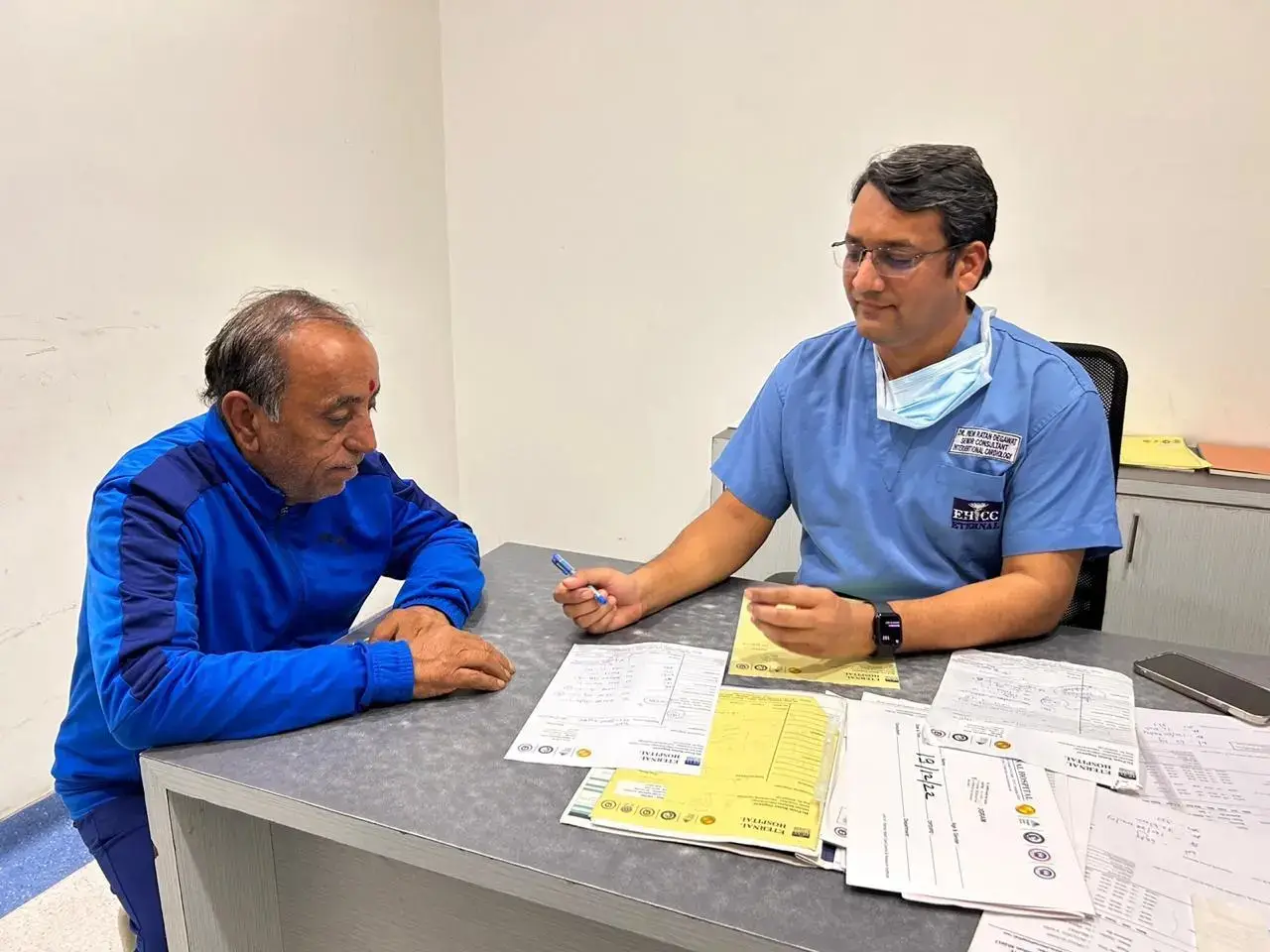
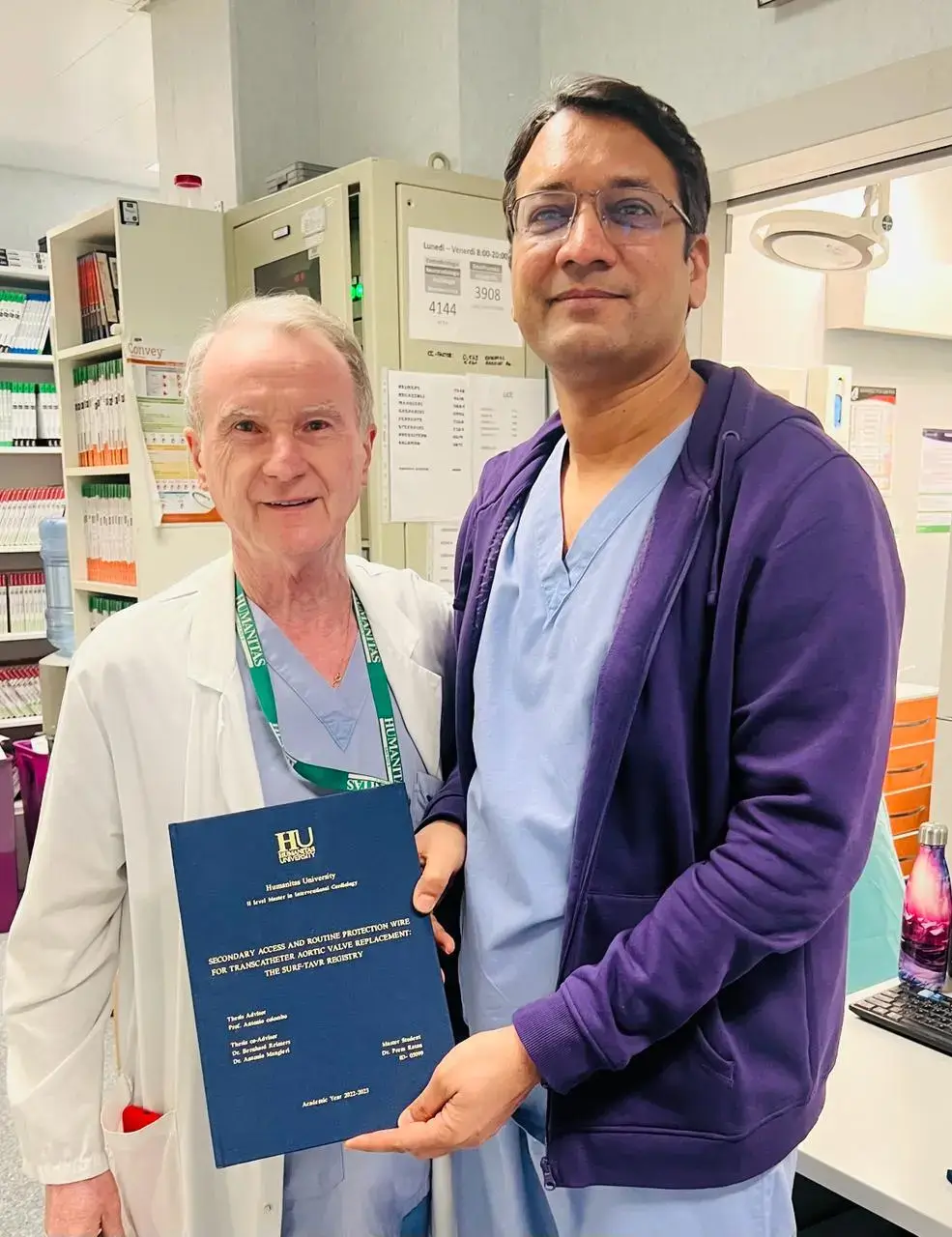
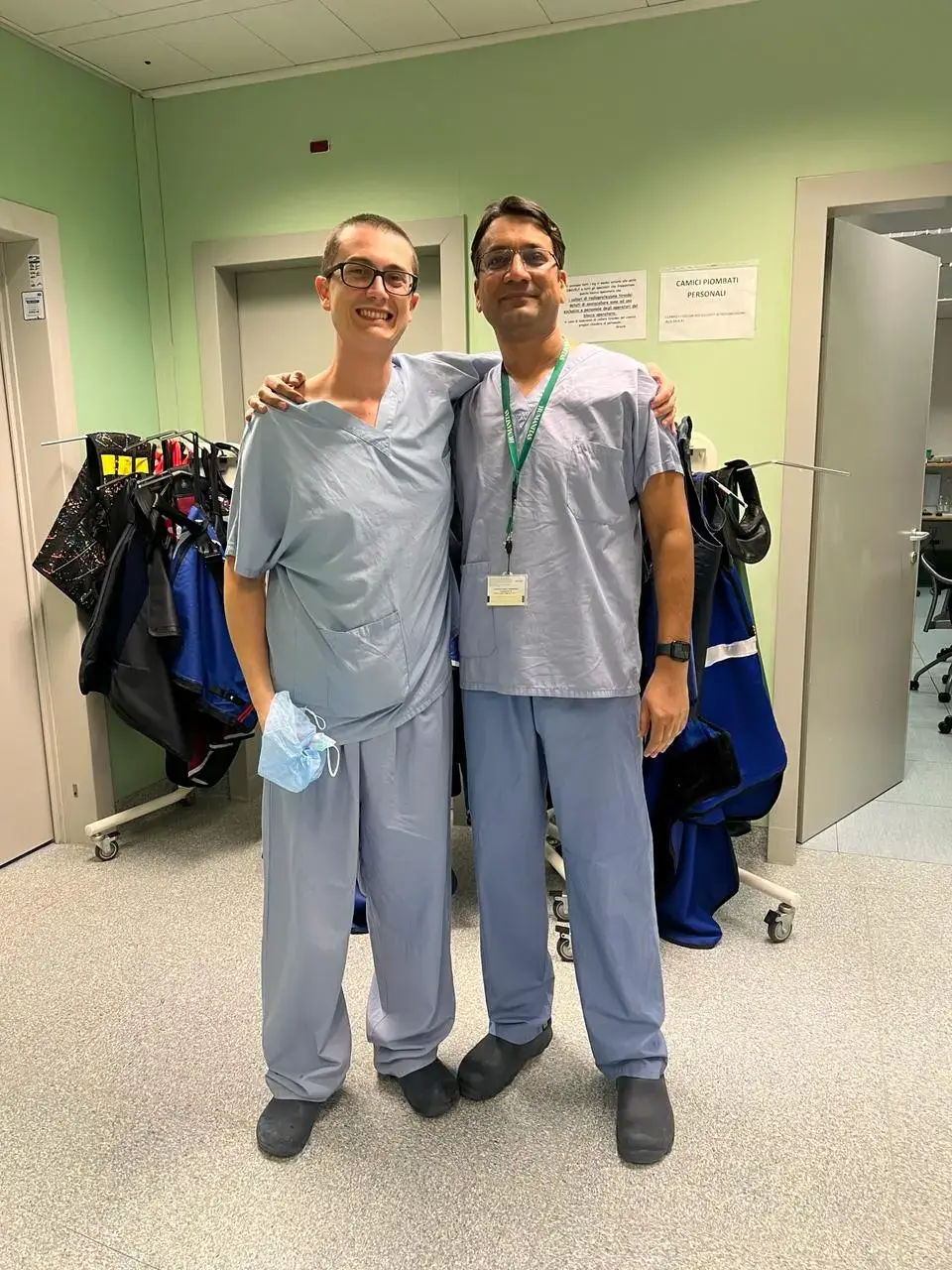
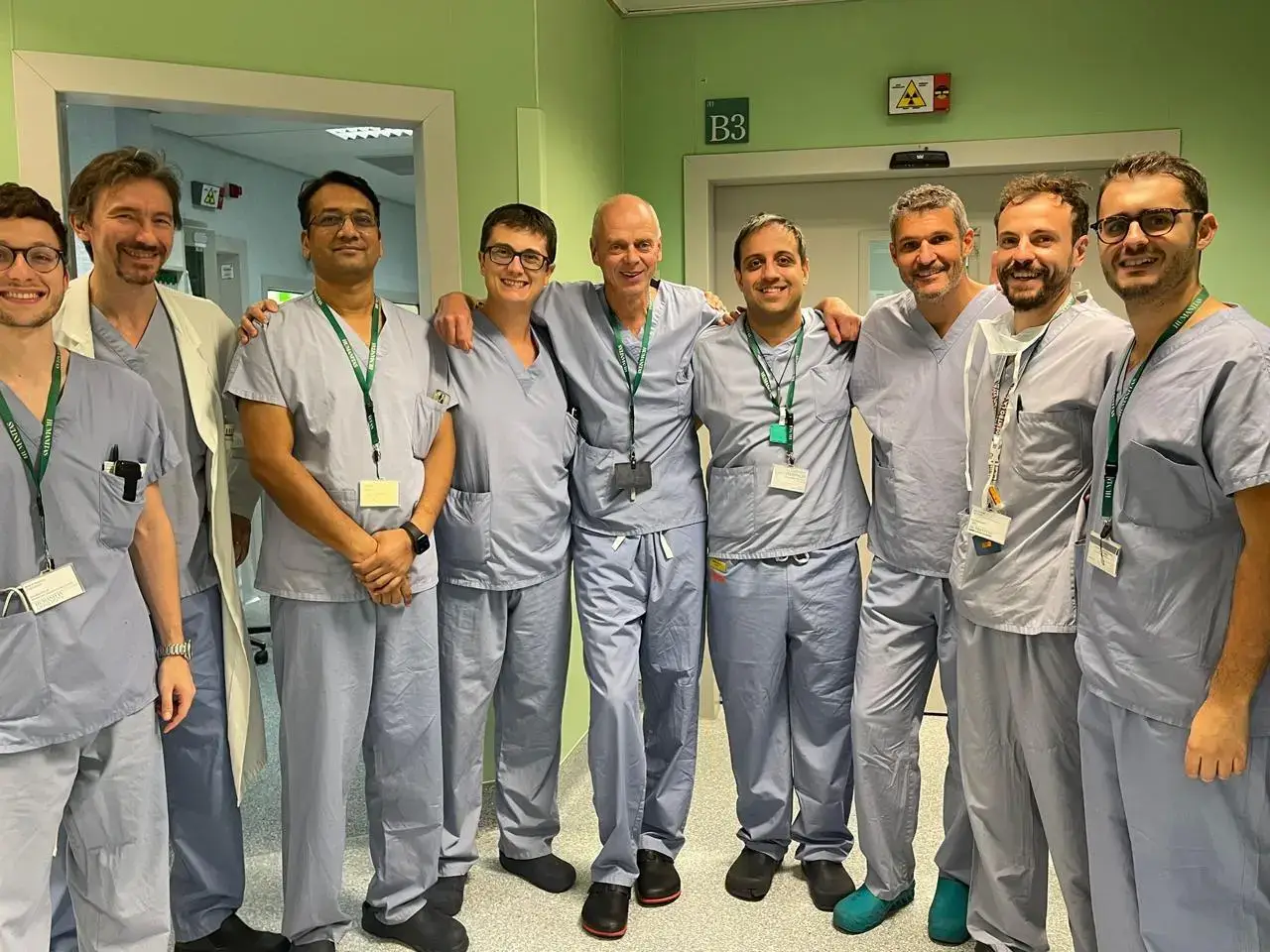
Expertise:
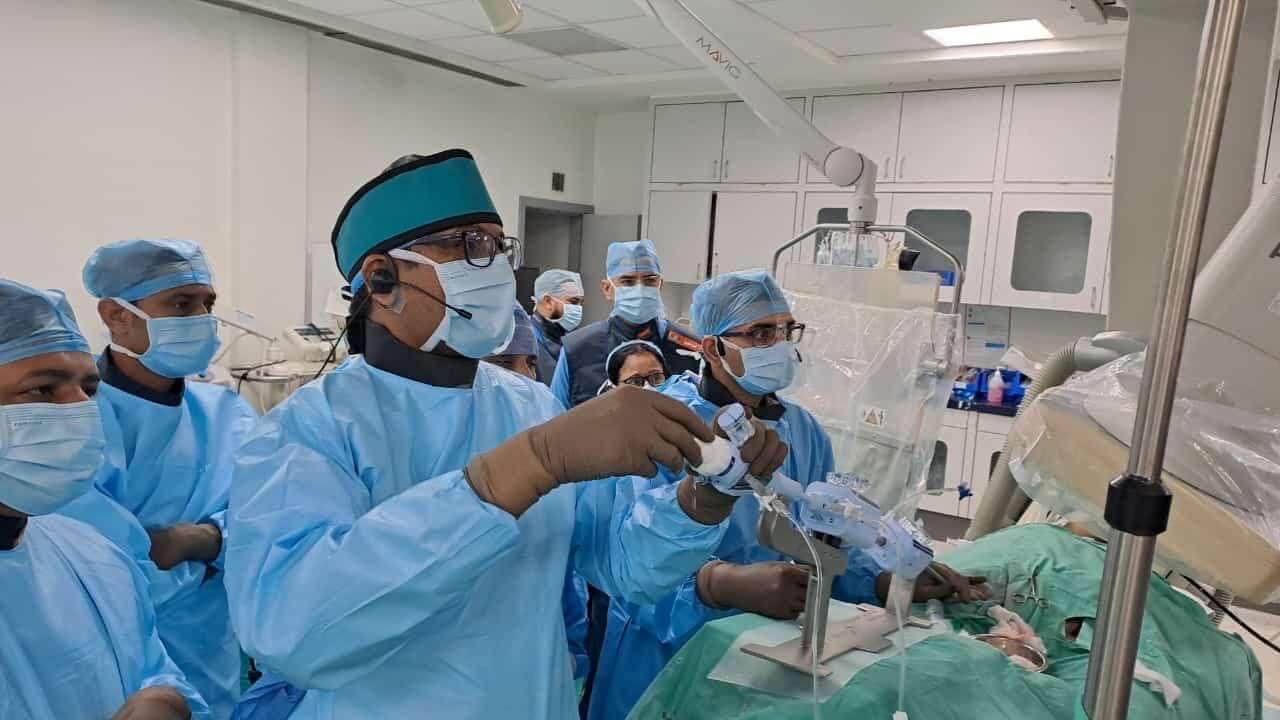
- 15+ years in interventional cardiology
- Expert in chest pain evaluation
- Quick, accurate diagnosis
- Emergency services available 24/7
Advanced facilities:
- State-of-the-art ECG and echo
- Cardiac catheterization lab
- Exercise testing facility
- On-site blood testing
Comprehensive care:
- Same-day appointments for urgent cases
- Emergency evaluation available
- Treatment options from medication to angioplasty in Jaipur
- Advanced procedures: TAVI in Jaipur, MitraClip In Jaipur
Affordable care:
- Transparent pricing
- Insurance assistance
- 20-30% lower costs than metro cities
- No compromise on quality
Emergency Numbers
National Emergency: 112 (all-India emergency number)
Ambulance: 102 or 108 (depending on state)
Dr. Degawat’s Emergency Line: [Contact clinic for 24/7 emergency number]
When calling emergency:
- State you have chest pain
- Mention your location clearly
- Stay on the line for instructions
- Don’t hang up until told
- Have someone stay with you
Your Action Plan
If chest pain occurs:
Step 1: Stop what you’re doing and sit down.
Step 2: Assess your symptoms using red flags list above.
Step 3: Call 112 immediately if any red flags present.
Step 4: If safe-to-wait scenario, try antacids and rest.
Step 5: Schedule appointment with cardiologist within 24-48 hours even if pain improves.
Step 6: Keep record of pain episodes for your doctor.
Prevention Tips
Prevent both cardiac and non-cardiac chest pain:
For heart health:
- Regular exercise (30 minutes daily)
- Healthy diet
- Maintain healthy weight
- Control blood pressure and cholesterol
- Don’t smoke
- Manage stress
- Regular checkups after age 30
For GERD:
- Eat smaller meals
- Avoid spicy and fatty foods
- Don’t lie down immediately after eating
- Elevate head of bed
- Limit caffeine and alcohol
For muscle strain:
- Warm up before exercise
- Use proper lifting techniques
- Don’t overexert
- Stretch regularly
Take Chest Pain Seriously
While most chest pain isn’t from your heart, you can’t diagnose yourself. The stakes are too high. When in doubt, get evaluated.
Remember:
- Trust your instincts
- Better safe than sorry
- Time matters in heart attacks
- Early treatment saves lives
- Don’t let cost concerns delay emergency care
Schedule your evaluation with Dr. Prem Ratan Degawat. Whether emergency or routine, expert cardiac care is available in Jaipur. Your heart health is priceless.
Frequently Asked Questions (FAQs)
1. How can I tell if chest pain is from my heart?
Heart pain typically feels like pressure, squeezing, or crushing in the center or left chest, lasts more than 5 minutes, spreads to arm/jaw, and comes with sweating, shortness of breath, or nausea. Non-cardiac pain is usually sharp, changes with breathing or position, and improves with antacids.
2. Should I go to ER for all chest pain?
Go to ER immediately if pain is severe, lasts more than 5 minutes, spreads to arm/jaw, or comes with sweating, shortness of breath, or nausea. Safe-to-wait scenarios include brief pain that changes with position, improves with antacids, or is clearly related to muscle strain.
3. Can anxiety cause real chest pain?
Yes. Panic attacks cause chest pain in 28.5% of cases. The pain is real, not imagined. It typically comes with rapid heartbeat, difficulty breathing, tingling, and intense fear. However, always rule out heart problems first, especially if it’s your first episode.
4. How much does chest pain evaluation cost in Jaipur?
Basic evaluation (consultation, ECG, blood tests) costs ₹1,500-₹3,000. Complete package with echo costs ₹5,000-₹10,000. Advanced tests like CT angiography cost ₹8,000-₹15,000. Emergency evaluation may have additional charges but should never be delayed due to cost concerns.
5. Can GERD feel exactly like a heart attack?
Yes. GERD can cause pressure, squeezing, or burning chest pain that mimics heart attack. Key difference: GERD pain typically occurs after eating, worsens when lying down, and improves quickly with antacids. Still, don’t self-diagnose – get evaluated to be sure.
6. When is chest pain an emergency vs just monitoring?
Emergency: severe, crushing pain lasting 5+ minutes, spreading to arm/jaw, with sweating, shortness of breath, or nausea. Monitor and schedule appointment: brief pain that changes with position, improves with antacids, or follows known triggers like heavy meals or anxiety.
7. Can young people have heart attacks?
Yes. While rare, heart attacks occur in younger people, especially with risk factors like smoking, cocaine use, family history, or conditions like diabetes. Indians develop heart disease 10 years earlier than Western populations, making early screening important.
8. Why choose Dr. Degawat for chest pain evaluation in Jaipur?
Dr. Degawat offers 15+ years of expertise, 24/7 emergency services, same-day appointments for urgent cases, state-of-the-art diagnostic facilities, accurate diagnosis, comprehensive treatment options, and affordable care. He provides metro-city quality at Jaipur’s accessible costs with transparent pricing.
Disclaimer: This article is for informational purposes only and does not replace professional medical advice, diagnosis, or emergency care; if you experience severe or sudden chest pain, seek immediate medical attention or call your local emergency number.