
When diagnosed with coronary artery disease, one of the most pressing questions patients face is whether to undergo bypass surgery or angioplasty—and how much each will cost. Understanding the financial implications of both procedures is crucial for making an informed decision that balances medical needs with economic reality.
Understanding the Cost Difference
Angioplasty with Stenting:
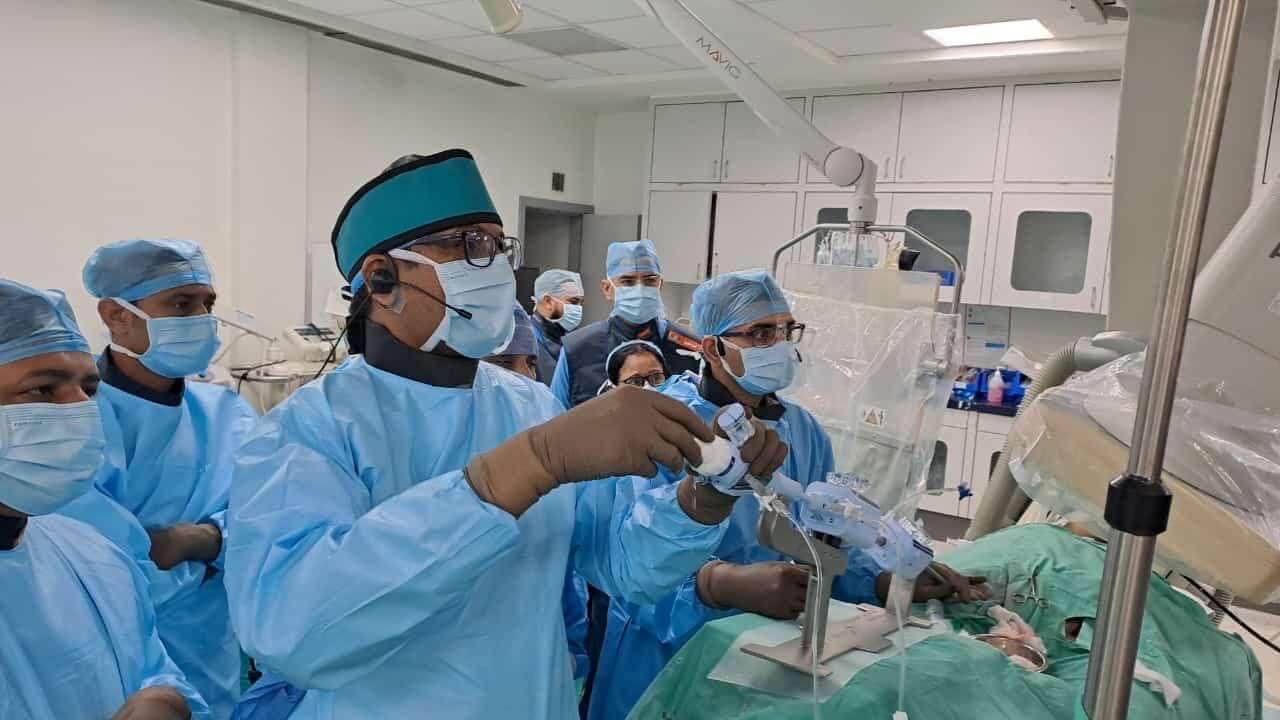
Angioplasty, also called PCI (Percutaneous Coronary Intervention), is a minimally invasive procedure where blocked arteries are opened using a balloon and stent. The cost typically ranges from ₹1.5 lakhs to ₹4 lakhs depending on the number of stents, type of stents used, and hospital selection.
Bypass Surgery (CABG):
Coronary Artery Bypass Grafting (CABG) is open-heart surgery where surgeons create new pathways for blood flow using grafts. Costs range from ₹2.5 lakhs to ₹7 lakhs based on the number of grafts, surgical technique (on-pump vs off-pump), and hospital infrastructure.
Detailed Cost Breakdown: What’s Included
Angioplasty Cost Components
Basic Procedure: ₹80,000-1,50,000
- Catheterization lab charges
- Cardiologist fees
- Anesthesia and monitoring
Stent Costs: ₹40,000-2,00,000 per stent
- Bare Metal Stent (BMS): ₹40,000-60,000
- Drug-Eluting Stent (DES): ₹60,000-1,20,000
- Biodegradable Stent: ₹1,50,000-2,00,000
Hospital Stay: ₹20,000-50,000
- 1-2 days typically
- ICU charges if required
Medications & Follow-up: ₹15,000-30,000 annually
- Blood thinners for 6-12 months
- Regular follow-up tests
Bypass Surgery Cost Components
Surgical Procedure: ₹1,50,000-3,50,000
- Surgeon fees
- Operation theater charges
- Anesthesia team
Hospital Infrastructure: ₹80,000-2,00,000
- ICU stay (3-5 days)
- General ward (5-7 days)
- Cardiac monitoring equipment
Medical Consumables: ₹30,000-80,000
- Grafts and surgical materials
- Blood products if needed
- Medications during hospital stay
Post-Operative Care: ₹20,000-50,000
- Physiotherapy
- Wound care
- Follow-up consultations
Factors That Influence Total Costs
Number of Blockages Treated
Angioplasty: Cost increases with each additional stent. Single-vessel disease may cost ₹1.5-2 lakhs, while triple-vessel disease can reach ₹3.5-4 lakhs.
Bypass Surgery: Multiple grafts don’t proportionally increase costs. Whether you need 3 grafts or 5 grafts, the cost difference is relatively modest (₹50,000-1 lakh), making CABG more economical for extensive disease.
Type of Stent or Graft
Stent Selection: Drug-eluting stents cost significantly more than bare metal but have lower re-blockage rates. Newer biodegradable stents are the most expensive but may reduce long-term medication costs.
Graft Type: Arterial grafts (using internal mammary artery) last longer but are more complex. Venous grafts are simpler but may not last as long.
Hospital Category
Government Hospitals: ₹50,000-2 lakhs for both procedures with longer waiting times
Private Hospitals (Tier-2 cities): ₹1.5-4 lakhs (angioplasty), ₹2-5 lakhs (CABG)
Corporate Hospitals (Metro cities): ₹2.5-4 lakhs (angioplasty), ₹4-7 lakhs (CABG)
Surgical Complexity
Emergency procedures cost 20-30% more than planned surgeries. Patients with diabetes, kidney disease, or previous heart procedures face higher costs due to increased complexity and risk.
Hidden Costs to Consider
Many patients focus solely on the procedure cost but overlook significant additional expenses:
Pre-Operative Tests: ₹15,000-40,000
- Angiography (if not done previously)
- Blood tests, ECG, echocardiogram
- Chest X-ray, lung function tests
Medications (First Year)
- Angioplasty: ₹15,000-30,000 for blood thinners and other cardiac medications
- Bypass Surgery: ₹10,000-20,000 for basic cardiac medications
Follow-Up Costs (Annual)
- Regular check-ups: ₹5,000-10,000
- Stress tests, echocardiograms: ₹8,000-15,000
- Repeat angiography if needed: ₹25,000-40,000
Lost Income During Recovery
- Angioplasty: 1-2 weeks off work
- Bypass Surgery: 6-12 weeks off work
Caregiver Expenses: Family members taking time off work, travel costs for hospital visits, and home care assistance during recovery.
Long-Term Cost Analysis: The 10-Year Perspective
While angioplasty appears cheaper initially, long-term costs can shift the equation:
Angioplasty Long-Term Costs
- Initial procedure: ₹2-4 lakhs (assuming 2 stents)
- Repeat procedure rate: 10-20% within 5 years
- Second angioplasty if needed: ₹1.5-3 lakhs
- Medications (10 years): ₹1-2 lakhs
- Total 10-year estimate: ₹4-9 lakhs
Bypass Surgery Long-Term Costs
- Initial procedure: ₹3-6 lakhs
- Repeat procedure rate: 5-10% within 10 years
- Medications (10 years): ₹80,000-1.5 lakhs
- Total 10-year estimate: ₹4-7.5 lakhs
For extensive coronary disease, bypass surgery often proves more economical over time due to lower repeat procedure rates and comparable medication costs.
When to Choose Angioplasty
Angioplasty may be the better option if you:
Have Single or Double Vessel Disease: Limited blockages are ideal for stenting, making it cost-effective and minimally invasive.
Need Immediate Treatment: Emergency heart attacks require rapid intervention, and angioplasty can be performed immediately.
Want Faster Recovery: Return to work within 1-2 weeks versus 2-3 months for bypass surgery.
Have Budget Constraints: Lower upfront costs make angioplasty more accessible initially.
Are Elderly or High-Risk: Patients who may not tolerate major surgery well benefit from the less invasive approach.
Have Left Main or Triple Vessel Disease with Low Complexity: Modern drug-eluting stents have made angioplasty viable for some multi-vessel cases.
When to Choose Bypass Surgery
Bypass surgery may be preferable if you:
Have Triple Vessel Disease: Multiple severe blockages are often better treated with bypass for complete revascularization.
Have Diabetes: Diabetic patients with multi-vessel disease have better long-term outcomes with CABG.
Have Left Main Coronary Artery Disease: This critical blockage often requires bypass for optimal results.
Have Chronic Total Occlusions: Completely blocked arteries that are difficult to open with angioplasty.
Want Longer-Lasting Results: Arterial grafts can last 20-30 years, while stents may require repeat procedures.
Have Complex Anatomy: Severely calcified or tortuous arteries may not be suitable for stenting.
City-Wise Cost Comparison 2026
Costs vary significantly across Indian cities based on infrastructure, expertise availability, and living costs:
Mumbai
- Angioplasty: ₹2-4 lakhs
- CABG: ₹3.5-7 lakhs
Delhi/NCR
- Angioplasty: ₹1.8-3.8 lakhs
- CABG: ₹3-6.5 lakhs
Bangalore
- Angioplasty: ₹1.8-3.5 lakhs
- CABG: ₹2.8-6 lakhs
Chennai
- Angioplasty: ₹1.5-3.2 lakhs
- CABG: ₹2.5-5.5 lakhs
Pune
- Angioplasty: ₹1.8-3.5 lakhs
- CABG: ₹2.8-6 lakhs
Hyderabad
- Angioplasty: ₹1.6-3.3 lakhs
- CABG: ₹2.5-5.8 lakhs
Ahmedabad
- Angioplasty: ₹1.5-3 lakhs
- CABG: ₹2.5-5.5 lakhs
Kolkata
- Angioplasty: ₹1.5-3 lakhs
- CABG: ₹2.3-5.2 lakhs
Tier-2 Cities (Jaipur, Lucknow, Indore, Coimbatore)
- Angioplasty: ₹1.2-2.5 lakhs
- CABG: ₹2-4.5 lakhs
Insurance Coverage and Government Schemes
Private Health Insurance Most health insurance policies cover both procedures under hospitalization benefits. However, coverage specifics vary:
- Waiting Period: 2-4 years for pre-existing conditions
- Sub-Limits: Some policies cap cardiac procedures at ₹2-3 lakhs
- Room Rent Restrictions: Can reduce overall coverage by 10-30%
- Co-Payment: Some policies require 10-20% patient contribution
Ayushman Bharat (PMJAY) Covers both angioplasty and bypass surgery for eligible families with annual income below specified limits. Package rates are standardized but may have limited hospital network access.
State Government Schemes Many states offer cardiac care schemes:
- Maharashtra: Mahatma Jyotiba Phule Jan Arogya Yojana
- Tamil Nadu: Chief Minister’s Comprehensive Health Insurance Scheme
- Karnataka: Suvarna Arogya Suraksha Trust
- Rajasthan: Bhamashah Swasthya Bima Yojana
Tips for Maximizing Insurance Benefits
- Choose network hospitals to avoid cashless claim rejection
- Obtain pre-authorization before admission
- Keep all medical records and bills organized
- Understand what’s included in your package rate
- Appeal rejected claims with proper documentation
Medical Tourism: Cost Savings for International Patients
India has become a preferred destination for cardiac procedures due to world-class expertise at a fraction of Western costs:
Cost Comparison
- USA: $30,000-$100,000 (₹25-85 lakhs)
- UK: £15,000-£40,000 (₹16-42 lakhs)
- India: ₹1.5-7 lakhs
Even with travel and accommodation, international patients save 60-80% compared to their home countries while receiving care from internationally trained cardiologists at JCI-accredited hospitals.
Financial Planning Strategies
Before Diagnosis
- Maintain comprehensive health insurance with adequate cardiac coverage
- Build an emergency medical fund of ₹3-5 lakhs
- Understand your policy’s cardiac care sub-limits and waiting periods
After Diagnosis
- Get cost estimates from 2-3 hospitals in writing
- Compare package deals versus itemized billing
- Ask about payment plans or medical loans
- Explore government scheme eligibility
- Consider medical tourism to tier-2 cities if metro costs are prohibitive
Post-Procedure
- Budget for annual follow-up costs (₹20,000-40,000)
- Plan for medication expenses
- Set aside funds for potential repeat procedures
Making Your Financial Decision
Choosing between bypass surgery and angioplasty requires balancing medical factors with financial reality:
Medical Considerations Come First: Your cardiologist’s recommendation should be based primarily on which procedure gives you the best long-term outcome, not just cost.
Consider Total Costs: Look beyond the initial procedure to include recovery time, lost wages, potential repeat procedures, and ongoing medication costs.
Evaluate Your Risk of Re-Blockage: Younger patients, diabetics, and those with diffuse disease may benefit from bypass surgery’s longer-lasting results despite higher upfront costs.
Factor in Quality of Life: Faster recovery with angioplasty may be invaluable if you’re the primary earner or caregiver in your family.
Use Available Resources: Don’t let cost alone prevent you from getting necessary treatment. Government schemes, hospital payment plans, and medical loans exist specifically to help patients access critical cardiac care.
Success Rates and Outcomes
Both procedures have excellent success rates when performed by experienced teams:
Angioplasty Success Rates
- Immediate success: 95-98%
- 5-year event-free survival: 75-85%
- Re-blockage rate: 10-20% within 5 years with drug-eluting stents
Bypass Surgery Success Rates
- Surgical success: 96-98%
- 10-year graft patency: 80-90% for arterial grafts
- 10-year event-free survival: 80-85%
The choice between procedures should consider your individual anatomy, extent of disease, and risk factors rather than success rates alone, as both are highly effective when appropriately selected.
Conclusion
Both bypass surgery (₹2.5-7 lakhs) and angioplasty (₹1.5-4 lakhs) are proven, life-saving treatments for coronary artery disease. While angioplasty offers lower upfront costs and faster recovery, bypass surgery often provides more complete and durable revascularization for extensive disease.
The right choice depends on your specific coronary anatomy, overall health, financial situation, and life circumstances. Working with an experienced cardiologist who considers both medical and practical factors ensures you receive treatment that’s not only clinically appropriate but also financially manageable.
Remember that the most expensive outcome is delayed or inadequate treatment. Whether through insurance, government schemes, or payment plans, options exist to make life-saving cardiac care accessible.
About Dr. Prem Ratan Degwat
Dr. Prem Ratan Degwat is an experienced interventional cardiologist specializing in both angioplasty and complex coronary interventions. With a patient-centered approach, Dr. Degwat helps patients understand their treatment options, including honest discussions about costs and expected outcomes, to make informed decisions about their cardiac care.
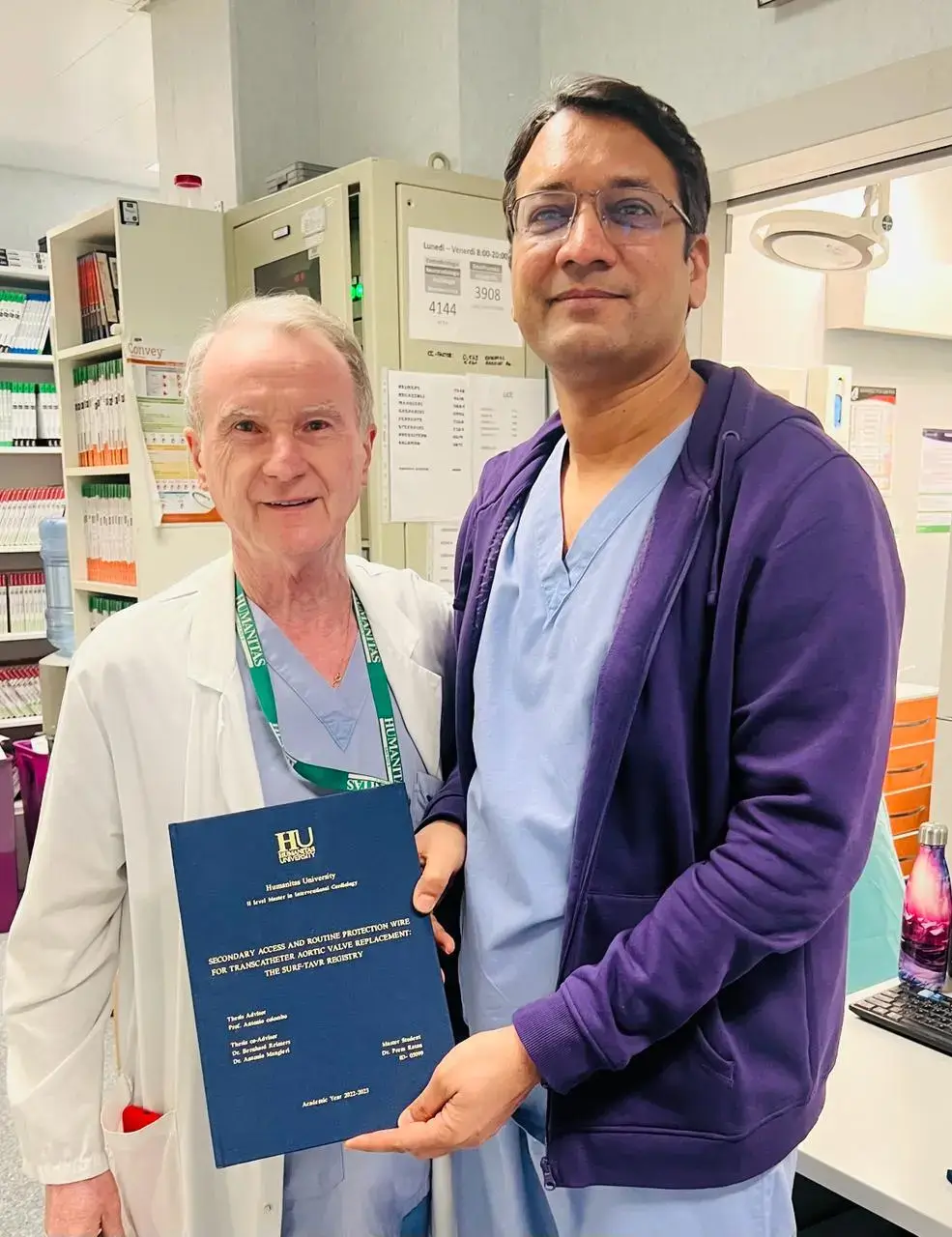

For consultation regarding coronary artery disease treatment options and cost estimates, contact Dr. Degwat’s clinic for a comprehensive evaluation.
Disclaimer: This information is for educational purposes only. Treatment costs vary based on individual patient conditions, hospital selection, and specific medical requirements. Always consult with qualified healthcare providers and obtain detailed written estimates before making treatment decisions.